
Wet Basements in Dyker Heights
Basement Waterproofing in Dyker Heights, Brooklyn
Leaks, damp walls and standing water in the basements of Dyker Heights houses, traced to the source and fixed with the method that fits your walls.
- Interior drainage, crack sealing and coatings
- Sump pumps and grading fixes
- Free inspection and a written price
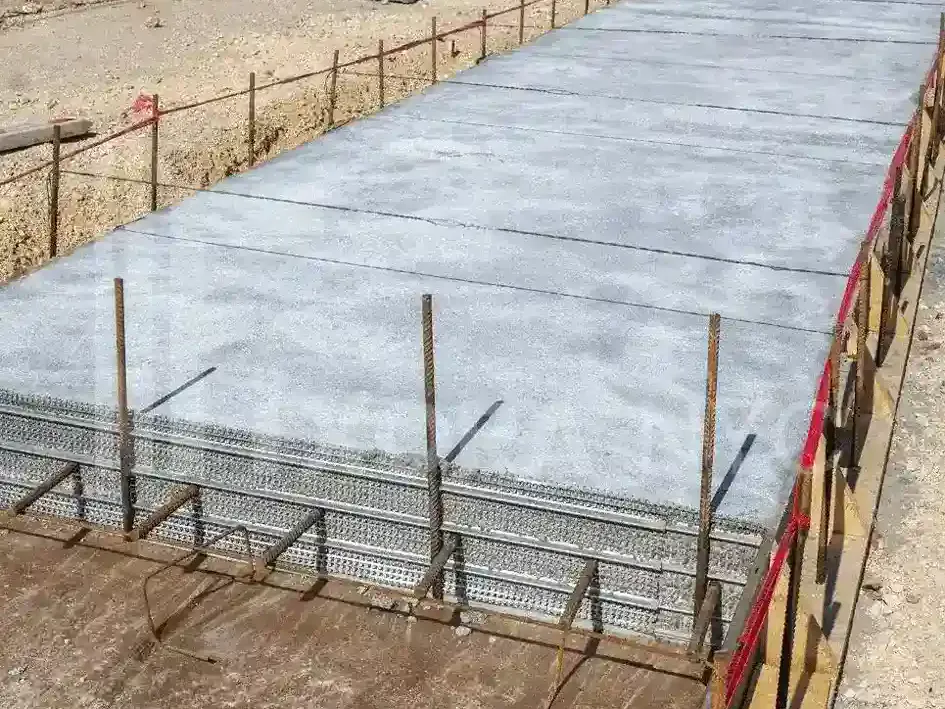
Water in Basements
Why Do Dyker Heights Basements Get Wet?
Water finds its way in through cracks in walls and floors, worn mortar joints, poorly graded soil and drains that back up in heavy rain. Dyker Heights is inland, so the main threats are groundwater pressure after storms and sewer backups when the system is overwhelmed.
Many houses here have full basements under large brick homes, and those basements are often used as living space, workshops or storage. A wet floor damages stored belongings and can lead to mold, which is why owners act quickly once they see it.
The area has no special flood exposure beyond sewer backups during heavy rain. That means the fix is usually about managing water around and under the house, not about tidal flooding.
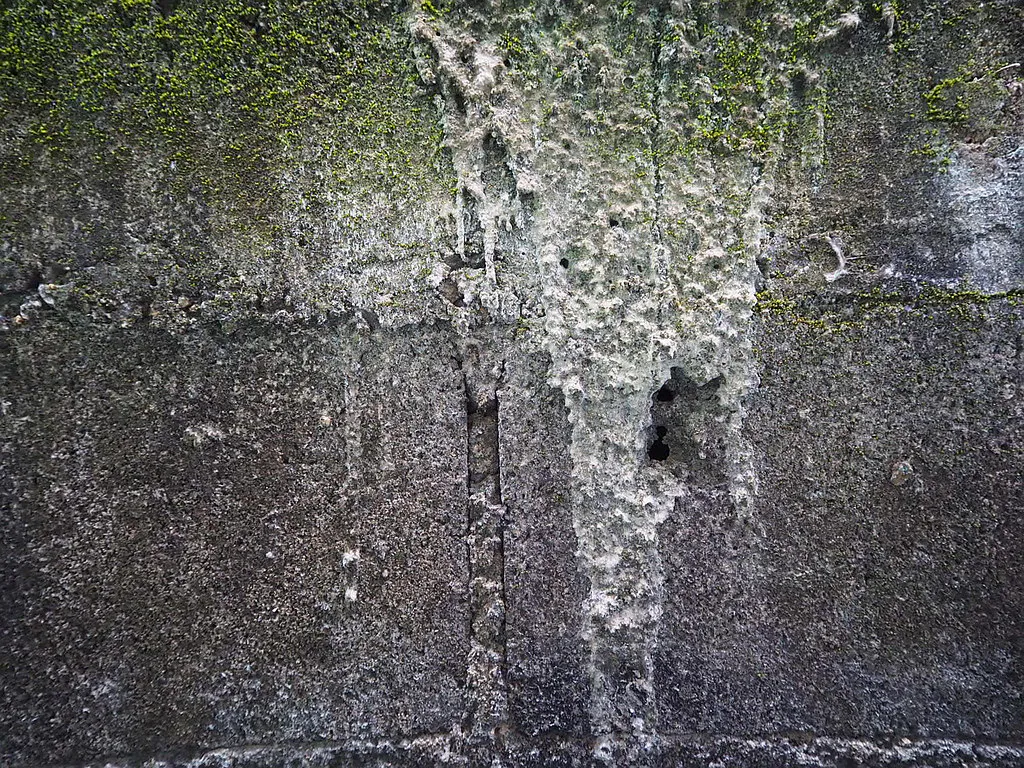
Where Is the Water Coming From?
It helps to find the source before choosing a fix. Water at the wall base points to a crack or grading. Water rising through the floor slab points to groundwater. Water from a floor drain points to the sewer. Each source needs a different method, so the inspection comes first.
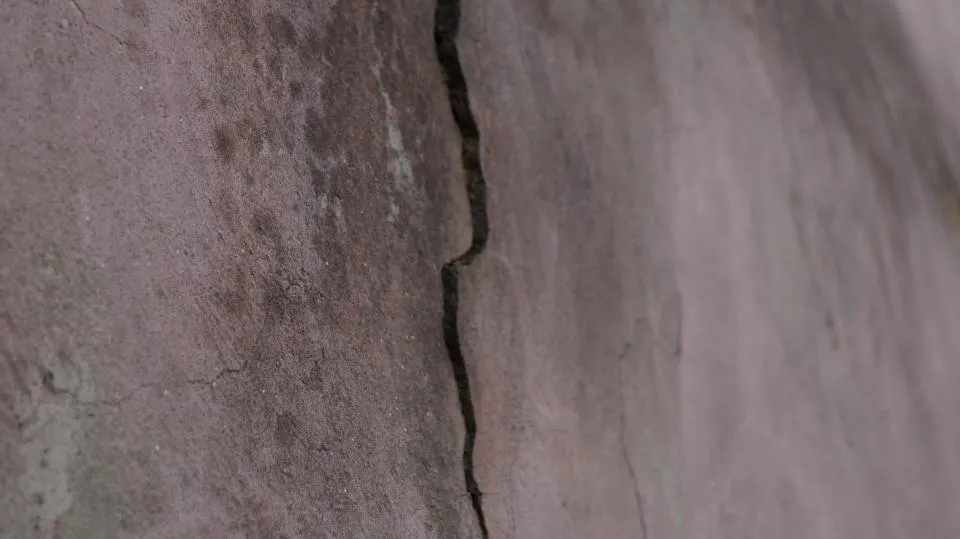
- Cracks in walls or the floor slab
- Open mortar joints below grade
- Downspouts that empty at the wall
- Soil sloping toward the house
- Window wells that fill with rain
- Floor drains that back up
Cracks and joints are the simplest sources. Grading and downspouts are cheap to fix compared with an interior system, and we always look at them first.
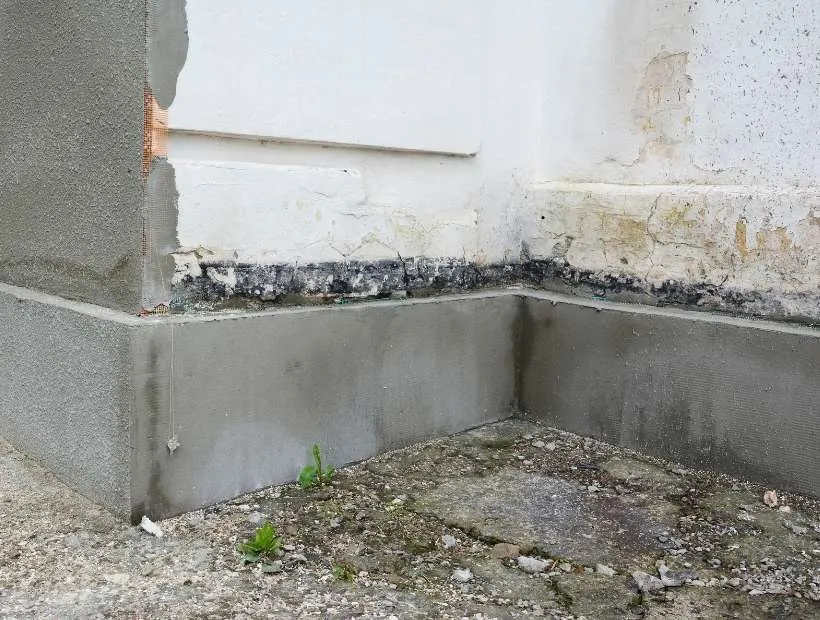
Which Waterproofing Method Fits My House?
Interior drainage collects water at the base of the wall and moves it to a sump pump. Crack injection and wall coatings seal specific leaks. Exterior membranes protect the wall from outside but require digging. Grading and gutter fixes reduce how much water arrives. Many houses combine two methods.
On a detached brick house with a deep lot, exterior work may be possible on several sides, but excavation adds cost. Interior drainage keeps the crew inside and does not disturb your yard, which makes it a common choice.
A sump pump only helps if there is a place to send the water and power to run it. We talk about backup options during the visit, since a storm can also cut power.
Sewer backups are a separate problem. If your basement floods through the drain, the answer may involve a backwater valve, and a licensed plumber should assess it. We tell you when the issue is beyond waterproofing.
Damp walls or a wet floor after rain? Get the source identified first.
Schedule a Site Visit Call Now
Do You Need Permits for Basement Waterproofing?
Interior drainage and sealing generally do not need building permits, but excavation, structural changes and some plumbing tie ins can. Work that touches the sidewalk needs a DOT permit. Confirm current rules with the city, and we will tell you what applies at the estimate.
Dyker Heights has no historic district that we can confirm, so landmark approval is not usually part of the picture here. If your house has a different situation, ask us before you begin.
What Can You Do This Week to Reduce Water?
Clean the gutters, extend downspouts several feet from the wall, and check that soil slopes away from the house. Clear window wells and keep basement drains open. These steps cost little and lower the amount of water that reaches your foundation.
Store valuables off the floor and away from exterior walls until the source is fixed. Watch for musty smells and white powder on walls, which often show up before you see actual water.
How Do You Know a Waterproofing Job Worked?
A dry basement after a hard rain is the real test. Before we leave, we check that the drain channels carry water to the pump, that the pump switches on and discharges outside, and that sealed cracks are dry. Then you watch the next storm and call us if anything looks wrong.
Waterproofing does not make a basement a finished living room by itself. Humidity, bare masonry and cold walls are separate matters. If you plan to finish the space, tell us early so the drain system leaves room for wall framing and flooring.
Sump pumps need occasional testing. Pour a bucket of water into the pit every few months to be sure the float rises and the pump runs. A pump that has sat idle for a dry season can fail when you need it most.
What Affects the Price
What Goes Into a Waterproofing Quote?
Size of the basement
More wall and floor length means more drain or coating.
Interior or exterior
Exterior work needs excavation around the house.
Pumps and drains
Sump pits, pumps and discharge lines add to the scope.
Access
Finished basements and tight stairs slow the work.
Job Steps
From Wet Floor to Dry Basement
Inspection
We trace the water to its source and explain your options.
Plan
You get a written price and a clear scope.
Install
Drains, seals, coatings or pumps go in.
Test
We check that water drains and the pump runs as intended.
Nearby
Basement Waterproofing Near Dyker Heights
We waterproof basements in the neighborhoods around Dyker Heights too.
FAQ
Dyker Heights Waterproofing Questions
Not always. It depends where the water comes from. If groundwater collects under the slab, a pump is usually part of the solution.
It removes the moisture that mold needs. Existing mold has to be cleaned or removed by a qualified party.
That points to sewer backups or groundwater peaks. We inspect drains, walls and floors, and may suggest a pump or a backwater valve from a plumber.
Yes. Interior drainage and sealing are common because they avoid digging up your yard.
Yes. Call (718) 468-8803 for a free inspection and a written price.
Contact
Book a Dyker Heights Basement Inspection
Tell us where the water shows up and when. Photos of walls and floors help.
- Call us(718) 468-8803
- HoursMon to Sat, 9:00 AM to 6:00 PM
- Free on site estimate with a written price
- Licensed and insured, 25+ years in business
- We handle DOT sidewalk permits
- Serving Manhattan, Brooklyn, Queens and the Bronx
Get Your Free Estimate
Takes about a minute. No cost and no obligation.