
Yards, Patios and Slabs
Concrete Replacement in New York City
Sunken patios, cracked rear yards and broken basement floors taken out and poured new on a base that is built to last, with the water sent away from your house.
- Yards, walkways, areaways and basement slabs
- Base prep and drainage fixed before the pour
- Free site visit and a written price
What We Replace
What Concrete Can We Replace on Your Property?
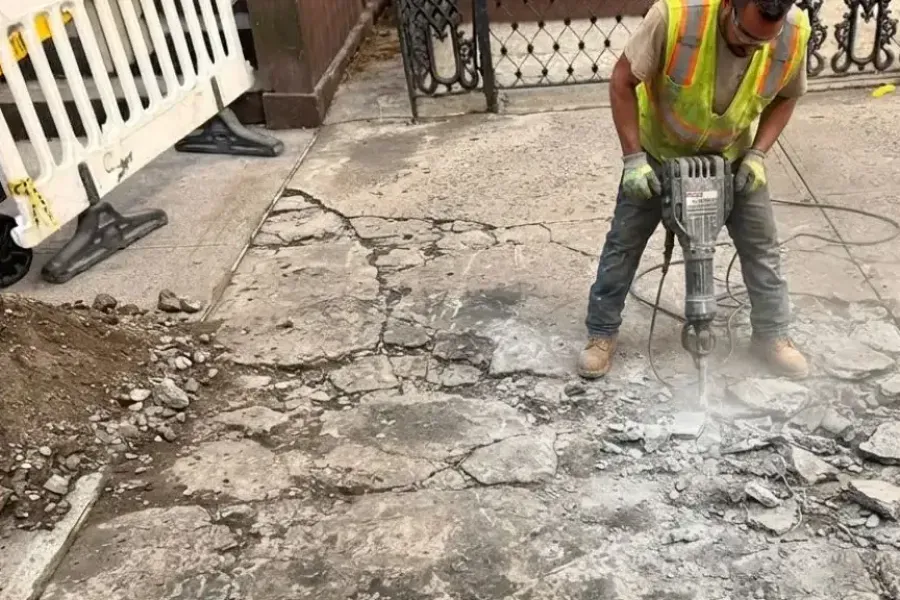
We replace concrete on private property all over the city: rear yards, side yards, patios, front walkways, areaways, slabs poured along the foundation, basement floors and garage floors. The job means breaking out the old slab, hauling it away, fixing the ground underneath and pouring new concrete with the right pitch.
- Rear yards and side yards
- Patios and garden slabs
- Front and side walkways
- Areaways in front of row houses
- Slabs running along the house
- Basement floor slabs
- Garage floors
- Pads for sheds, bins and equipment
The public sidewalk in front of your building is its own job with its own permit. Our sidewalk repair team handles that part, often on the same visit.
When Should You Replace Concrete Instead of Repairing It?
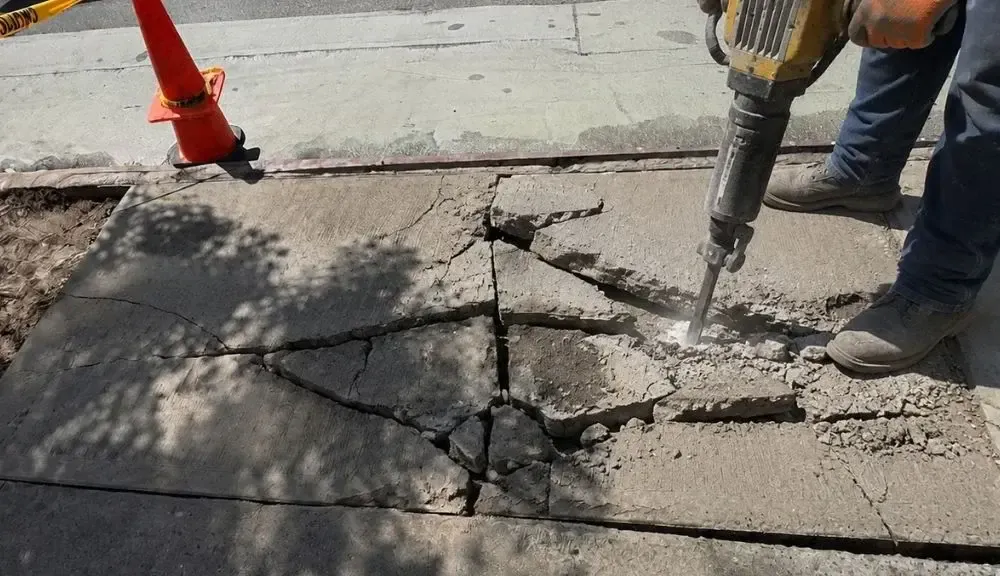
Replace the slab when it has sunk, tilted toward the house, broken into loose pieces, or sits on a base that has washed out. Repair only makes sense when the damage is shallow and the slab is still flat and solid. A patch on a moving slab usually cracks again by the next spring.
A skim coat over a tired patio looks fine for a season. Then water gets under the thin layer, freezes, and the surface peels off in sheets.
| What you see | What usually makes sense |
|---|---|
| Fine surface cracks on a flat, solid slab | Leave it or seal the cracks |
| One broken section in an otherwise sound yard | Saw cut and replace that section only |
| Slab sloping toward the house wall | Replace with the pitch turned away from the building |
| Hollow sound, sinking or open gaps underneath | Remove, rebuild the base, pour new |
| Many pieces, old patches on patches | Full replacement of the area |
| Basement floor heaving or wet through cracks | Replace the slab and deal with the water source |
Why Do Yards, Patios and Slabs Fail in NYC?
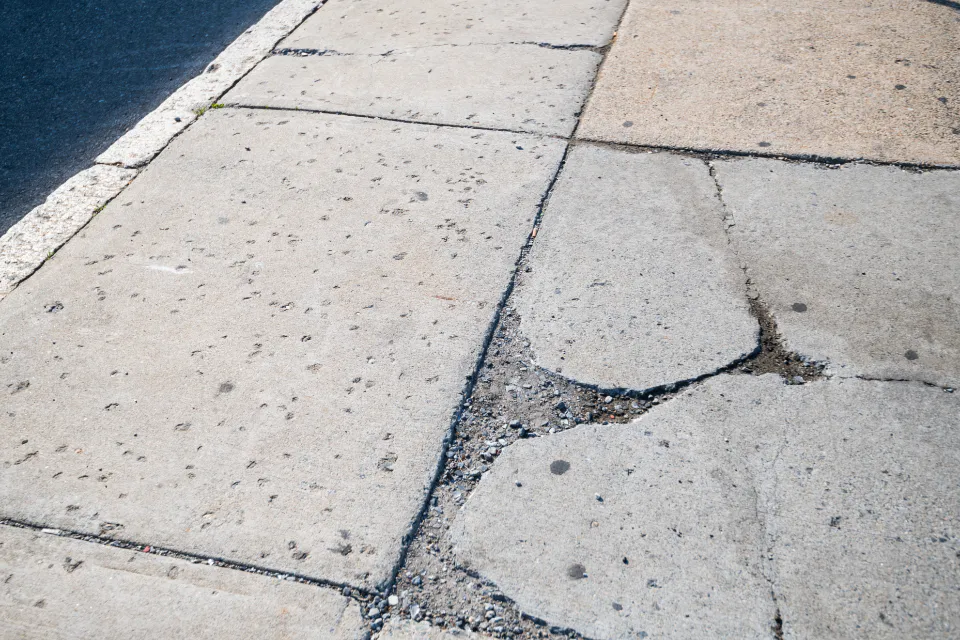
Most failed slabs we see come down to what is under them, not the concrete itself. Soft fill soil settles, water washes out the base, and freeze and thaw cycles lift and drop the slab each winter. Age plays a part too. Many yards in the city were poured decades ago on little more than dirt.
Settling fill and a thin base
Many city lots have loose fill under the yard. A yard poured straight onto it drops a little every year until the slab cracks across the middle and one side sinks.
Water with nowhere to go
Rain from the roof lands on the yard through the downspout. If the slab is flat or tipped the wrong way, that water sits against the foundation wall or finds a crack and runs under the concrete, carrying soil with it.
Freeze and thaw
Water trapped in cracks and in the soil below freezes, expands and pushes the concrete up. When it thaws, the slab settles back in a slightly different spot. After enough winters the pieces no longer line up.
Roots, pipes and old repairs
Yard tree roots lift patios, and a cracked drain line under a slab can wash out the soil around it.
Seeing a slab that rocks, sinks or holds a puddle against the house? Have it checked before the next winter.
Get a Free Estimate Call Now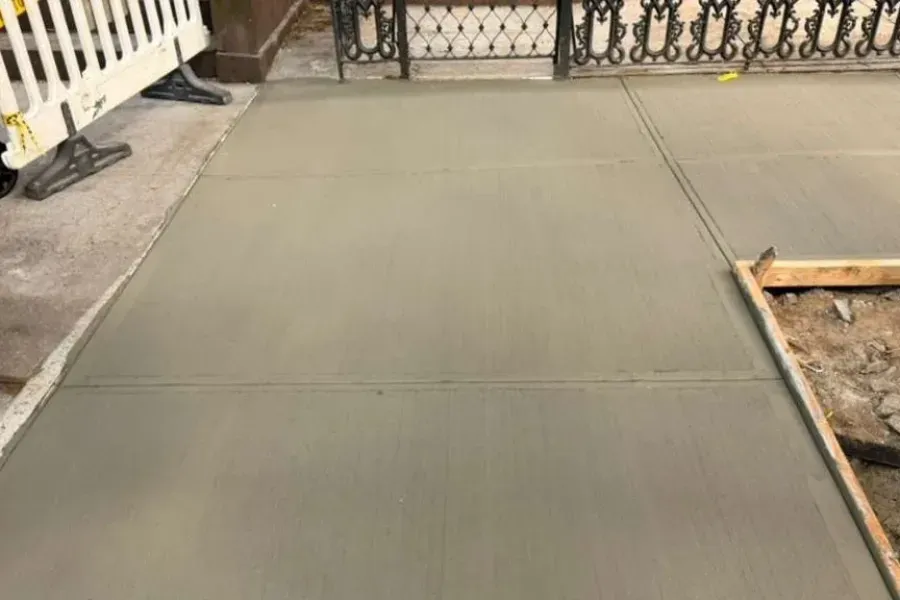
How Do Drainage and Base Prep Make a New Slab Last?
A new slab lasts when the ground under it is firm and the surface sheds water away from the building. That means digging out soft soil, putting down and compacting a stone base, adding reinforcement where the slab needs it, and setting the forms so every part of the pour pitches toward a drain or the yard.
What goes into the base
- Excavation. Loose fill, organic soil and broken pieces come out until we reach firm ground.
- Stone base. Crushed stone goes down in layers and is compacted so the slab has even support.
- Reinforcement. Wire mesh or bar is added where the size of the slab, the soil or the load calls for it.
- Joints. Control joints give the concrete a place to crack neatly, and an isolation joint keeps the slab from locking against the house wall.
Sending water the right way
Before we pour, we look at where the water goes today. A yard that drains into the basement needs the pitch reversed. A low corner may need a yard drain tied into the existing drain line. Downspouts that dump onto the slab can be extended or redirected.
Drain lines and sewer connections can bring in a plumber and, in some cases, permit requirements. We tell you up front when the drainage work goes beyond the concrete. If water is already coming through the basement walls, our basement leak and waterproofing work may belong in the same plan.
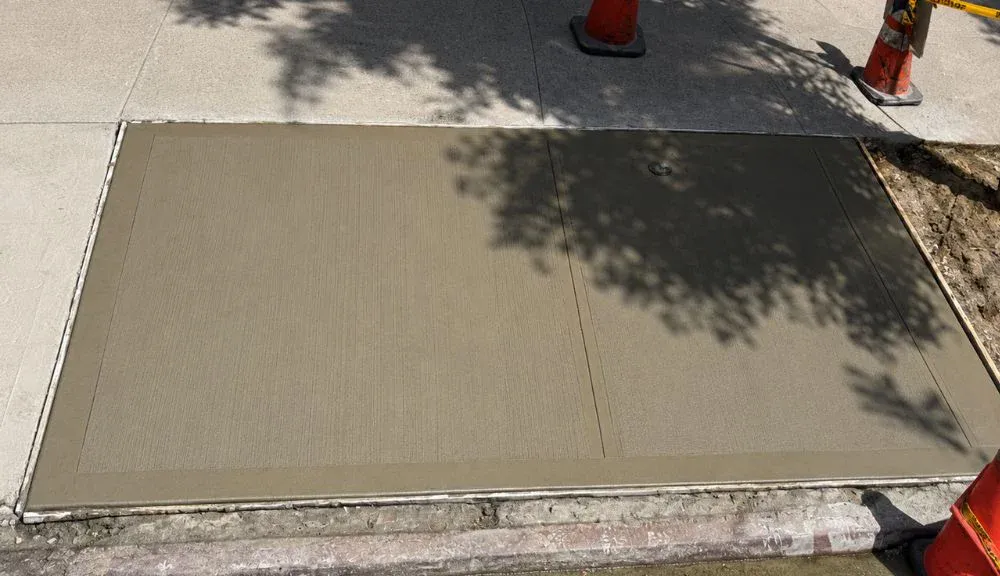
Yard Draining Toward the House?
Send a photo of the slab and where the water sits. We will visit, check the pitch and give you a written price.
Pricing
What Affects the Cost of Concrete Replacement in NYC?
Concrete replacement cost depends on the size of the area, how thick and how much concrete has to come out, how far debris has to be carried, how much base work the soil needs, whether reinforcement or drains are added, and how the crew gets materials in. We price each job after seeing it, not over the phone.
Area and thickness
More square feet and heavier old slabs mean more removal, concrete and labor.
Demolition and hauling
Breaking out, loading and carting old concrete off site is a large share of the work.
Base preparation
Soft fill that has to be dug out and replaced with compacted stone adds time and material.
Reinforcement
Mesh or bar for larger slabs, garage floors and poor soil is part of the scope.
Drainage fixes
Reversing the pitch, adding a yard drain or moving a downspout changes the job.
Access
No alley or side gate means carrying everything through the house or basement by hand.
Your concrete price: in writing after a free look at the site, with every item listed.
Schedule a Site VisitCan You Replace a Basement or Garage Floor?
Yes. Basement and garage slabs come out and go back the same way as a yard, only indoors. The crew protects the rest of the house, breaks out the old floor, carries it out, fixes the base and pours a new slab. Floor drains, columns and the edges along the walls all need care.
Basement floors
Old basement floors crack, heave or go soft where water has been getting under them. Before replacing one, we look for why. A floor that keeps getting wet from below may need drainage under the new slab or a sump, and a slab alone will not stop wet walls.
Anything that touches the footings, the foundation walls or the building structure is a different job. It can need a licensed engineer and a Department of Buildings permit. If we see cracks in the walls or signs of settlement, we point you to foundation crack repair before we pour.
Garage floors
A garage slab carries the weight of a car every day, so thickness, base and reinforcement matter more than on a patio. The slab should pitch toward the door or a drain so melting snow and rain run out rather than toward the house. When the driveway outside is failing too, we can plan both together through our driveway and apron repair service.
Do You Need a Permit to Replace Yard or Areaway Concrete?
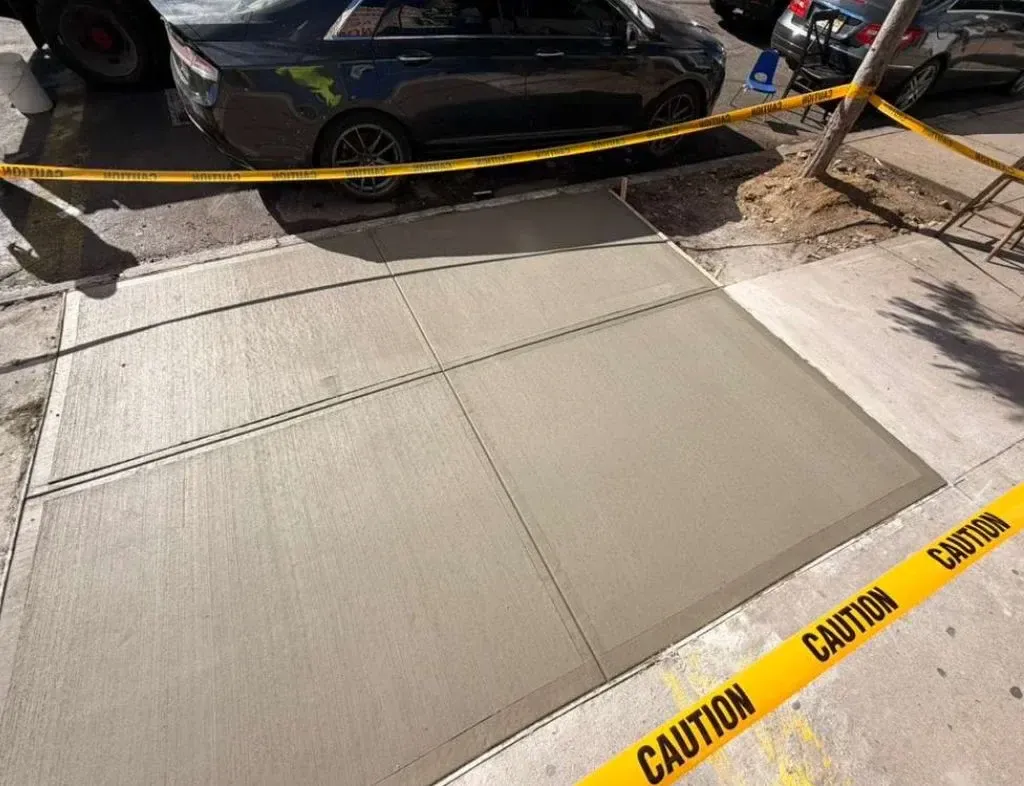
Often not for a simple yard or patio slab on private property, but it depends on the work. Jobs that touch the public sidewalk generally need a DOT permit. Structural, plumbing or drainage changes can bring in the Department of Buildings. Areaways on landmarked blocks may need Landmarks Preservation Commission approval first.
- Areaways and front yards. The small paved area between a row house and the sidewalk is part of the streetscape. In historic districts, changes to areaways, their paving and their railings can need LPC review.
- Work that meets the sidewalk. When a walkway or areaway runs into the public flags, the sidewalk side falls under DOT rules. If DOT has already written up those flags, our plain guide on clearing a sidewalk violation explains the steps.
- Drains, footings and structure. New drain connections or work near the foundation can need DOB filings and licensed trades.
DOB permits are handled on our side when a job needs one, and we file the DOT permit for the sidewalk work we do. Rules change, so confirm current requirements with the city or 311 before any work starts.
How It Runs
How Does a Concrete Replacement Job Work?
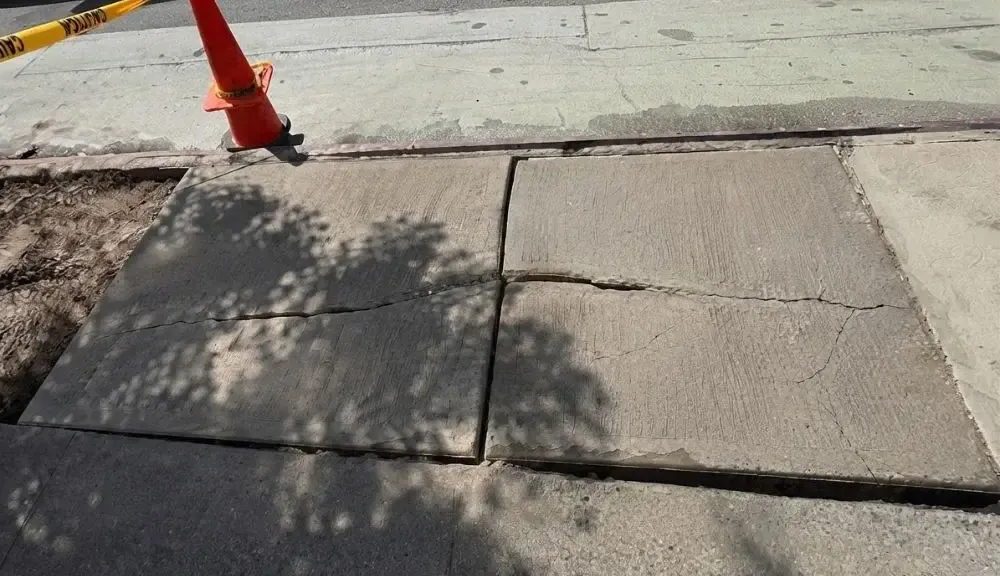
Every job starts with a visit to measure the area, check the pitch and see how the crew will get in. You get a written scope and price. Then we protect the property, break out and haul the old slab, rebuild the base, set the forms and drainage, pour and finish the new concrete, and let it cure.
Visit and measure
We measure the slab, check where water runs and look at the path in and out of the site.
Written scope
You get a price that lists removal, base work, drainage and the new pour. Nothing starts before you approve it.
Protect and break out
Floors, doors and plantings along the route are covered. The old concrete is broken up and carted away.
Base and drainage
Soft soil comes out, stone goes in and is compacted, and drains or pitch corrections are set.
Form, pour and finish
Forms and reinforcement go in, the concrete is placed, finished and jointed with the pitch built in.
Cure and clean up
The slab is kept protected while it cures. We tell you when it can take foot traffic and when it can take more.
Why Owners Call Us
A Licensed Concrete Contractor With 25+ Years in NYC
Service Areas
Where Do We Replace Concrete in NYC?
Our crews replace concrete across Manhattan, Brooklyn, Queens and the Bronx. The work changes with the housing: rear yards behind row houses, patios and walkways at detached homes, areaways on brownstone blocks. Each borough page below covers what we see there. Owners with more than one property can start at our citywide concrete replacement page.
More Services
Work That Often Goes With New Concrete
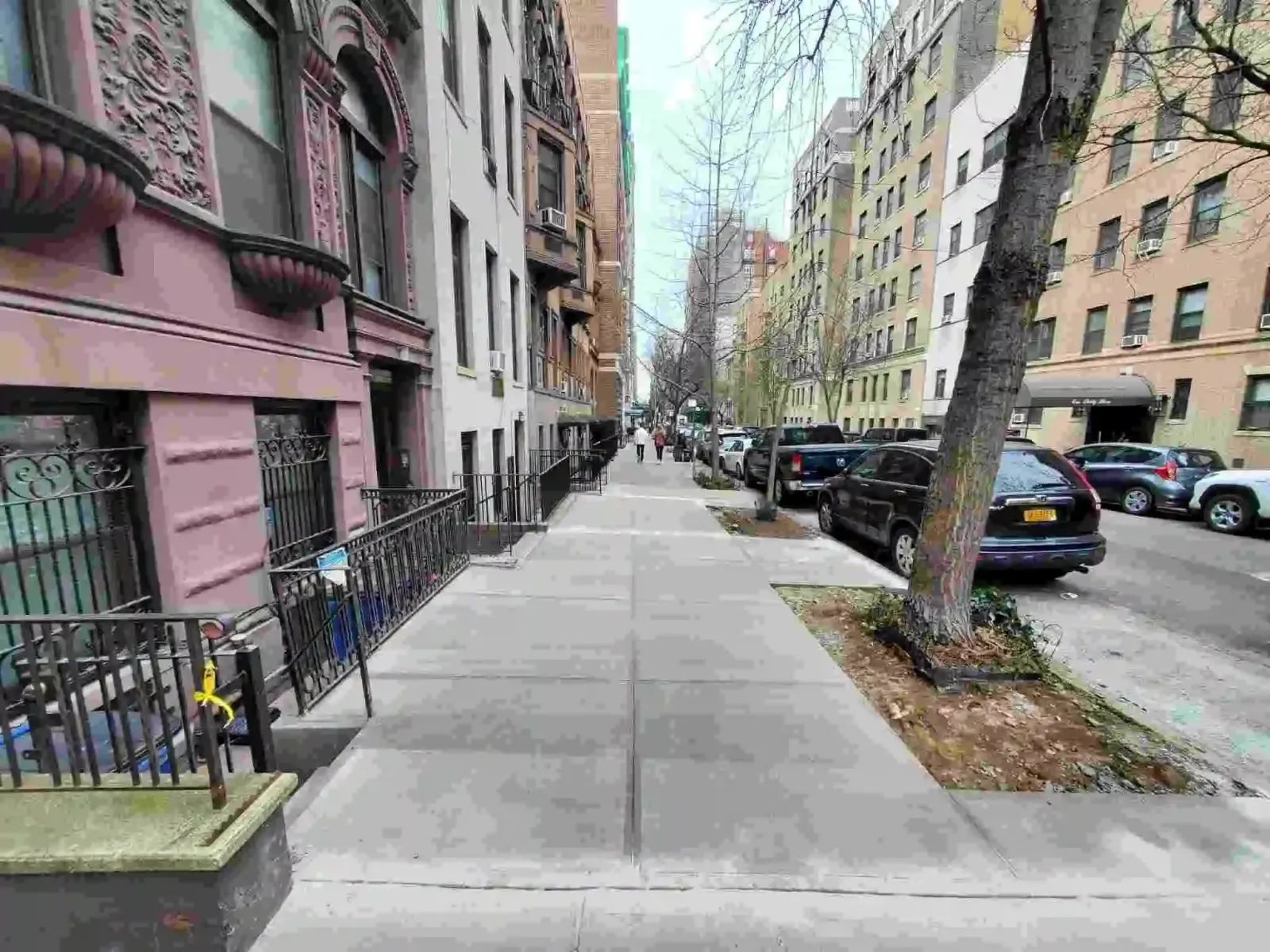
Sidewalk Repair
Cracked, raised and trip hazard flags replaced, including sidewalk violation repairs.
Learn More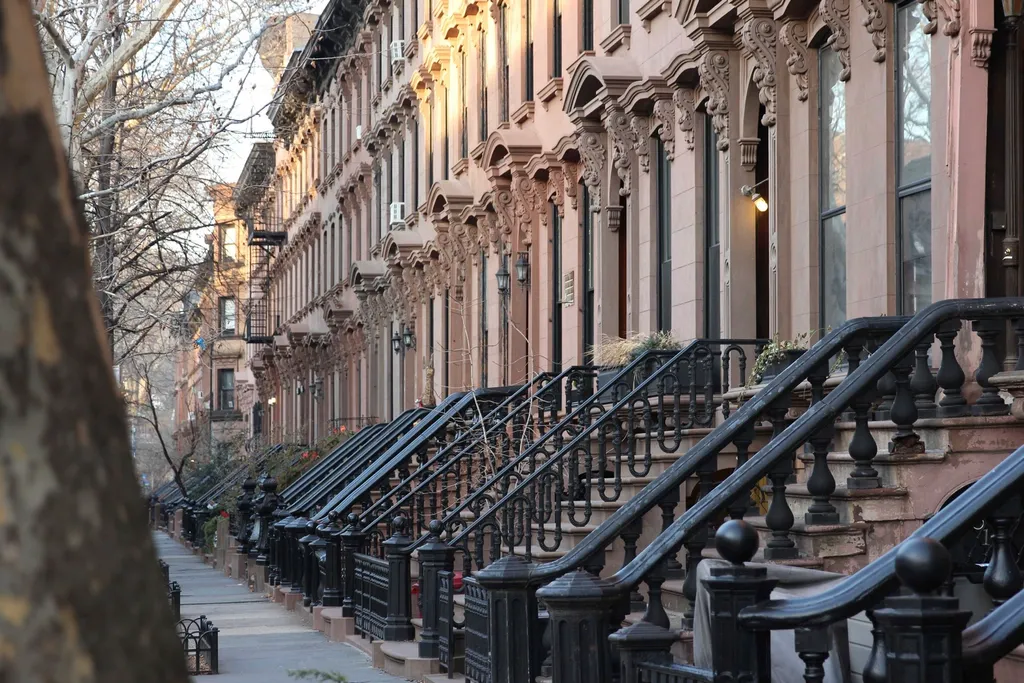
Steps Repair
Loose treads, crumbling stoops and unsafe entry steps rebuilt in concrete, brick or stone.
Learn More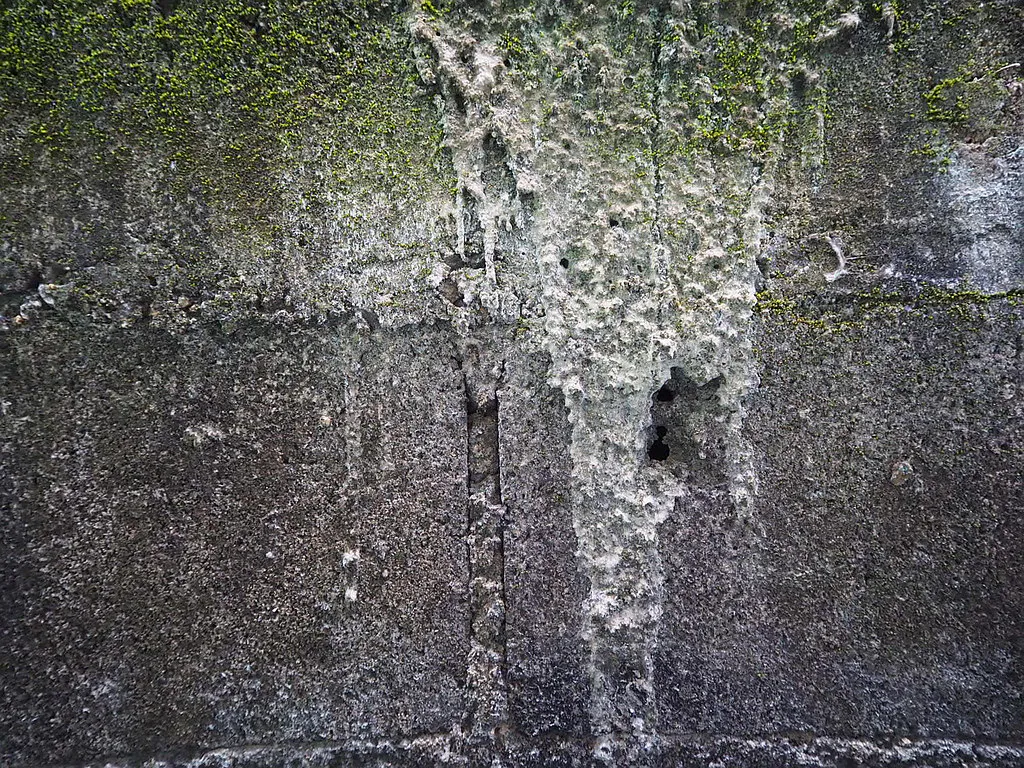
Basement Waterproofing
Leaks, seepage and damp basements fixed from inside or outside, based on where water gets in.
Learn MoreFAQ
Concrete Replacement Questions
Pouring over an old slab raises the height, can trap water against the house and copies every crack below it. On most NYC patios we break out the old concrete and start from a proper base. If the old slab is flat and sound, we will tell you whether an overlay is reasonable.
Many row houses have no side access, so the crew carries materials through the house or the basement. We cover floors and doorways along the route. Access is part of your written price, so there are no surprises.
Turning the pitch away from the house and adding a drain where needed takes a lot of water off the foundation. It does not fix water that comes up from below or through cracked walls. Those problems need their own plan.
New concrete needs time to cure before foot traffic and longer before furniture, grills or cars. The right wait depends on the weather and the mix. We tell you when each step is safe before we leave.
Yes. Areaway slabs often pitch toward the building or have failed around the drain. On landmarked blocks, the paving and railings can need LPC approval, so check with the Commission before planning changes to the look.
Yes. We replace yard and private slabs and the public sidewalk in Manhattan, Brooklyn, Queens and the Bronx. Doing both on one visit saves a second setup. We do not serve Staten Island.
Often, yes. We saw cut along a joint and replace the failed section when the rest of the slab is solid and at the right height. If the surrounding concrete is also failing, a full replacement usually lasts longer.
Free on site estimate
Get Your Concrete Replaced Right
Tell us about the yard, patio or floor and send a photo if you have one. We will set up a free visit and put the price in writing.
Contact
Request a Concrete Replacement Estimate
Give us the address and a quick description of the slab. A photo showing where water sits helps us plan the visit.
- Call us(718) 468-8803
- HoursMon to Sat, 9:00 AM to 6:00 PM
- Free on site estimate with a written price
- Licensed and insured, 25+ years in business
- We handle DOT sidewalk permits
- Serving Manhattan, Brooklyn, Queens and the Bronx
Get Your Free Estimate
Takes about a minute. No cost and no obligation.