
Stoops and Front Steps
Stoop and Steps Repair in New York City
Crumbling brownstone treads, cracked concrete risers, loose brick and wobbly railings repaired or rebuilt so the way into your home is safe again.
- Brownstone, limestone, brick and concrete steps
- Railing posts reset in solid material
- Free site visit and a written price
Is Your Stoop Still Safe to Use?
A stoop needs attention when a tread rocks or tips under your foot, a nosing has broken off, risers are different heights, stone is flaking in layers, or a railing moves when you lean on it. Each of these can cause a fall. Loose pieces should be taken out of use until they are fixed.
Steps get used every day, often in the dark, in the rain or with bags in both hands. A missing edge on one tread is enough to catch a heel. Uneven risers are worse than they look, because people stop watching their feet after the first two steps.
Warning signs to look for
- A tread that moves, sounds hollow or has open joints around it
- Broken or rounded front edges on treads
- Brownstone peeling off in sheets or crumbling to sand
- Cracks running through risers or the side walls of the stoop
- Rust stains around railing posts, or stone cracked where a post goes in
- Water that sits on treads instead of running off
If a tread or rail is loose right now, block it off and give us a call at (718) 468-8803. A temporary fix is better than waiting for someone to get hurt.
Materials We Work With
What Kinds of Steps and Stoops Do We Repair?
We repair and rebuild front steps and stoops in the four materials found across the city: brownstone, limestone, brick and concrete. That includes high stoops on row houses, short entry steps at detached homes, side and rear steps, and the railings on all of them. The fix depends on the material and how far the damage goes.
Brownstone stoops
Brownstone is a soft sandstone. Once water gets in, the face flakes off in layers. Repairs usually mean cutting back loose stone and building it up again with a tinted repair mortar matched to the color, or replacing pieces that are too far gone.
Limestone steps
Limestone treads are harder, but they crack, chip at the nosing and settle out of level. Broken pieces can be patched, have a new piece set in, or be replaced with matching stone.
Brick steps
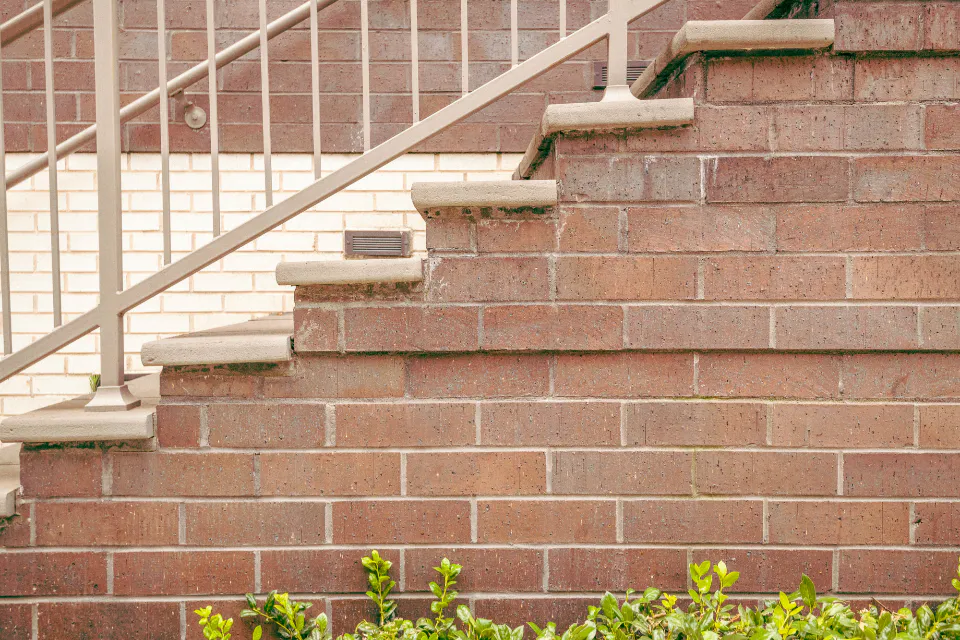
Brick steps fail at the joints first. Water gets in, bricks loosen and caps shift. Small areas can be relaid, and steps with a failed base need to be rebuilt.
Concrete steps
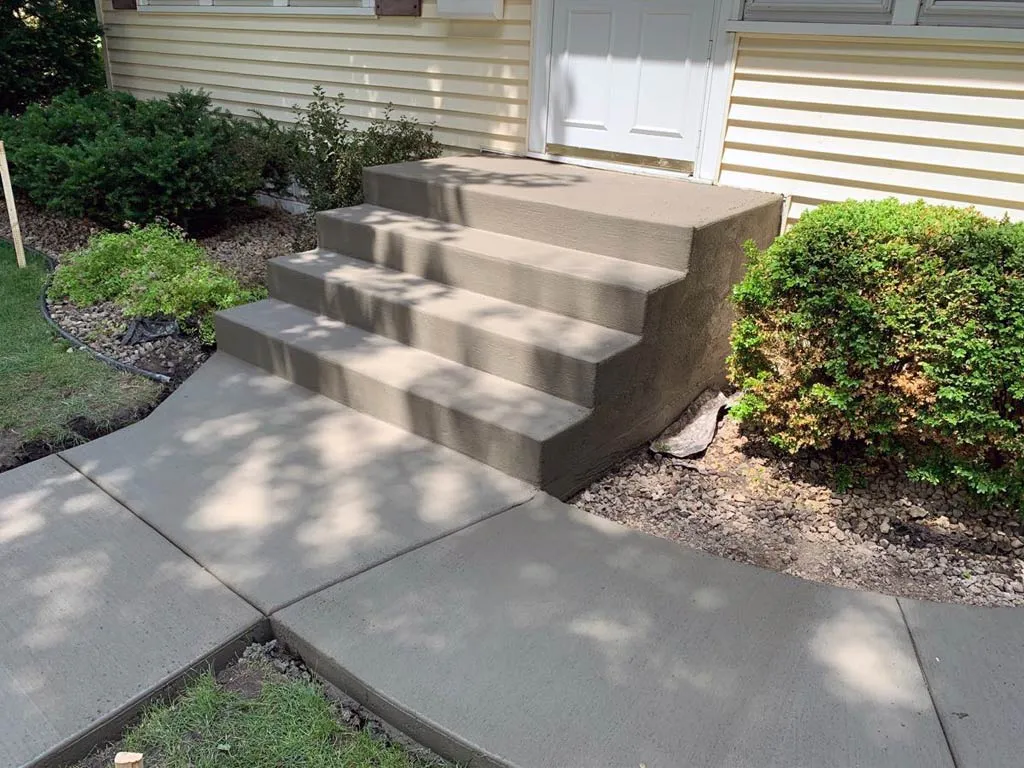
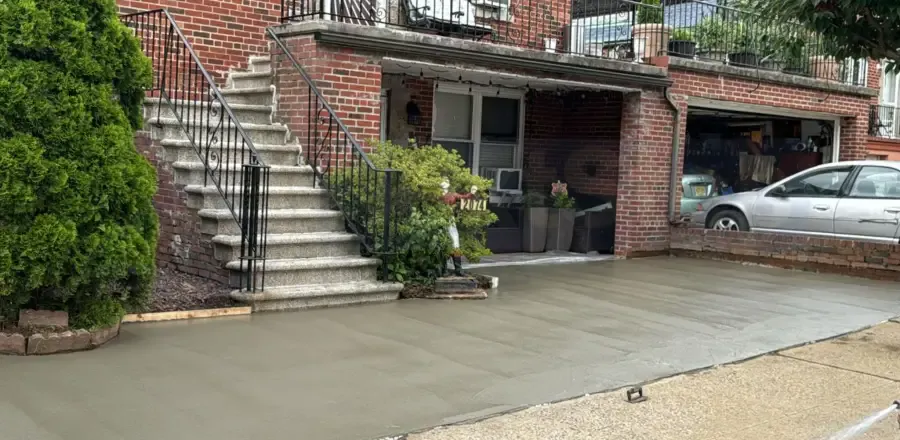
Concrete steps at many homes in Queens and the Bronx spall at the edges and crack where they meet the house. Thin toppings rarely hold. Replacing the damaged steps on a solid base lasts much longer.
Why Do Stoops and Front Steps Break Down?
Water does most of the damage. It soaks into open joints and porous stone, freezes in winter and pushes pieces apart. Rusting steel railing posts swell inside the stone and crack it. De-icing salt eats at concrete and brownstone faces. Old repairs with the wrong mortar often speed all of this up.
Open joints and freeze and thaw
Every step has joints between treads, risers and side walls. When the mortar wears out, rain runs straight into the core of the stoop. Each freeze then lifts the tread a little more.
Rusting railing posts
Most older railings sit in holes drilled into the stone or concrete. Water collects around the post, and the steel rusts. Rust takes up more room than steel, so it splits the stone from the inside. The crack around a post is often the first sign.
Salt
Salt keeps steps clear of ice, but it also pulls water into concrete and stone and breaks down the surface. Brownstone and older concrete show it first. A de-icer that is gentler on masonry helps, and a clean shovel helps more.
Hard patches on soft stone
A hard cement patch on a brownstone tread holds water behind it. The stone around the patch then fails faster than before. Matching the repair to the material matters as much as the repair itself.
Treads Loose or Railings Wobbling?
Send us a photo of the steps and your address. We will visit, check every tread and rail post, and price the repair in writing.
Should You Repair or Rebuild Your Steps?
Repair works when the stoop is solid and the damage is on the surface or limited to a few treads. Rebuild when treads move, the side walls are cracking, the steps have settled out of level, or water has already reached the core. A rebuild is bigger, but it fixes the base, drainage and riser heights.
| What you see | What usually makes sense |
|---|---|
| Chipped nosing on one or two treads | Repair the edges in matching material |
| Brownstone flaking on the face of risers | Cut back loose stone and rebuild with tinted repair mortar |
| A loose or rocking tread | Lift, reset on fresh mortar and repoint the joints |
| Cracked stone around a railing post | Remove the post, repair the stone, reset the post |
| Steps pulling away from the house | Assess the base, then rebuild the affected section |
| Most treads cracked, uneven risers | Rebuild the stoop with even steps |
On many stoops the right answer is somewhere in between: reset two treads, repair three nosings and repoint the rest. We walk you through each option on site, with what it fixes and what it leaves alone.
How Do You Fix a Loose Railing on a Stoop?
A railing is only as strong as the spot where its posts go into the steps. To fix a loose one, we take the post out, cut away rusted steel and cracked stone or concrete, repair the socket, and set the post back in a material that does not trap water. Badly rusted posts are cut down or replaced.
Pouring a little cement around a wobbly post is the usual quick fix. It holds for a while, but it seals water in against the steel and the rust starts over. The same crack comes back, a bit wider each time.
- Rusted base of the post. The rotten part is cut off and new steel is joined on, or the post is replaced.
- Cracked stone at the socket. The stone is repaired or a new piece is set before the post goes back.
- Railing pulling off the house wall. The wall anchor is reset into sound brick or stone.
Decorative iron on older row houses can often be saved. When a railing needs new parts made, that is a job for an ironworker, and we tell you so. On landmarked blocks, the railing design itself may need approval before it changes.
Railing moves when you lean on it? Have the posts checked before winter.
Book an Inspection Call Now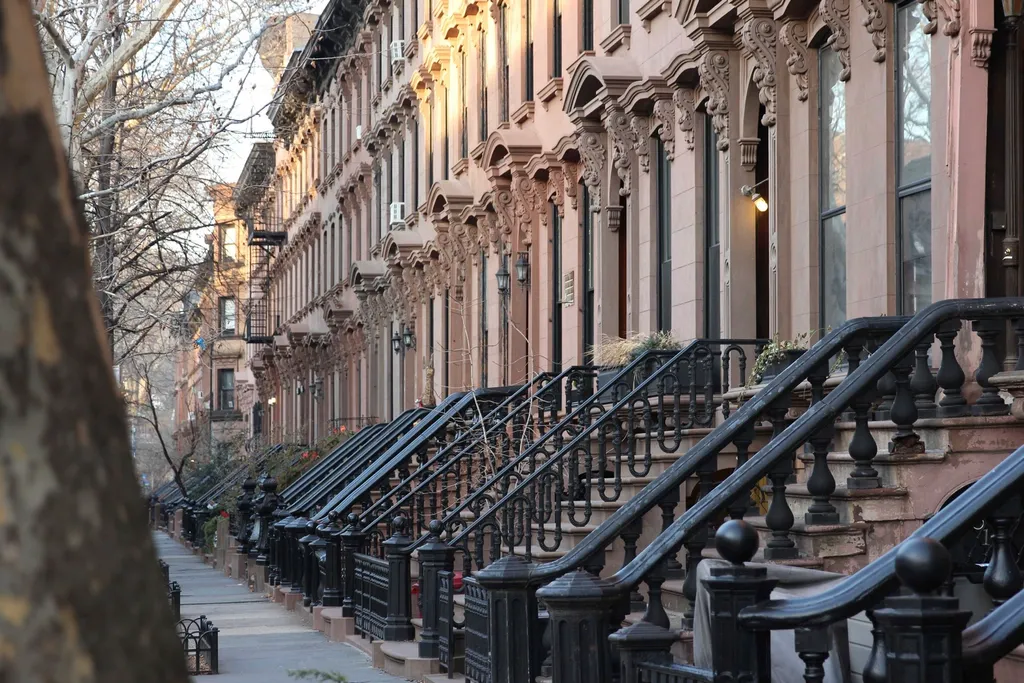
Do You Need Landmarks Approval to Repair a Stoop?
It depends on where the building is and what the work changes. In historic districts and on individual landmarks, work on stoops, railings and areaways can need approval from the Landmarks Preservation Commission before it starts. Like for like repairs are often simpler to approve than changes in material, shape or color.
Many brownstone and limestone row houses in Brooklyn and Manhattan sit in historic districts. If yours does, the choice of stone, repair mortar color and railing design can all be part of the review. Replacing a brownstone stoop with plain concrete, for example, is the kind of change that draws a close look.
Other rules can apply too. Rebuilding a stoop to a new size or layout can need a Department of Buildings permit, and stoops that reach into the sidewalk area bring in other city rules. We handle DOB permits when a job needs one.
Check whether your building is landmarked before you plan the work, and confirm current requirements with LPC, DOB or 311. Approval rules change, and they differ from district to district.
Step by Step
How Does a Stoop Repair Job Work?
A steps job starts with a close look at every tread, riser, side wall and railing post. You get a written scope and price. Any approvals are sorted out first. Then the crew removes loose material, repairs or rebuilds the steps in matching material, resets the railings and keeps the steps protected while the repairs set.
Inspection
We check each tread, riser, joint and railing post, and note the material and any landmark status.
Written scope
You get a price and a plain list of what gets repaired, reset or rebuilt.
Approvals
Where the work needs a DOB permit, we file it. We flag work that may need LPC review.
Repair or rebuild
Loose material comes out. Treads, risers and walls are rebuilt in matching stone, brick or concrete.
Rails and finish
Railing posts are reset, joints are pointed and the steps stay protected while they set.
Pricing
What Affects the Cost of Steps Repair in NYC?
The cost of steps repair depends on how many steps need work, the material, whether railings have to be reset or repaired, how much of the stoop has to be rebuilt, and whether the building needs landmark approval. A brownstone stoop repair and a set of concrete steps at a detached home are very different jobs.
Number of steps
A three step entry and a full high stoop with landings are priced very differently.
Material
Concrete, brick, brownstone and limestone each take different skills and repair materials.
Railings
Resetting posts, cutting out rust and new iron parts all add to the scope.
Repair or rebuild
Fixing edges costs less than lifting treads and rebuilding the core.
Landmark approval
Matching original materials and design for LPC review can shape the whole job.
Condition underneath
Water damage inside the stoop sometimes shows up only once treads come up.
Your stoop price: written after a free visit, tread by tread.
Request Your QuoteService Areas
Where Do We Repair Stoops and Steps?
Our crews repair steps in Brooklyn, Manhattan, Queens and the Bronx. Brownstone and limestone stoops line many row house blocks in Brooklyn and Manhattan, while concrete and brick entry steps are more common at homes in Queens and the Bronx. Choose your borough below, or start from our citywide stoop and step repair page.
Why Us
Why Owners Trust Us With Their Stoops
Matched to the material
Brownstone gets soft repair mortar, not hard cement. Brick, limestone and concrete each get the right fix.
25+ years in NYC
More than 25 years of concrete and masonry work on NYC homes and buildings.
Licensed and insured
Construction, injury and workers compensation insurance on every job.
Related Services
Work That Pairs Well With Steps Repair
Sidewalk Repair
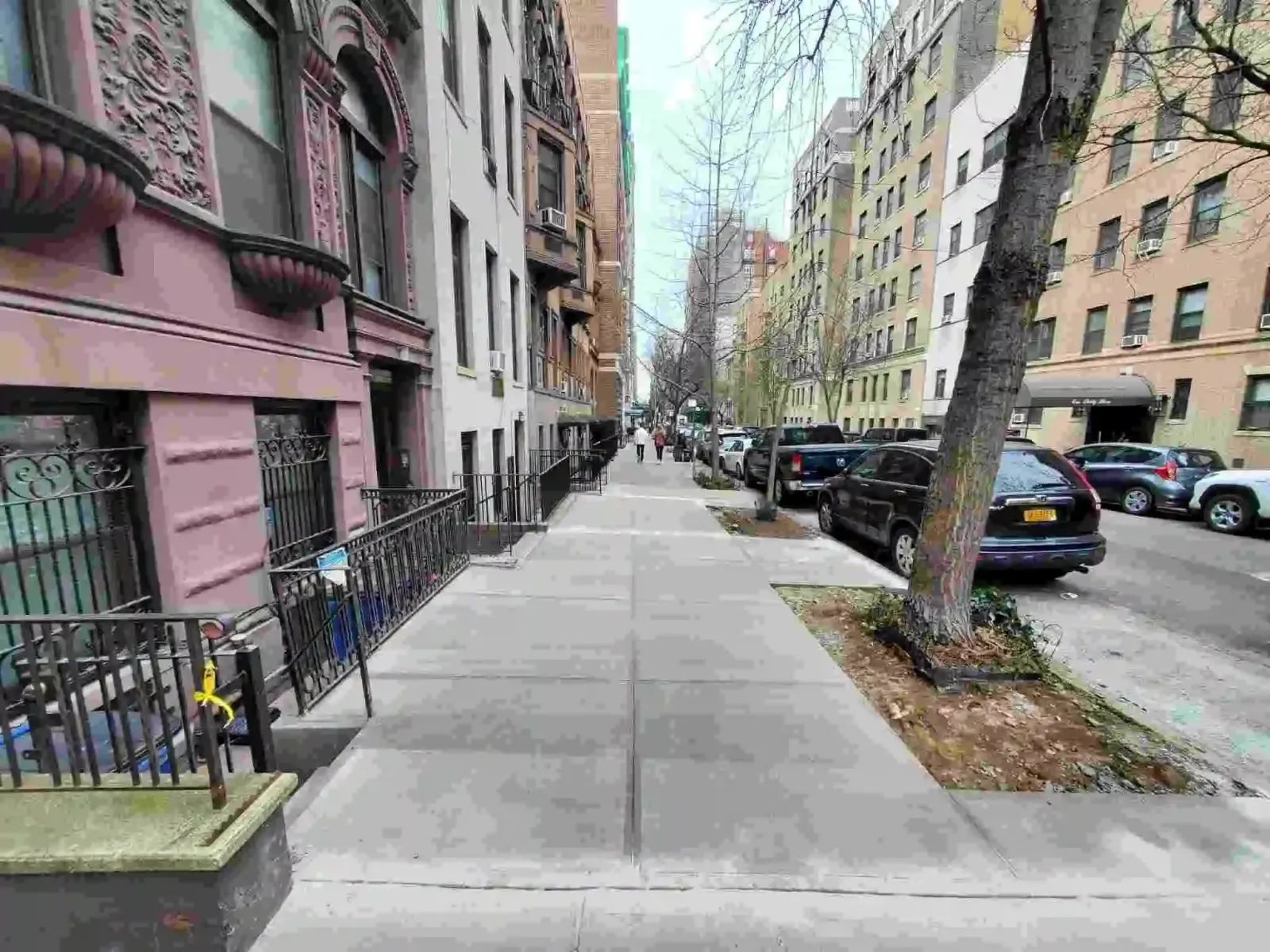
Cracked, raised and trip hazard flags replaced, including sidewalk violation repairs.
Learn More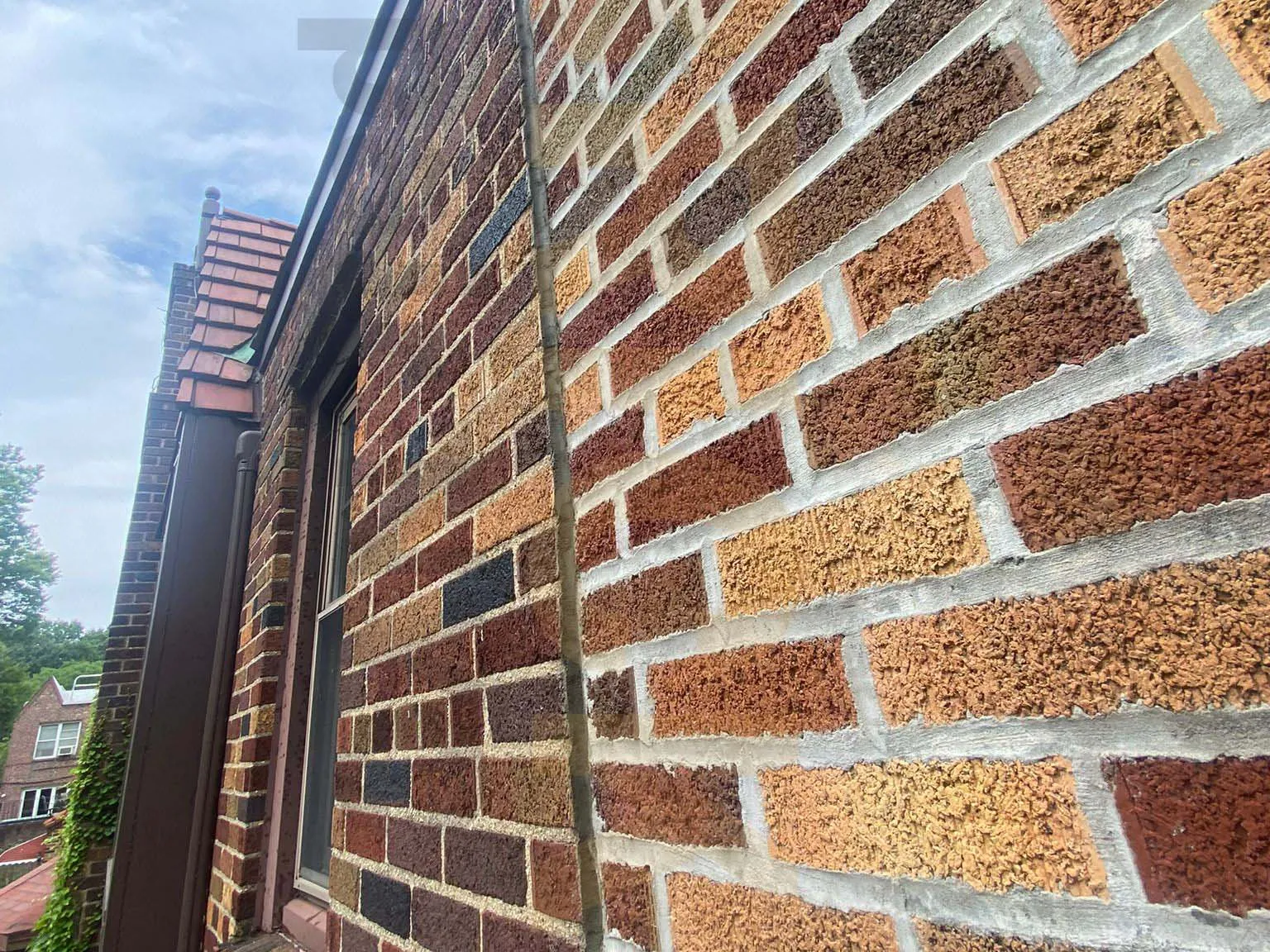
Brick Pointing
Failing mortar joints cut out and repointed to stop leaks and keep walls sound.
Learn More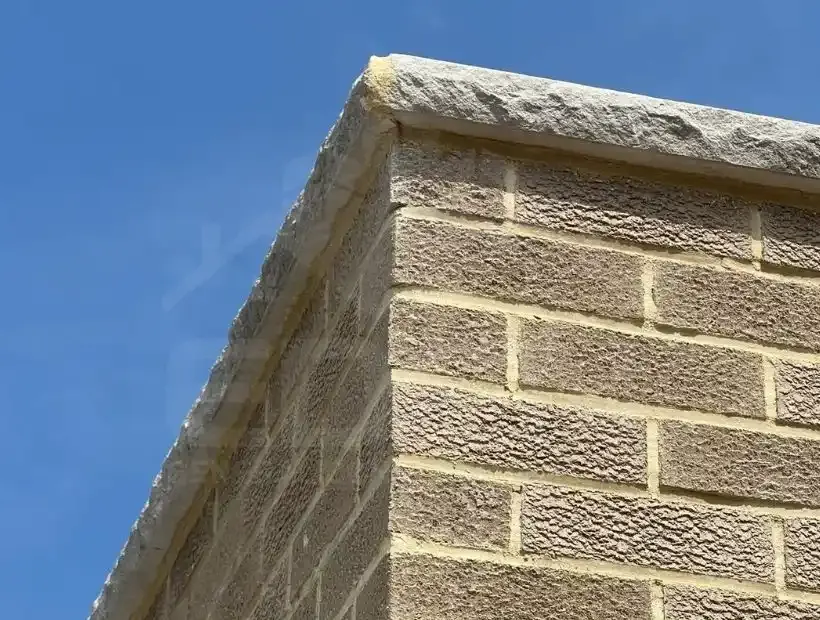
Masonry
Brick, block and stone work for walls, facades, chimneys, parapets and retaining walls.
Learn MoreFAQ
Stoop and Steps Questions
Often, yes. Loose stone is cut back and built up again with a tinted repair mortar, or damaged pieces are replaced. When most of the stoop has failed, a rebuild may be the better choice. On landmarked blocks, check with LPC before changing materials.
The steel inside the step is rusting and swelling. Patching the crack does not stop it. The post has to come out, the rust has to be dealt with, and the post has to be reset in a material that keeps water off the steel.
When we rebuild a set of steps, we can even out the risers so each step is the same height. Small differences are a common cause of trips. Partial repairs usually keep the existing heights.
Thin toppings over damaged steps tend to pop off after a winter or two because water gets under them. Replacing the damaged steps on a solid base lasts much longer. We tell you honestly if an overlay will hold.
Mortar and concrete need the right temperatures to cure well, so most stoop work is done in milder weather. A loose tread or dangerous rail can still get a temporary fix to keep it safe until then.
Yes. We repair and replace sidewalks too, and doing both at once saves a second setup. Sidewalk work generally needs a DOT permit, which we file for the jobs we do.
Yes. We repair stoops and steps across Brooklyn, Manhattan, Queens and the Bronx. We do not serve Staten Island.
Free on site estimate
Make Your Stoop Safe Again
Tell us which steps are loose, cracked or crumbling, or send a photo. We will set up a free visit and a written price.
Contact
Request a Steps Repair Estimate
Let us know the material and how many steps there are. A photo of the stoop and the railing posts is a big help.
- Call us(718) 468-8803
- HoursMon to Sat, 9:00 AM to 6:00 PM
- Free on site estimate with a written price
- Licensed and insured, 25+ years in business
- We handle DOT sidewalk permits
- Serving Manhattan, Brooklyn, Queens and the Bronx
Get Your Free Estimate
Takes about a minute. No cost and no obligation.