
Repointing and Tuck Pointing
Brick Pointing in New York City
Worn and open mortar joints cut out and refilled with mortar suited to your brick, so rain stays out of the wall and the brick itself lasts.
- Mortar mixed to suit old and newer brick
- Parapets, chimneys, facades and rear walls
- Free visit with a written scope and price
What Is Brick Pointing?
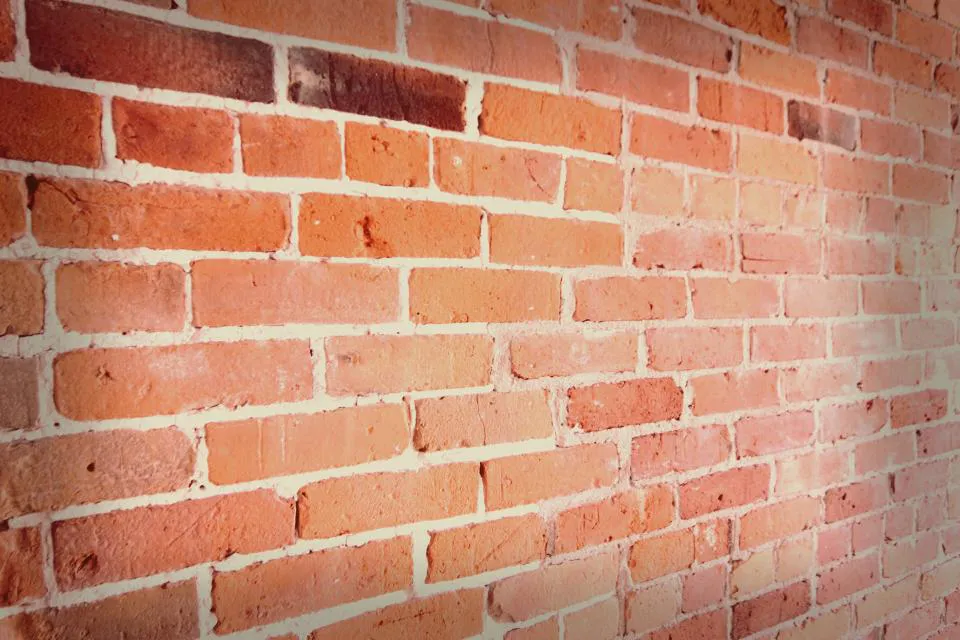
Brick pointing, also called repointing, is the work of cutting worn mortar out of the joints between bricks and packing new mortar in its place. The brick stays where it is. Only the joints are renewed, which closes the gaps that let water into the wall and keeps the brick face from breaking down.
Mortar is meant to wear out before the brick does. After enough decades it turns sandy and falls out. The trouble starts when nobody renews it in time.
In New York you will hear the job called pointing, repointing and tuck pointing. Most owners use the words the same way. On a quote, the questions that matter are how deep the old mortar comes out and what goes back in.
How pointing differs from other brick work
Pointing deals with the joints on a wall that is still sound. When bricks are cracked, loose or bulging, or when a steel lintel is rusting inside the wall, the job moves into rebuilding. That kind of work is covered on our brick and stone masonry page. Many walls need a bit of both.
Warning Signs
How Do You Know Your Brick Needs Repointing?
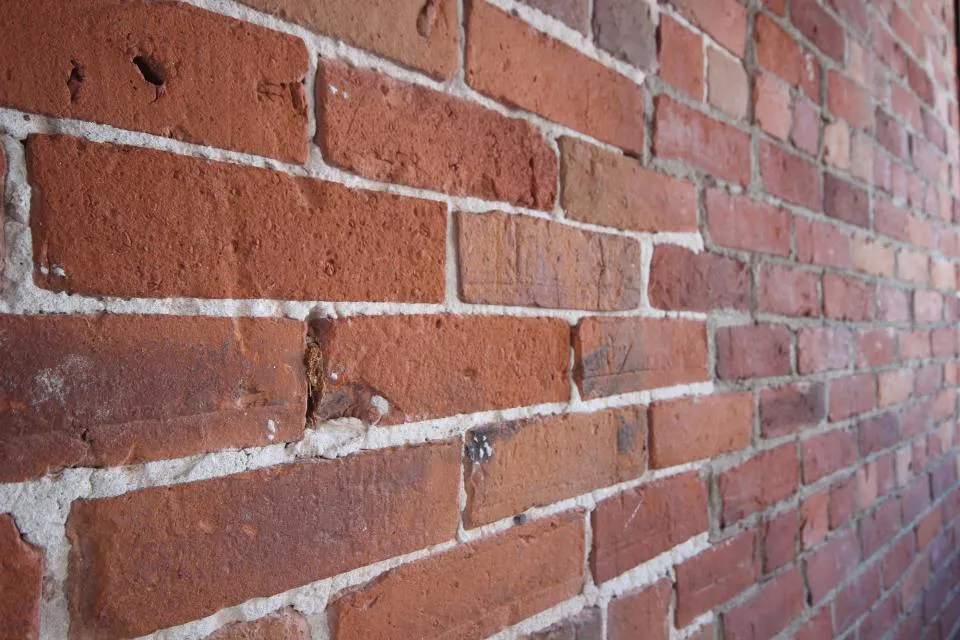
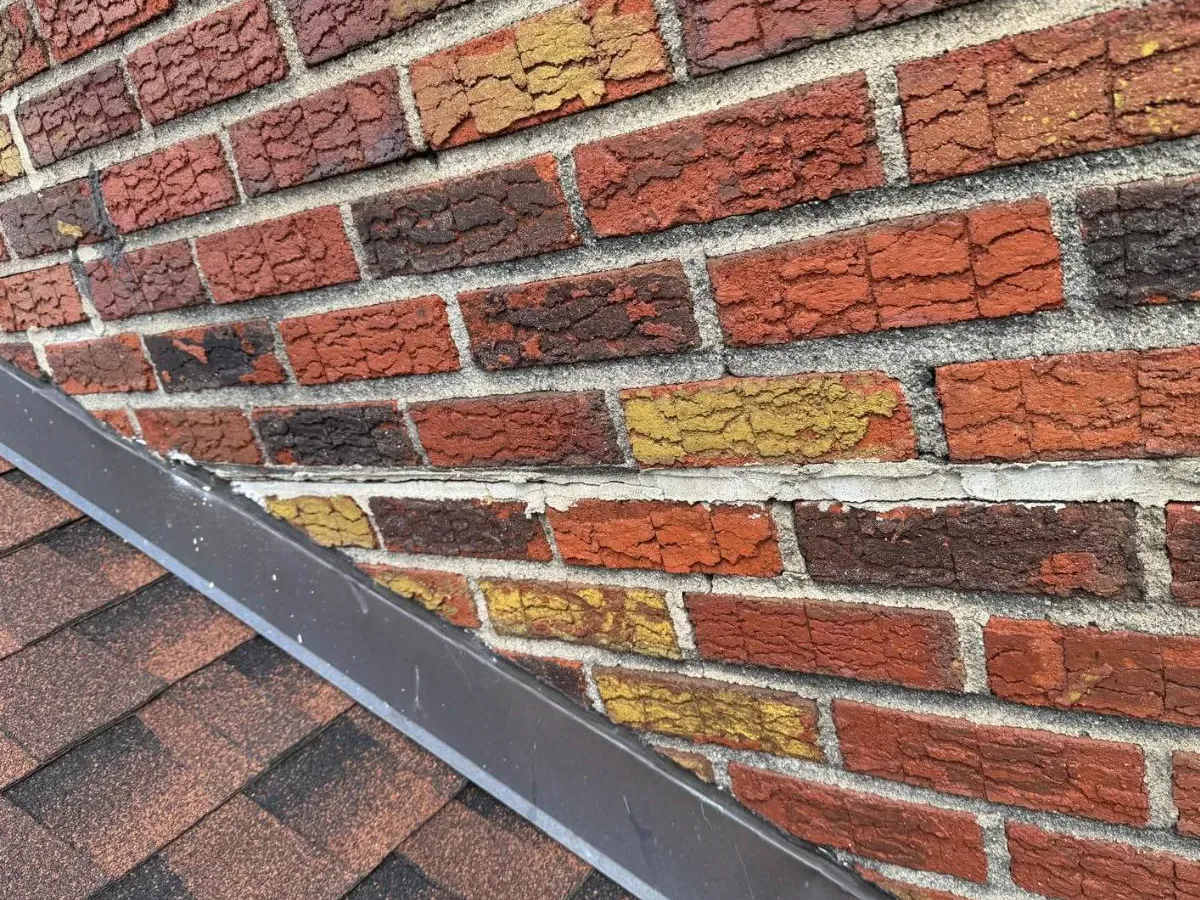
Your wall needs repointing when the mortar sits back from the brick face, crumbles when you scratch it, has open gaps or hairline cracks along the joints, or shows loose bricks. Stains, damp spots inside and white salt deposits on the brick are further signs that water is getting through the joints.
- Mortar recessed behind the brick face
- Joints that turn to sand under a key
- Open gaps or missing mortar
- Cracks running along the joints
- White salt deposits on the brick
- Damp plaster or peeling paint inside
- Loose bricks at a parapet or chimney
- Old smeared patches in a darker gray
Look at the top of the building first. Parapets and chimneys fail years before the wall below them, because they get rain from every side.
Why Does Mortar Matching Matter on an Old NYC Building?
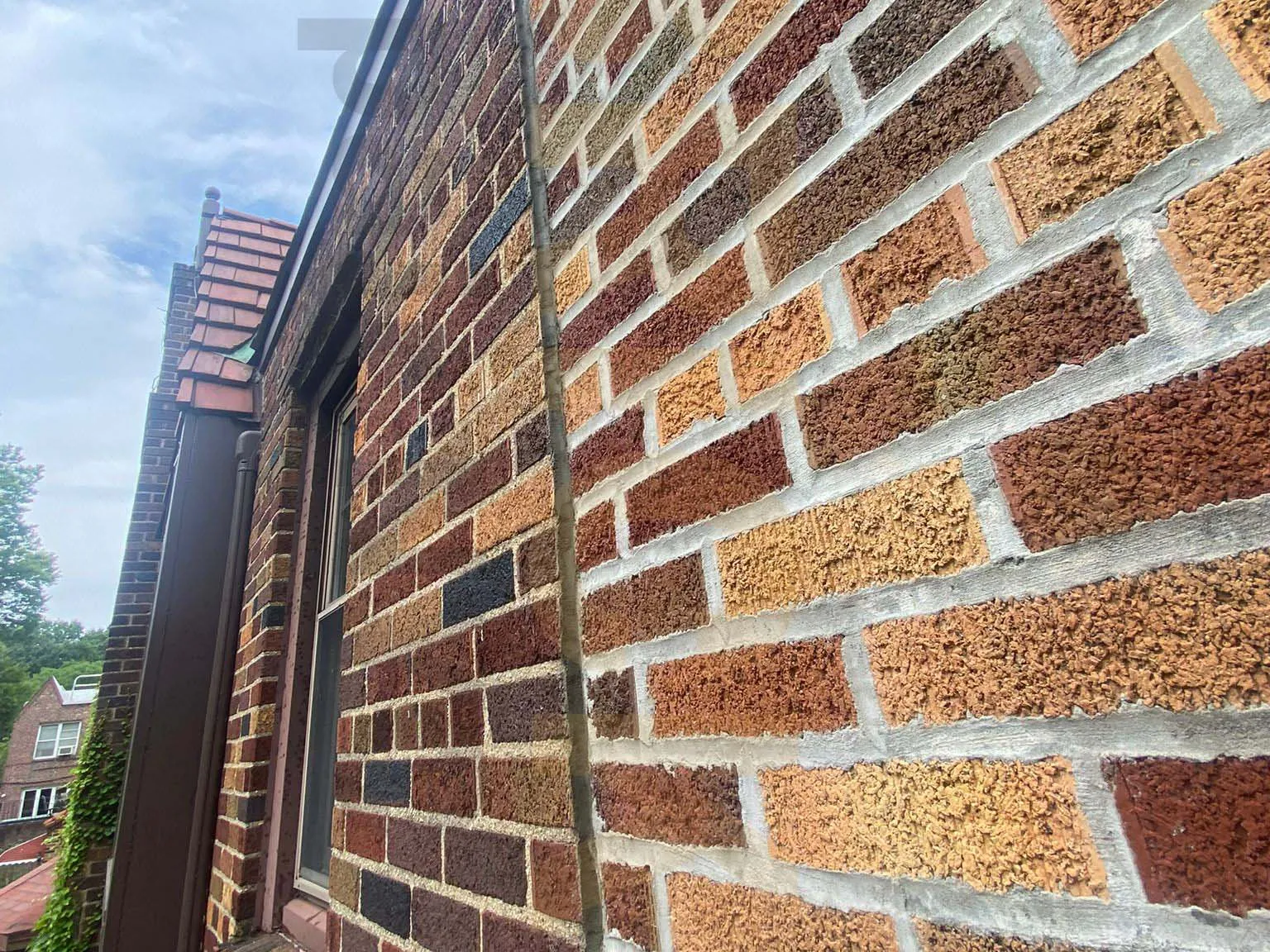
Mortar has to be softer and more breathable than the brick it holds. Many older NYC row houses and walk ups were laid in lime based mortar. If hard modern cement mortar goes into those joints, water and movement stress the brick instead of the joint, and the brick faces crack and flake off.
In an old wall, moisture moves in and out through the soft lime mortar and dries out. Fill those joints with a dense, hard mix and the moisture has to leave through the brick. In winter it freezes just under the face, and the face pops off. Masons call that spalling.
| Wall type | What usually suits it |
|---|---|
| Older soft brick laid in lime mortar | A lime based mix, softer than the brick |
| Newer hard brick laid in cement mortar | A cement and lime mix similar to the original |
| Wall with past hard cement patches | Remove the patches where the brick allows, then repoint to suit the brick |
| Landmarked or historic facade | A mix, color and joint profile that may need approval first |
Color, texture and joint shape
Matching is also about looks. Sand color, joint width and the shape of the finished joint all change how a wall reads from the street. A small sample area lets you see the match on your own brick first.
Not sure what your wall was laid in? A mason can usually tell on site.
Schedule a Site Visit Call Now
Step by Step
What Happens During a Repointing Job?
A repointing job starts with a close look at the joints and the brick, then a written scope. Access comes next, from a ladder for low walls to a scaffold or lift higher up. The crew cuts out the old mortar, cleans the joints, packs new mortar in layers, tools the finish and keeps it damp while it sets.
Look closely
The joints, brick faces, parapet and any old patches get checked, and we find where water gets in.
Written scope
You get a price that names the wall areas, the mortar type and the access needed.
Set up access
Ladders, a lift or a scaffold, plus protection over the sidewalk when the work is above it.
Cut out
Old mortar comes out to a sound depth without chipping the brick edges.
Repoint
New mortar is packed in layers, tooled to the joint shape and kept from drying too fast.
Why Do Parapets and Chimneys Need Pointing First?
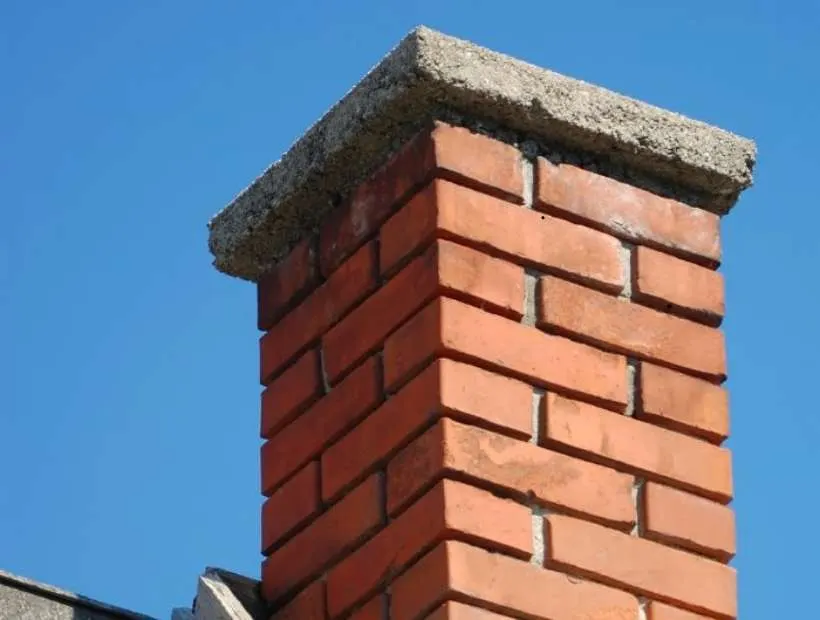
Parapets and chimneys stand above the roof and get soaked from the front, the back and the top. Their joints wear out long before the facade below. Water that enters there runs down inside the wall, so a parapet with open joints can cause stains and leaks several floors down.
A parapet is the short wall along the roof edge. Its back faces the roof and often gets less attention than the street side.
Coping and caps
The top of a parapet is usually covered by coping stones, clay tiles or a metal cap. When the joints between coping stones open up, water drops straight into the core of the wall. Repointing the wall without sealing the top leaves the main leak in place.
Chimneys
Chimneys lose mortar fast because they stand alone in the wind and weather. Open joints on a chimney are also a safety issue, since loose brick can fall onto a roof or the sidewalk. When the top courses are loose, repointing is not enough and those courses need to be relaid.
Joints Open at the Roof Line?
Send a photo of the parapet or chimney and your address. We will look at it in person and put the scope in writing.
Can Repointing Stop a Leak in a Brick Wall?
Repointing stops leaks that come through worn or open mortar joints, which is one of the most common paths into an old brick wall. It will not fix a leak that comes from a failed roof, bad flashing, cracked coping, leaking window frames or cracked brick. Finding the real source comes before any quote.
Water shows up far from where it gets in. A stain on a top floor ceiling may start at the parapet. So the first visit is about tracing the water, not just counting bad joints.
- Joints. Recessed or open mortar is repointed. This is our main work.
- Cracked or loose brick. Those units are cut out and replaced as part of the job.
- Sills and coping. Open joints on top surfaces are sealed or reset so water runs off.
- Roof and flashing. We tell you when the leak is a roofing problem and not a masonry one.
What about sealers and coatings?
Clear sealers and paint are sometimes sold as a leak fix. On old brick, the wrong coating can trap moisture inside the wall and speed up spalling. It is not a substitute for sound joints.
Do You Need a Scaffold, a Permit or a Local Law 11 Filing?
Low walls can be pointed from ladders. Upper floors, parapets and chimneys usually need a scaffold, a lift or roof access, and work above a public sidewalk often needs protection for people walking below. Some scaffolds and sidewalk sheds have their own Department of Buildings rules. Taller buildings also fall under Local Law 11.
Access and protection
Height drives much of the planning. A two story rear wall and a six story facade are different jobs even at the same size. We plan access during the estimate and handle DOB permits when a job needs one.
Local Law 11 and FISP
Local Law 11, the Facade Inspection and Safety Program, requires buildings taller than six stories to have their facades inspected every five years. When the inspector's report lists deteriorated mortar, loose brick or unsafe parapets, the owner has to arrange repairs. Repointing is often a large part of that work.
Our part is the repair, not the inspection. We work from the conditions listed in the report and coordinate with the inspector on the building's team. A brownstone or a two family house is not part of FISP.
Historic districts
On landmarked buildings and in historic districts, repointing a facade can need Landmarks Preservation Commission approval, including the mortar mix and color. Rules for scaffolds, FISP cycles and landmark work change over time, so confirm the current requirements with DOB, LPC or 311 before work starts.
Pricing
What Affects the Cost of Brick Pointing in NYC?
Brick pointing cost in NYC depends on how many square feet of wall need new joints, how high the work is and what access that takes, how hard the old mortar is to remove, how closely the new mortar has to match, and how much brick repair turns up along the way. We price it after seeing the wall.
Wall area
A parapet alone is a much smaller job than a full street facade.
Height and access
Ladders, a lift, a scaffold or sidewalk protection each change the setup.
Old mortar and patches
Hard cement patches take longer to cut out without harming the brick.
Mortar matching
Lime mixes, color matching and sample panels add time on older walls.
Brick condition
Spalled or loose brick found during the work may need replacing.
Rules and approvals
FISP related repairs, DOB permits or LPC approval can be part of the scope.
Your repointing price: in writing after a free look at the wall, with the areas and mortar type listed.
Get a Free EstimateWhy Us
Why Owners Call Us for Repointing
Mortar chosen for the wall
Old lime laid brick and newer hard brick get different mixes. You will know which one your wall is getting and why.
Licensed and insured
Construction, injury and workers compensation insurance on every job, including work at height.
25+ years in NYC
More than 25 years of work on New York row houses, walk ups and apartment buildings.
Service Areas
Where Do We Repoint Brick?
We repoint brick across Manhattan, Brooklyn, Queens and the Bronx. If you are looking for a brick pointing contractor near me, pick your borough below to see the kinds of buildings and walls we work on there. Owners with buildings in more than one borough can start at our citywide repointing page.
More Services
Related Work on Brick Buildings
Steps Repair
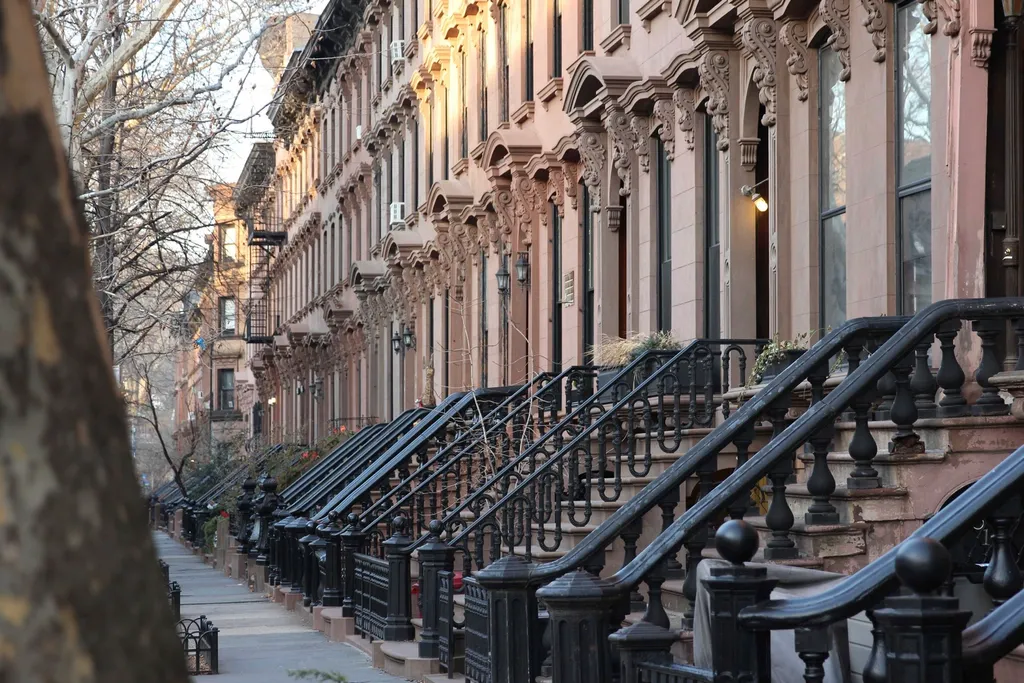
Loose treads, crumbling stoops and unsafe entry steps rebuilt in concrete, brick or stone.
Learn More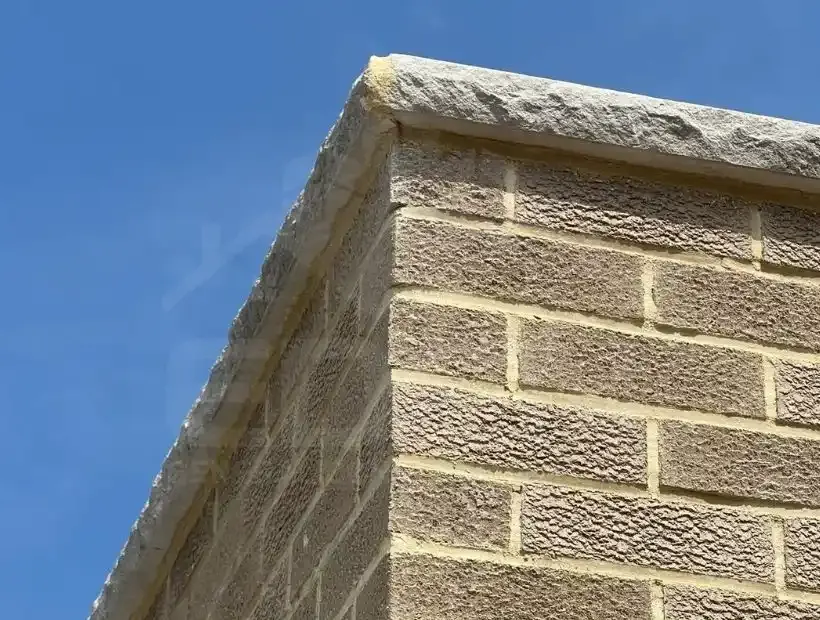
Masonry
Brick, block and stone work for walls, facades, chimneys, parapets and retaining walls.
Learn More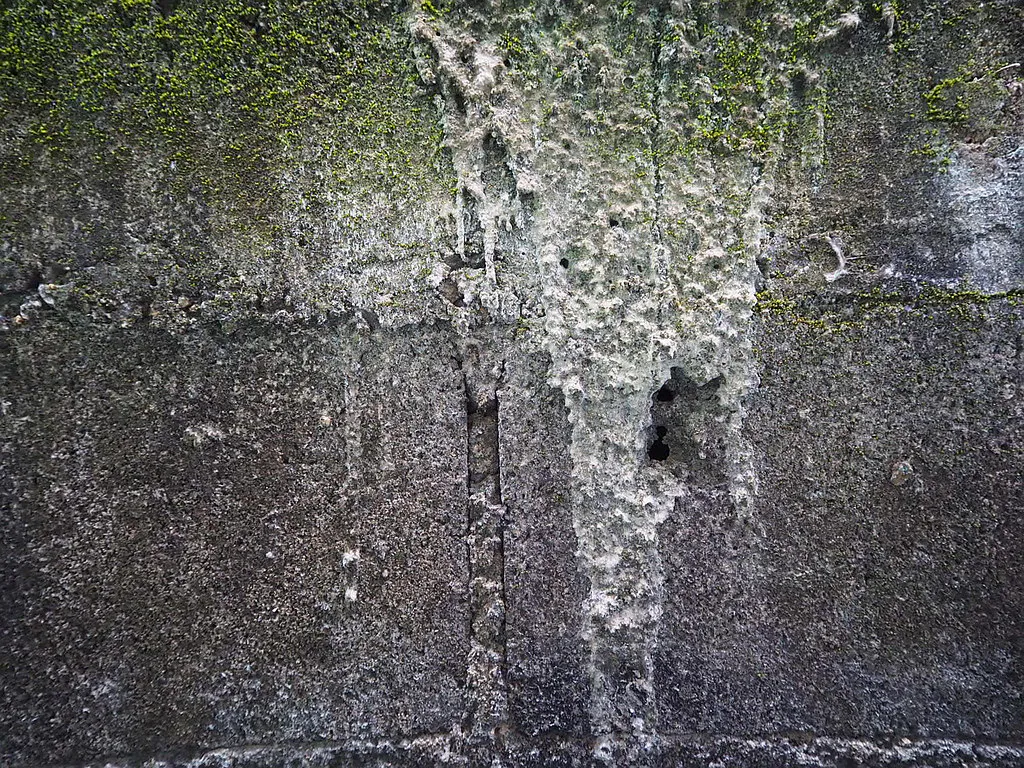
Basement Waterproofing
Leaks, seepage and damp basements fixed from inside or outside, based on where water gets in.
Learn MoreFAQ
Brick Pointing Questions
There is no fixed schedule. Well matched mortar on a protected wall can last for decades, while parapets and chimneys wear out much sooner. Check the joints every few years and after any leak.
Yes. Parapets, chimneys and the most exposed areas are often done first. The new joints will look fresher than the old ones for a while, so a sample area helps you judge the match.
Most people in New York use the two words for the same job. Technically, tuck pointing is a decorative finish with a thin raised line on the joint. What matters is how the old mortar is removed and what mix goes back in.
Older soft brick was built to let moisture escape through soft lime mortar. Hard cement joints push that moisture out through the brick instead. Over winters the brick faces crack and flake off.
Mortar needs protection from freezing while it sets. Cold weather work is possible with care, but many jobs are planned for milder months.
It will if the water comes through the joints. Damp can also come from the roof, flashing, windows or plumbing. We trace the source before recommending pointing.
FISP applies to buildings taller than six stories. Smaller buildings are not part of the program. Check the current rules and your filing cycle with DOB.
Free on site estimate
Get Your Mortar Joints Looked At
Tell us where the joints are open or where the water shows up inside. We will set up a free visit and a written repointing price.
Contact
Request a Repointing Estimate
Share the address and, if you can, a photo of the wall, parapet or chimney. We will call to set up a free look on site.
- Call us(718) 468-8803
- HoursMon to Sat, 9:00 AM to 6:00 PM
- Free on site estimate with a written price
- Licensed and insured, 25+ years in business
- We handle DOT sidewalk permits
- Serving Manhattan, Brooklyn, Queens and the Bronx
Get Your Free Estimate
Takes about a minute. No cost and no obligation.