
Foundation Walls and Cracks
Foundation Repair in New York City
Cracked, crumbling and bowing foundation walls looked at honestly and repaired by a licensed NYC crew, with an engineer brought in when the wall needs one.
- Stone, brick, block and concrete foundations
- Engineer and DOB permit coordination
- Free on site look and a written scope
Warning Signs
What Are the Signs of a Foundation Problem?
Common signs include doors and windows that start to stick, stair step cracks in brick or block, cracks wider at one end than the other, gaps opening between walls and floors, sloping floors and a basement wall that leans inward. One sign alone is not proof of trouble, but several together deserve a look.
- Doors or windows that suddenly stick
- Stair step cracks along mortar joints
- Cracks wider at the top or bottom
- Gaps at ceilings, trim or floors
- Floors that slope or feel soft
- A basement wall bowing inward
- Mortar washing out of stone walls
- Water entering through wall cracks
Many thin cracks are harmless. Concrete shrinks as it cures, and hairline cracks in an old wall can sit unchanged for decades. What matters is whether a crack is growing, shifting sideways or letting water in.
Why Do Old NYC Foundations Crack, Bow and Settle?
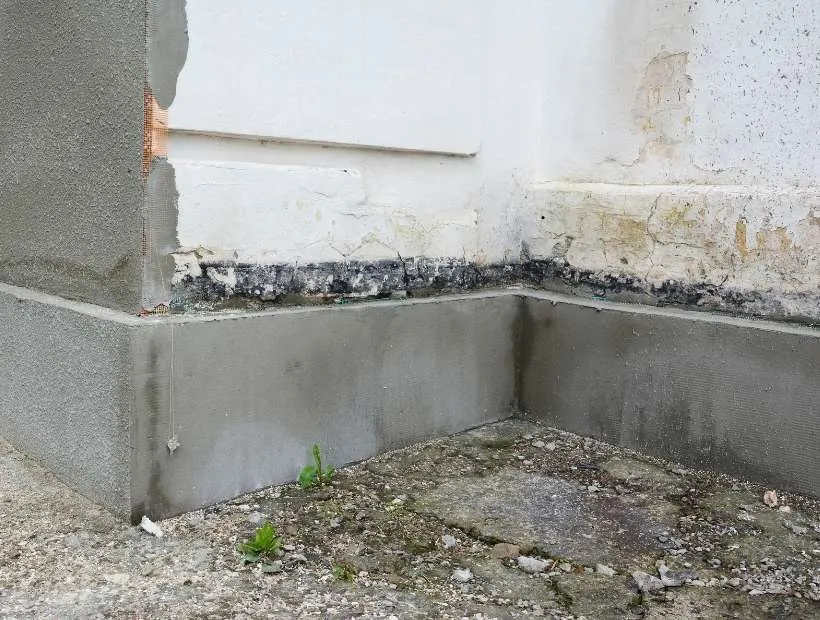
Most foundation damage in New York City comes from water in the soil, old lime mortar washing out of stone and brick walls, soil settling under part of a building, and vibration or digging from construction nearby. The age of the building and what its foundation is made of shape how it fails.
Rubble stone and brick under row houses
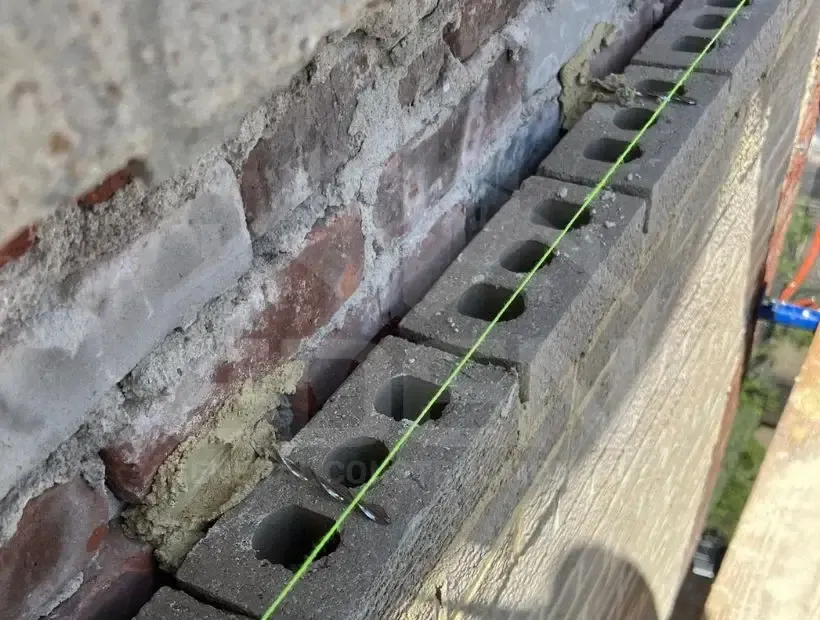
Many older row houses in Brooklyn, Manhattan and the Bronx stand on foundations of rough fieldstone or brick laid in lime mortar. These walls can carry a house for well over a century. Their weak point is the mortar. Damp soil slowly washes it out, stones loosen, and sections of wall start to bulge or drop pieces into the cellar.
The usual repair is to rake out the loose joints, repoint the stone with a suitable mortar and rebuild any section that has lost its bond. Covering a rubble wall with a thick coat of hard cement can hide the problem for a while and trap water behind it.
Block and poured concrete
Houses built later, including many in Queens and the northeast Bronx, often have concrete block or poured concrete foundations. Block walls tend to crack in a stair step pattern along the joints, or in a long horizontal line when soil pushes from outside. Poured walls usually show vertical or diagonal cracks.
Settlement and nearby construction
Soil that was poorly compacted, washed out by a leaking pipe or dug up next door can let part of a building drop. If cracks appear after excavation starts on a neighboring lot, photograph them with dates and report them to DOB or 311. The city has rules for protecting adjoining buildings, and you should check the current process with DOB.
Crack Getting Wider?
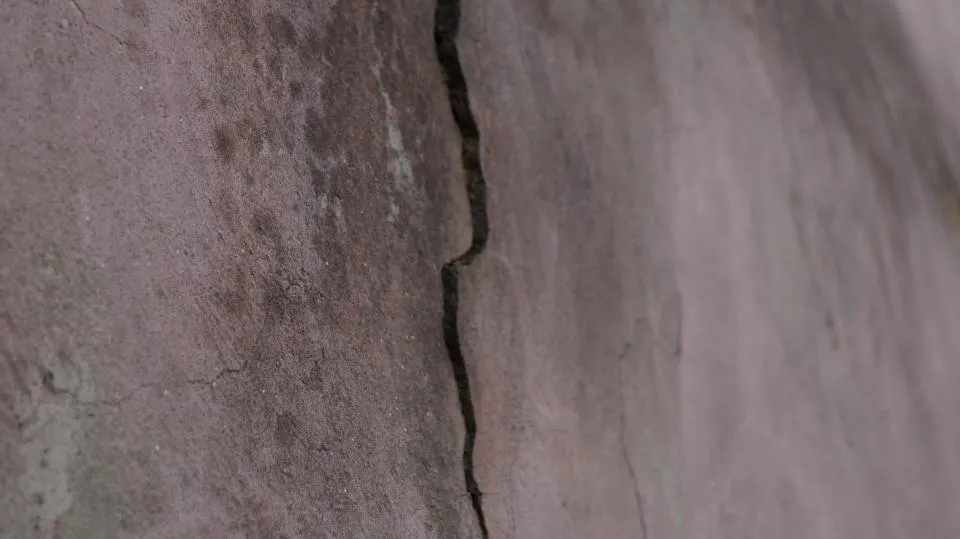
Mark the ends of the crack with a pencil and the date, then send us a photo. We will set up a free look at the wall.
When Does Foundation Work Need an Engineer or a DOB Permit?
Structural problems may need a licensed engineer's assessment and a Department of Buildings permit. That usually means walls that bow, lean or are moving, horizontal cracks in block, floors that have dropped, or any fix that changes how the building is supported. Small nonstructural patching often needs neither. Confirm current rules with DOB.
An engineer's job is to find the cause and design the fix. A contractor's job is to build that fix correctly. When a wall shows signs of structural movement, the order matters: assessment first, then a design, then permits, then work.
- Likely engineer review: bowing or leaning walls, horizontal cracks, cracks that keep growing, sagging beams or floors, and any wall with sections missing.
- Often handled directly: sealing hairline cracks, repointing stone joints that are loose but stable, and patching spalled surfaces.
We handle DOB permits when a job needs one, and we work from the engineer's drawings when there are drawings. If your building is landmarked, exterior foundation work that shows can also involve the Landmarks Preservation Commission. Permit rules change, so check the current requirements with DOB or 311.
How Are Cracked and Bowing Foundation Walls Repaired?
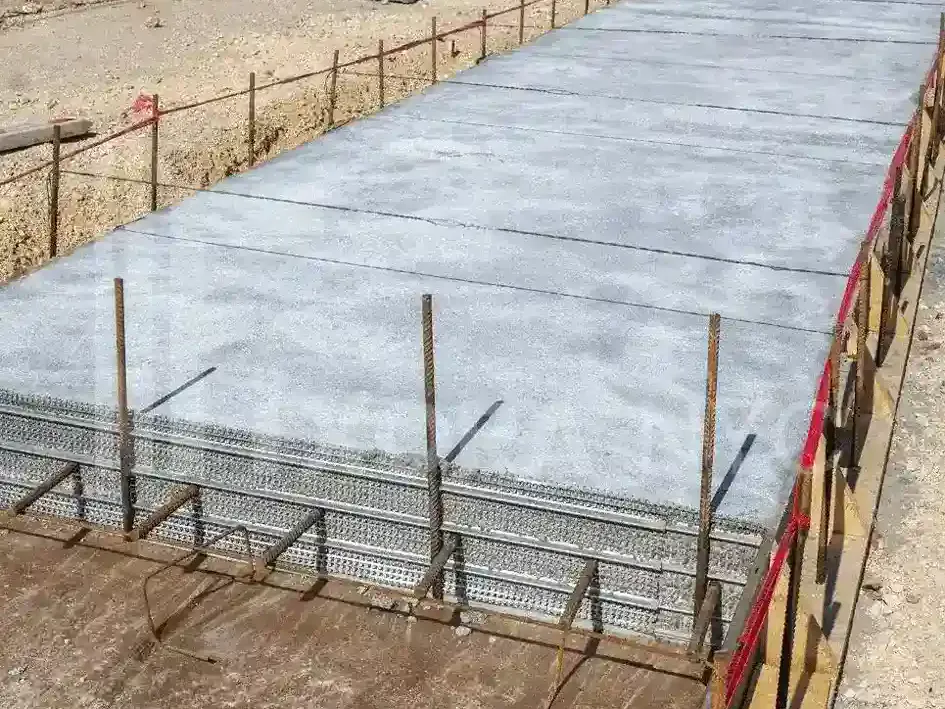
The repair depends on the wall and the cause. Stable cracks are cleaned and sealed or injected. Loose stone and brick are repointed and rebuilt, and crumbling faces patched. Walls that bow or settle need an engineer's design, which can call for bracing, rebuilding or deeper support. No fix works if the water or soil problem behind it stays.
| Problem | Typical approach |
|---|---|
| Hairline crack in poured concrete, dry and stable | Clean and seal, then watch it |
| Crack that leaks water | Injection or sealing from inside, plus fixing the water source |
| Loose mortar in a rubble stone wall | Rake out, repoint and reset loose stones |
| Crumbling face on brick or concrete | Remove loose material, patch or parge with a compatible mix |
| Stair step or horizontal crack in block | Engineer review first, then repair to the design |
| Wall bowing inward or part of the house dropping | Engineer assessment, DOB permit, repair as designed |
A word on underpinning
Underpinning means extending a foundation deeper or wider so it rests on firmer ground. It is serious structural work that an engineer designs and that generally needs DOB approval. When an engineer calls for it, we can refer you to specialists and coordinate the related masonry. Nobody can honestly promise how a building will respond, and you should be wary of anyone who does.
How Does Water Damage a Foundation?
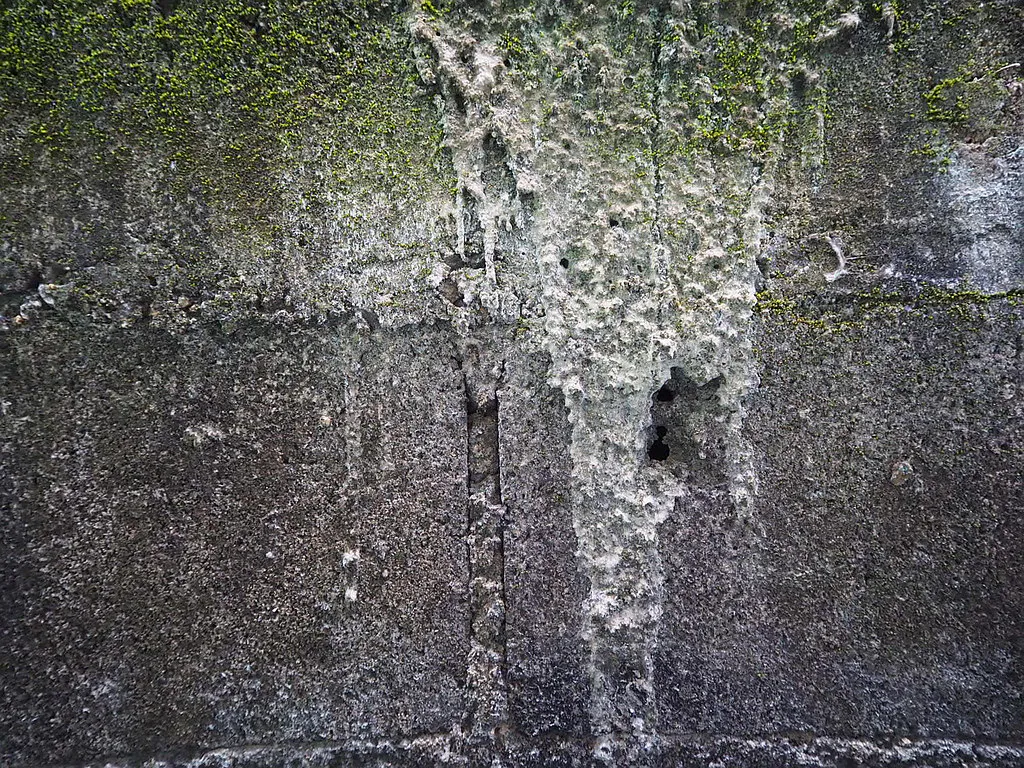
Water is behind most foundation damage. Wet soil pushes harder on walls, washes fine soil out from under footings, dissolves lime mortar in old stone walls and freezes in cracks near the surface. Downspouts that dump next to the house and ground that slopes toward the walls make all of it worse.
That is why a foundation repair often starts outside. Check where each downspout empties, whether the yard or areaway drains away from the building, and whether water collects along one wall after a storm. A leaking water or sewer line under the cellar floor can wash out soil too.
Once the cracks are sealed and the wall is sound, keeping the basement dry is its own job. Our basement leak and waterproofing work covers drainage, sump pumps and coatings when water keeps coming back.
How We Work
What Happens After You Call About a Foundation?
The first step is a visit to look at the walls, cracks, floors and drainage. From there you get either a written scope for a direct repair or a recommendation to bring in an engineer first. Permits, repairs and a walk through of the finished work follow, in that order.
Look at the building
Walls, cracks, floors, doors and outside drainage are checked, and the cracks are measured and photographed.
Decide the path
Minor repairs get a written price. Structural signs get an honest recommendation to have an engineer assess the wall.
Design and permits
When an engineer is involved, their design sets the scope. DOB permits are filed when the work requires them.
Repair
Cracks are sealed or injected, stone and brick repointed or rebuilt, and surfaces patched with compatible materials.
Walk through
You see the finished work and get notes on drainage or monitoring to keep it sound.
Pricing
What Affects the Cost of Foundation Repair in NYC?
Foundation repair cost depends on the type of wall, how severe and widespread the damage is, how easy it is to reach, whether digging outside is needed, and whether an engineer's design and DOB permits are part of the job. A single sealed crack and a rebuilt cellar wall are very different projects.
Wall type
Rubble stone, brick, block and poured concrete each repair differently.
Severity
Stable cracks cost far less to address than moving or bowing walls.
Access
Finished basements, tight cellars and shared walls take more setup.
Excavation
Outside work means digging, shoring and restoring the yard or areaway.
Engineer involvement
An assessment and drawings are part of structural jobs.
Permits
DOB permits for structural work add paperwork and inspection time.
Your foundation price: written after we see the wall, with any engineer step spelled out.
Get a Free EstimateMore Services
Services That Often Go With Foundation Work
Concrete Replacement
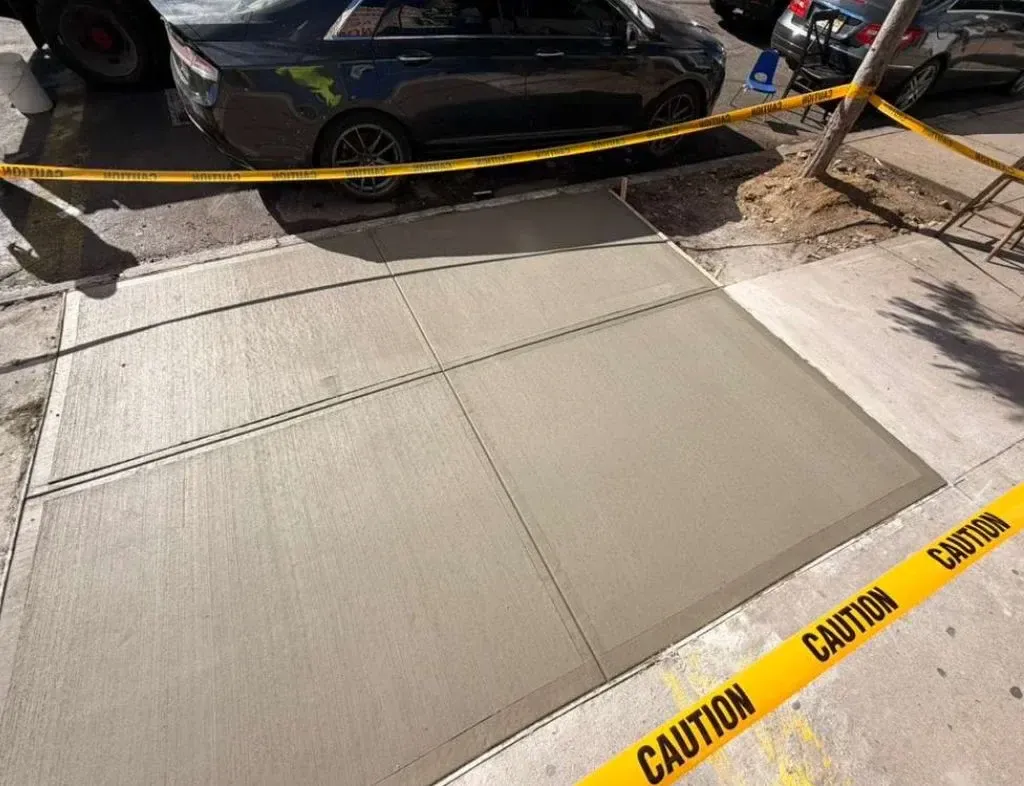
Worn slabs, patios, yards and walkways broken out and poured new on a proper base.
Learn More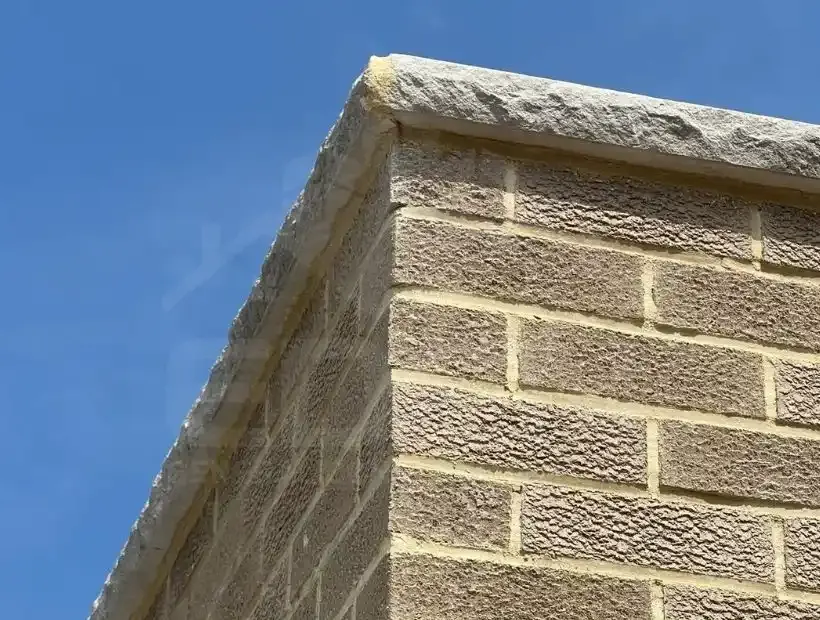
Masonry
Brick, block and stone work for walls, facades, chimneys, parapets and retaining walls.
Learn More
Basement Waterproofing
Leaks, seepage and damp basements fixed from inside or outside, based on where water gets in.
Learn MoreService Areas
Where Do We Repair Foundations?
Our crews repair foundation walls in Manhattan, Brooklyn, Queens and the Bronx, from stone cellars under brownstones to block basements under detached houses. If you want a foundation contractor near me who knows your borough's buildings, start with the pages below, or see our foundation repair across NYC overview.
Why Us
Why Owners Trust Us With Foundation Walls
Straight answers
If a crack is cosmetic, you will hear that. If the wall needs an engineer, you will hear that too, before any work is sold.
Permits handled
We file DOB permits when the scope calls for them and build to the engineer's design.
Licensed and insured
Construction, injury and workers compensation insurance, and more than 25 years on NYC buildings.
FAQ
Foundation Repair Questions
Often, yes. Concrete shrinks as it cures and old walls pick up fine cracks over time. Mark the ends and date them. If a crack grows, shifts or leaks, have it checked.
Horizontal cracks in block walls, cracks wider at one end, stair step cracks that keep opening and any wall bowing inward are the ones to take seriously. These can point to soil pressure or settlement and usually call for an engineer.
Humidity is a common reason. Doors that stick along with new cracks above the frame or sloping floors can point to settlement. A visit helps tell the two apart.
Yes. Loose joints are raked out and repointed and loose stones reset or rebuilt. Damp soil outside is usually part of the problem, so drainage gets looked at too.
You may if the wall bows, leans, has horizontal cracks, or if floors have dropped. Structural problems may need a licensed engineer's assessment and DOB permits. Small, stable cracks usually do not.
It can. Digging and vibration near an old foundation can lead to movement. Photograph cracks with dates and report concerns to DOB or 311.
Yes. Foundation repair makes the wall sound. Waterproofing keeps water out of the basement. Many homes need both, done in the right order.
Free on site estimate
Have Your Foundation Checked
Tell us what you are seeing, from sticking doors to a bowing cellar wall. We will set up a free visit and give you an honest read.
Contact
Request a Foundation Inspection
Share the address and a photo of the crack or wall if you can. We will call to arrange a free look on site.
- Call us(718) 468-8803
- HoursMon to Sat, 9:00 AM to 6:00 PM
- Free on site estimate with a written price
- Licensed and insured, 25+ years in business
- We handle DOT sidewalk permits
- Serving Manhattan, Brooklyn, Queens and the Bronx
Get Your Free Estimate
Takes about a minute. No cost and no obligation.