
Wet Basements and Leaks
Basement Waterproofing in New York City
Seepage, puddles and damp walls traced to where the water really gets in, then fixed from inside or outside the wall by a licensed NYC crew.
- Interior drainage, sump pumps and crack injection
- Exterior membranes, grading and downspout fixes
- Honest advice when a plumber is the right call
Why Is Water Getting Into Your Basement?
Basement water in NYC usually comes from one of five places: groundwater pushing through the walls or floor, rain running toward the house because of poor grading or short downspouts, cracks in the foundation, flooded window wells, or the city sewer backing up through floor drains during heavy rain. Each needs a different fix.
Groundwater and wet soil
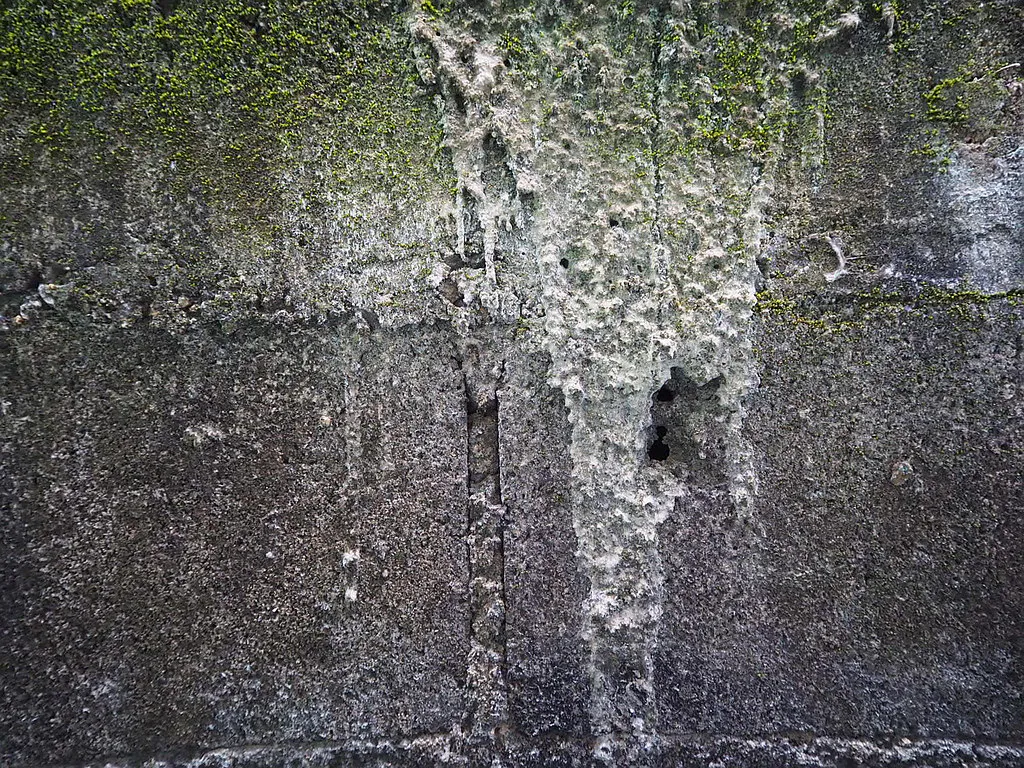
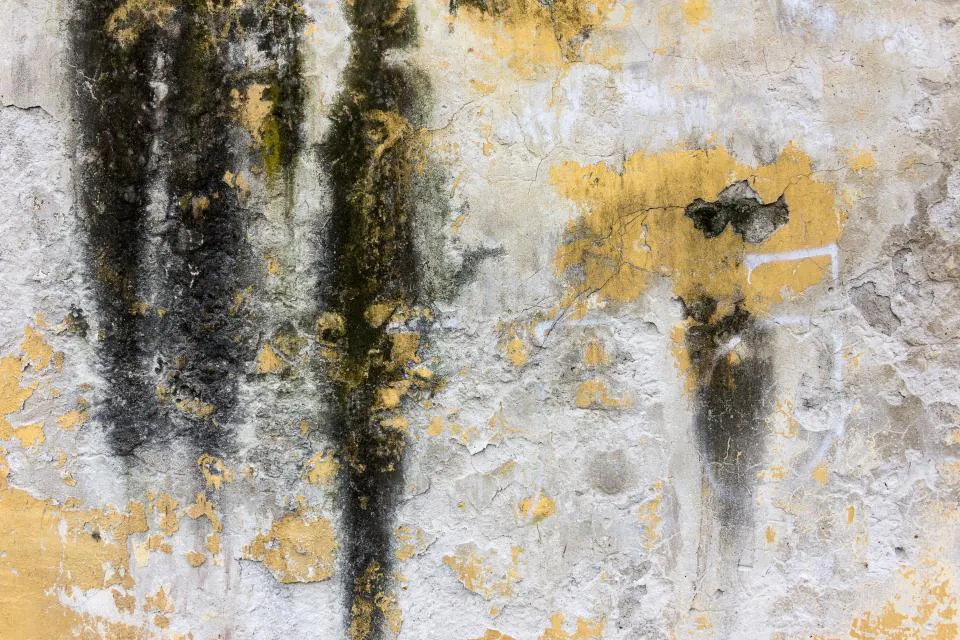
When the soil around your foundation stays saturated, water pushes against the walls and up through the slab. It shows up as seepage where the wall meets the floor, damp patches that come and go with the season, and white salt deposits on the walls.
Rain aimed at the house
A downspout that empties at the foundation, a yard that slopes toward the wall or a clogged areaway drain puts storm water right where you do not want it. These are often the cheapest problems to fix, and they are the first thing to check.
Cracked walls and window wells
Water follows cracks and loose mortar joints straight into the basement. Window wells without a working drain fill like a bucket in a storm and leak around the window frame.
Sewer backups
If water rises out of a floor drain, toilet or tub during a downpour, the source is likely the sewer, not the ground. Heavy rain can overload sewers in many inland areas of the city. That is a plumbing problem, and it is covered further down this page.
Which Waterproofing Method Does Your Basement Need?
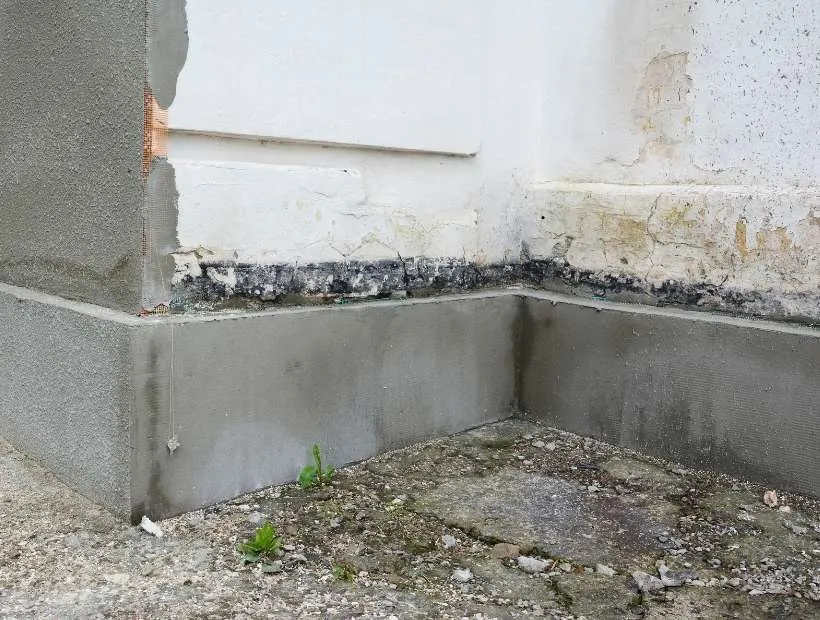
The right method depends on where the water enters and how much there is. Outside fixes like grading and downspouts come first. Single leaking cracks can be injected. Damp walls may take a coating. Steady seepage along the floor often needs interior drainage and a sump pump. Exterior membranes suit walls you can dig out.
| What you see | What usually makes sense |
|---|---|
| Water only after storms, near one corner | Downspout extension, regrading, clearing the areaway drain |
| One crack that drips in heavy rain | Crack injection from inside |
| Damp walls, no running water | Fix outside drainage, then a breathable waterproof coating |
| Seepage along the base of several walls | Interior perimeter drain and a sump pump |
| Leaking wall with open ground outside | Exterior membrane and drainage at the wall |
| Water coming up from floor drains or fixtures | Call a licensed plumber about a backwater valve |
Many basements need two of these together. Sealing a crack does little if a downspout keeps soaking the soil beside it.
Inside the Basement
How Do Interior Drainage and Sump Pumps Work?
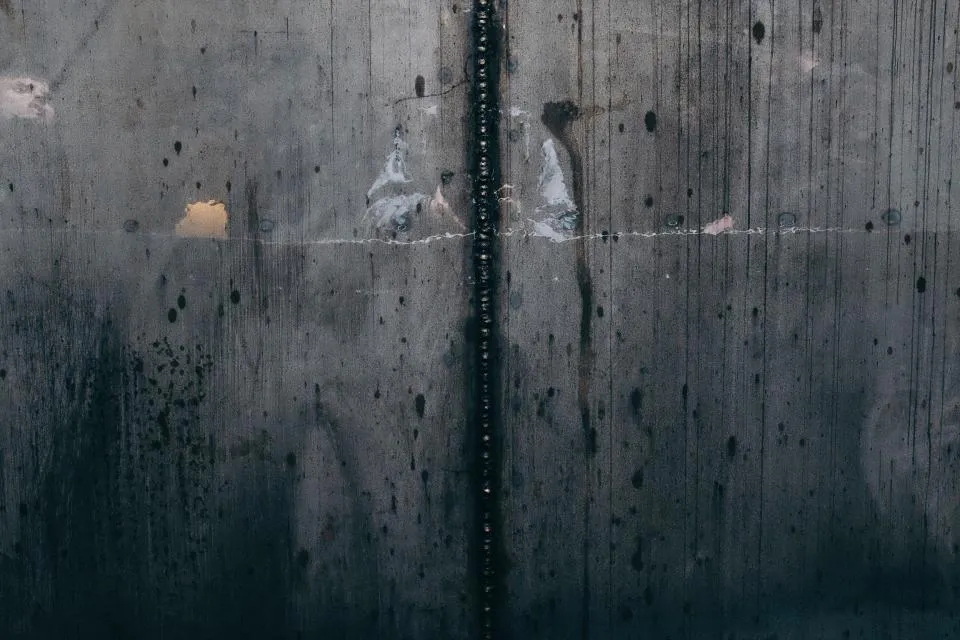
An interior drainage system catches water where it enters, along the base of the walls, and carries it to a sump pit. A pump then lifts it out of the building. It does not stop water from reaching the wall. It controls where that water goes, which suits basements where digging outside is not possible.
The work means cutting a channel in the slab along the walls, laying a perforated pipe in gravel, and patching the floor over it. A plastic sheet on the lower wall can guide seepage down into the drain.
A sump pump needs power, a place to discharge and some care. A battery backup keeps it running when storms knock out power. Where the pump discharges matters too, and there may be city rules on it, so check before the line is run.
Crack injection
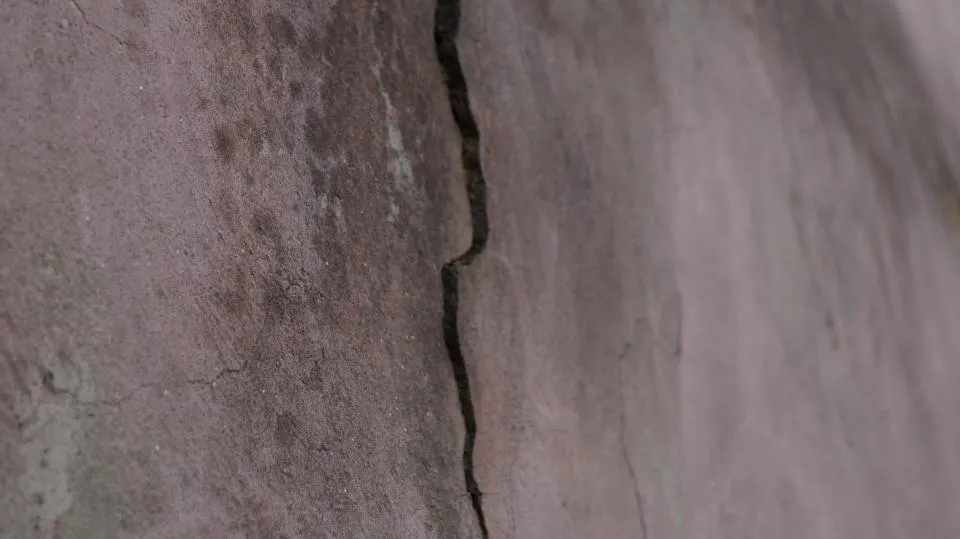
For single leaking cracks in poured concrete walls, injecting resin from inside fills the crack through the wall. It works well on concrete. Rubble stone and hollow block walls usually need repointing or drainage instead.
Wall coatings
Cement based waterproof coatings can handle damp walls and light seepage. They are not meant for water under steady pressure, and plain paint labeled waterproof rarely holds up.
Puddles After Every Storm?
Send a photo of where the water shows up and your address. We will look at it in person and give you a written price.
When Is Exterior Waterproofing Worth the Digging?
Exterior waterproofing stops water at the outside face of the wall. The soil is dug out down the wall, the wall is cleaned and repaired, a membrane goes on, and drainage is added before backfilling. It makes sense when you can reach the wall from a yard, driveway or areaway, and when interior methods would not be enough.
On many NYC row houses only the front areaway or the rear yard is open to dig. Side walls are shared with neighbors or sit on the property line. That often makes a combined plan the practical choice: exterior work where you can reach, interior drainage elsewhere.
Grading and downspouts
Before any digging, look at the ground. Soil should slope away from the house. Downspouts should carry water well away from the walls or into a proper drain. Areaway and yard drains need to be clear. These fixes cost less than any membrane and sometimes solve the leak on their own.
Window wells
A basement window below grade needs a well with a working drain and gravel at the bottom. A clear cover keeps rain and leaves out. Old wells often have no drain at all, and water builds up against the glass until it finds a way in.
If the wall itself is cracked, bowing or losing stones, fix that first. Our foundation crack and wall repair page explains when a wall needs structural work before it gets waterproofed.
When Is a Backwater Valve or a Plumber the Right Call?
If water or sewage comes up through a floor drain, toilet, shower or laundry sink during heavy rain, the city sewer is backing up into your pipes. No wall coating or drain fixes that. A licensed plumber is the right call, and a backwater valve on the building's sewer line is often the fix they discuss.
A backwater valve lets waste flow out to the sewer and closes when flow reverses. It is plumbing work, done by a licensed plumber, and it generally needs a permit. We are not plumbers, and we will tell you so when a plumber is the one you need.
Some basements have both problems. Groundwater seeps through the walls on most rainy days, and the sewer backs up in the worst storms. In that case the plumber handles the valve and we handle the walls and floor. Check with NYC DEP or 311 for current guidance on sewer backups and backwater valves.
What Should Owners Near the Coast Plan For?
Low lying coastal areas such as the Rockaways, Broad Channel, Howard Beach, Coney Island, Gerritsen Beach, Red Hook and parts of the Bronx shore were hit hard by Hurricane Sandy in 2012 and sit in or near FEMA flood zones. Waterproofing controls seepage. It cannot hold back a storm surge.
Being near the water does not mean your block floods, and being inland does not mean it cannot. Look up your own address on the current FEMA and NYC flood maps rather than relying on neighborhood talk.
For coastal basements, a good plan mixes everyday seepage control with steps that limit damage when water does come in: pumps with battery backup, a backwater valve installed by a plumber, finishes that tolerate getting wet, and boilers or panels kept up high where possible. Flood rules for buildings in flood zones can be strict, so confirm current requirements with DOB before you renovate a basement there.
From Visit to Dry Floor
How Does a Waterproofing Job Run?
It starts with finding the water: when it shows up, where it enters and whether it comes from the ground, the rain or the sewer. You then get a written scope that may combine outside fixes with interior work. The crew does the work, tests what it can, and cleans up.
Find the source
Walls, floor, cracks, drains, downspouts, grading and window wells all get checked.
Written plan
You get a price for the methods that fit, and a plain note if part of it belongs to a plumber.
Outside first
Downspouts, grading and drains are fixed where they are part of the problem.
Wall and floor work
Crack injection, coatings, interior drains, sump pumps or exterior membranes as planned.
Test and clean up
Pumps are run and drains flushed where possible before the basement is handed back.
Service Areas
Where Do We Waterproof Basements?
We waterproof basements and cellars across Manhattan, Brooklyn, Queens and the Bronx, from row house cellars to full basements in detached homes. Searching for basement leak repair near me? Choose your borough below, or visit our NYC basement waterproofing hub if you own buildings in more than one borough.
Pricing
What Affects the Cost of Basement Waterproofing in NYC?
Basement waterproofing cost depends on the size of the basement, whether the fix is inside or outside the wall, how much digging is needed, whether a sump pump goes in, and how easy it is to reach the work. A downspout fix and a full perimeter drain sit at opposite ends of the range.
Basement size
More wall length means more drain, coating or membrane.
Interior or exterior
Inside work avoids digging. Outside work stops water at the wall.
Excavation
Digging to the footing and restoring the yard or areaway adds labor.
Pumps
A sump pit, pump, backup power and a discharge line are part of the scope.
Access
Finished rooms, tight stairs and stored items take time to work around.
Wall condition
Cracks or loose stone may need repair before waterproofing.
Your waterproofing price: in writing after a free visit, with each method listed.
Request Your QuoteWhy Us
Why Owners Hire Us for Wet Basements
Source before method
The plan follows where the water enters. You will not be sold a pump for a downspout problem.
Honest referrals
When the sewer is the problem, you will hear that a plumber is the right call.
Licensed and insured
Construction, injury and workers compensation insurance, and more than 25 years on NYC properties.
More Services
Related Work Below and Around the House
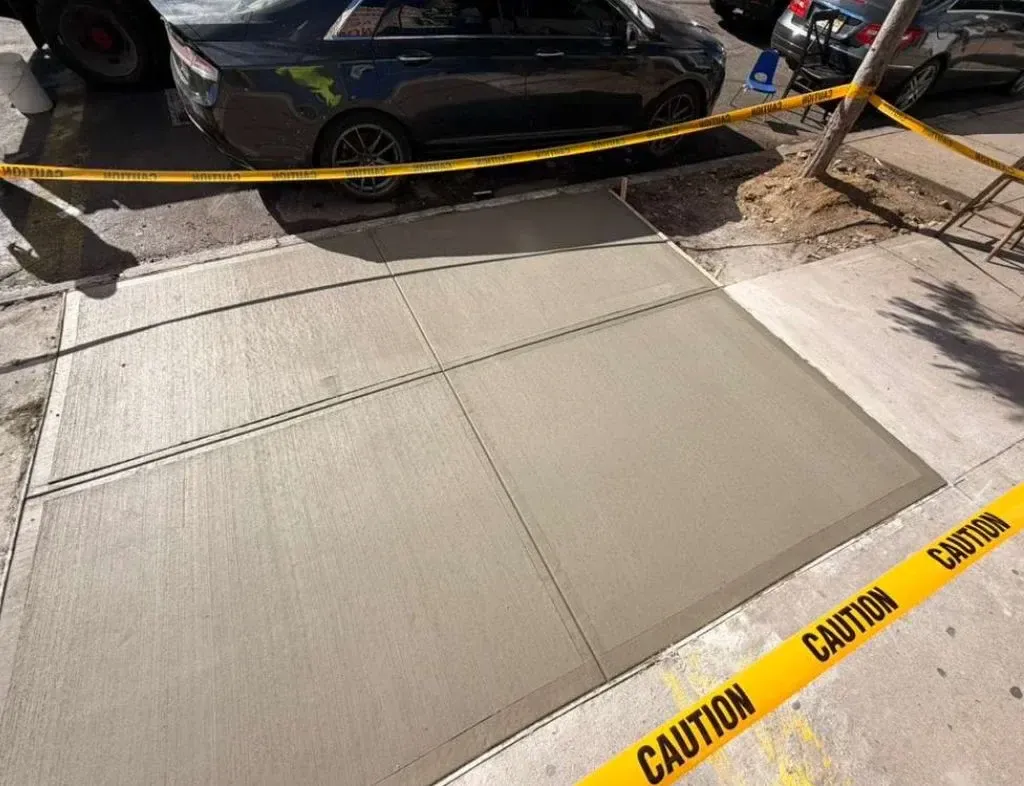
Concrete Replacement
Worn slabs, patios, yards and walkways broken out and poured new on a proper base.
Learn More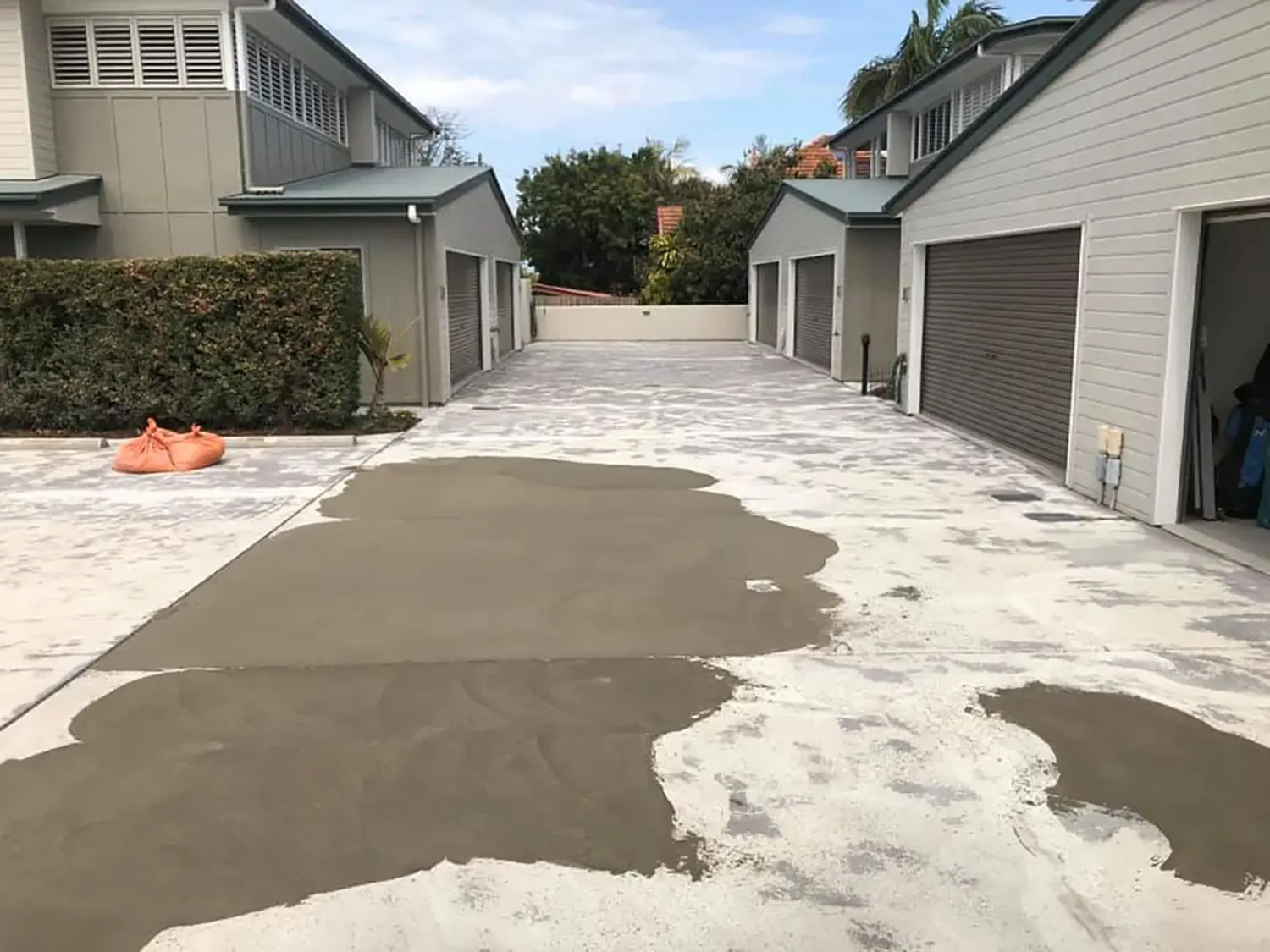
Concrete Driveway Repair
Cracked and sunken driveways and aprons fixed so cars and water move the right way.
Learn More
Foundation Repair
Cracked, bowing and settling foundation walls repaired before the damage spreads.
Learn MoreFAQ
Basement Waterproofing Questions
Exterior work stops water before it reaches the wall. Interior drainage manages water that gets through. On many NYC row houses you cannot dig along every wall, so a mix of both is common.
Not unless it has backup power. A battery backup pump keeps running for a while when storms cut the power. Test it a few times a year.
Paint labeled waterproof may help with light dampness but rarely stops real seepage. On older stone and brick walls, the wrong coating can trap moisture in the wall.
Leaks that come with heavy, fast rain often point to downspouts, grading, window wells or sewer backups. Leaks that follow long wet spells point more to groundwater.
No. A backwater valve is plumbing work for a licensed plumber and generally needs a permit. We will point you to a plumber when that is the fix you need.
Check your address on the current FEMA and NYC flood maps. Coastal areas hit by Hurricane Sandy in 2012 are more exposed, but every block is different.
That powder is salt left behind as water moves through the wall and dries. It means moisture is passing through, even if you never see standing water.
Free on site estimate
Let's Find Where the Water Gets In
Tell us when your basement gets wet and where. We will set up a free visit and a written waterproofing plan.
Contact
Request a Waterproofing Estimate
Share your address and a photo of the wet wall or floor if you can. We will call to set up a free look on site.
- Call us(718) 468-8803
- HoursMon to Sat, 9:00 AM to 6:00 PM
- Free on site estimate with a written price
- Licensed and insured, 25+ years in business
- We handle DOT sidewalk permits
- Serving Manhattan, Brooklyn, Queens and the Bronx
Get Your Free Estimate
Takes about a minute. No cost and no obligation.