
Manhattan Cellar Waterproofing
Basement Waterproofing in Manhattan, NY
Damp townhouse cellars, leaking sidewalk vaults and basements on low lying blocks near the rivers, handled in tight spaces with a clear plan and honest advice.
- Townhouse and tenement cellars
- Interior drains and sump pumps
- Care with access, vaults and landmark rules
What Causes Water in Manhattan Cellars and Basements?
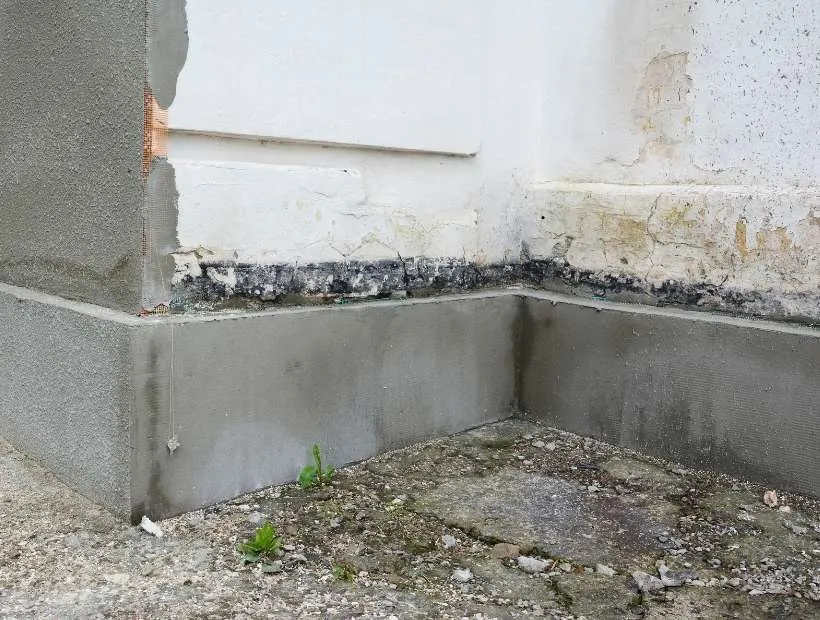
Manhattan cellars get water from groundwater through old walls and floors, leaks at areaways, cellar doors and sidewalk vaults, cracked or worn mortar, and sewer backups in heavy rain. Low lying blocks near the rivers also flood in coastal storms. The source decides the fix.
Townhouses in the West Village, Upper West Side and Harlem sit on stone or brick cellar walls that are more than a century old. Tenements in the East Village and Lower East Side have below grade rooms and old drainage.
Commercial blocks add cellar doors and below grade shops with steps at the sidewalk, and each opening is a place where rain can get in.
Vaults and Areaways
How Do Areaways, Cellar Doors and Vaults Let Water In?
Any opening between the sidewalk and the cellar can leak. An areaway drain that clogs, a cellar door that does not seal, or a cracked vault slab lets rain and snowmelt work their way inside. These entry points are often cheaper to fix than the wall, so they come first.
- An areaway that holds water after storms
- Cellar doors that rust or leak at the frame
- Vault lights and slabs that seep
- Cracks where the sidewalk meets the building
- Downspouts tied into old or blocked lines
Financial District and Tribeca buildings have many sidewalk vaults, vault lights and granite slabs. Whether the vault belongs to your building matters, and work in the public sidewalk area generally needs city permits. Check with the city on current rules.
Which Manhattan Blocks Flooded in Hurricane Sandy?
Low lying blocks along the East River and lower Hudson flooded in Hurricane Sandy in 2012, including parts of the Financial District, Lower East Side, Alphabet City, Kips Bay, Stuyvesant Town and Two Bridges. Waterproofing controls seepage, but it cannot hold back storm surge.
The Financial District saw flooding on Water Street, in the Seaport and in many building basements. Battery Park City and blocks near the Hudson in Tribeca, Hudson Square and the Meatpacking District are low lying too. The city has coastal resiliency projects in some of these areas.
Many inland Manhattan neighborhoods have no particular flood exposure beyond heavy rain. Look up your own address on the current FEMA and NYC flood maps before planning work.
What Should Owners in Low Lying Manhattan Areas Plan For?
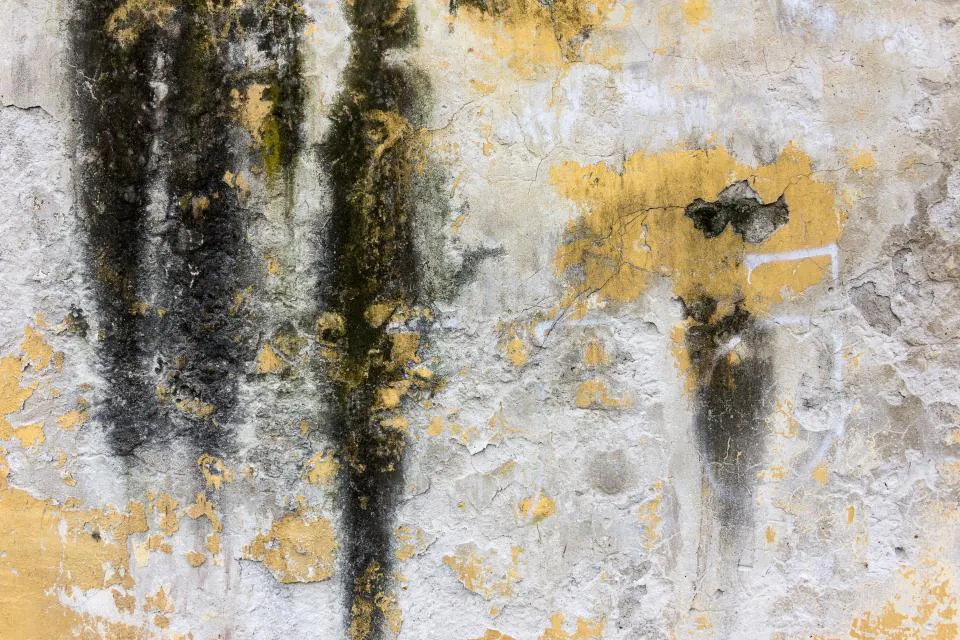
A sensible plan mixes everyday seepage control with steps that limit damage in a flood: a sump pump with battery backup, a backwater valve installed by a plumber, finishes that tolerate wetting, and boilers, meters and electrical panels kept up high where the building allows it.
Flood zone rules can be strict, especially for substantial basement work in a mapped area. Confirm current DOB requirements before you renovate. In a co op or condo, the board or managing agent usually controls work on building systems and structure.
Townhouse owners deal with a different kind of problem. Their cellars rarely see surge. They see steady dampness and heavy rain leaks, and interior drains, wall repair and drain work around the areaway usually do the job.
Which Waterproofing Method Fits a Manhattan Townhouse Cellar?
Often a mix. Outside drainage fixes come first. Stone and brick walls need sound joints, and old cellars with seepage along the floor often take an interior drain with a sump pump. Exterior membranes are possible only where you can dig, which is rare on a lot line.
| Manhattan situation | What usually makes sense |
|---|---|
| Areaway holds water | Clear or replace drain, fix slope |
| Damp stone or brick wall | Repoint joints, control moisture |
| Seepage along the floor edge | Interior drain and sump pump |
| Vault or sidewalk leak | Repair slab and joints, city permits as required |
| Water from floor drains in a storm | Licensed plumber, backwater valve |
Landmarked buildings can limit visible changes. In historic districts such as Greenwich Village, Tribeca and the Upper West Side, exterior work at the front can involve the Landmarks Preservation Commission.
When Is a Plumber the Right Call for Water in a Manhattan Basement?
If water or sewage comes up through floor drains, toilets or tubs during heavy rain, the sewer is backing up. Wall work does not fix that. A licensed plumber is the right call, and a backwater valve on the sewer line is often what they discuss.
A backwater valve is plumbing work and generally needs a permit. We are not plumbers, and we say so when that is what you need. Check with NYC DEP or 311 for current guidance on sewer backups. A leaking supply or drain pipe inside the wall or ceiling is also plumbing, and a plumber should look at it before anyone seals a wall.
Step by Step
How Does a Manhattan Waterproofing Job Run?
A visit finds the source. You get a written plan, entry point and drainage fixes come first, then wall and floor work, and pumps are tested before the cellar is handed back. Debris leaves through the building, so access is planned early.
Find the source
Walls, floor, areaway, vault, doors and drains are checked.
Written plan
Price by method, with a note if a plumber or a permit is involved.
Entry points first
Areaway drains, doors and slabs are fixed where they let water in.
Wall and floor work
Joints, injection, coatings or interior drains and pumps as planned.
Test and clean up
Pumps run, drains flushed and the space cleaned.
Pricing
What Affects the Cost of Basement Waterproofing in Manhattan?
Cost depends on the cellar size, method, access through the building, hauling debris, pumps and any permits or landmark steps. A short areaway repair and a full interior drain with pump are worlds apart. Each job is priced in writing after a visit.
Cellar size
More wall and floor edge means more work.
Access
Stairs, low ceilings and carrying debris out add time.
Method
Interior drains, coatings or exterior work differ in scope.
Pumps
Pit, pump, backup power and a discharge route.
Vaults and sidewalk
City permits can apply to work at the public sidewalk.
Landmark rules
Visible work in a district may need approval.
Your Manhattan waterproofing price: in writing after a free visit.
Request Your QuoteNeighborhoods
Manhattan Neighborhoods Where We Waterproof Basements
Choose your neighborhood for notes on cellars and water conditions.
- Alphabet City
- Battery Park City
- Carnegie Hill
- Chelsea
- Chinatown
- Civic Center
- East Harlem
- East Village
- Financial District
- Flatiron District
- Gramercy Park
- Greenwich Village
- Hamilton Heights
- Harlem
- Hudson Heights
- Hudson Square
- Inwood
- Kips Bay
- Koreatown
- Lenox Hill
- Lincoln Square
- Little Italy
- Lower East Side
- Manhattan Valley
- Marble Hill
- Meatpacking District
- Midtown
- Midtown East
- Midtown South
- Morningside Heights
- Murray Hill
- NoHo
- Nolita
- Roosevelt Island
- SoHo
- South Harlem
- Stuyvesant Town
- Sutton Place
- Theater District
- Tribeca
- Two Bridges
- Union Square
- Upper East Side
- Upper West Side
- Washington Heights
- West Harlem
- West Village
- Yorkville
No neighborhood matches that name. Call (718) 468-8803 and we will tell you if we cover your block.
Other Boroughs
Basement Waterproofing Beyond Manhattan
See the NYC waterproofing hub for borough differences, or the service overview.
Source before method
The plan follows where the water enters.
Honest referrals
When a plumber is the right call, you hear that first.
Licensed and insured
Construction, injury and workers compensation insurance, and 25+ years in NYC.
FAQ
Manhattan Waterproofing Questions
Often, yes. With a shared lot line, interior drains and sound wall joints are the usual approach. Exterior work is possible only where there is ground to dig.
It depends on whether the vault belongs to your building and what is leaking. Work in the public sidewalk area generally needs city permits, so confirm current rules before starting.
Usually the board or managing agent controls building work. Talk to management first. We can give them a written plan after a visit.
Much of lower Manhattan flooded in Hurricane Sandy, but each address differs. Check the current FEMA and NYC flood maps and confirm DOB rules for basement work.
No. That is plumbing work for a licensed plumber and generally needs a permit. We refer you when that is the fix.
Yes. We serve the Manhattan neighborhoods listed above. Call (718) 468-8803 or send the form for a free visit.
Free on site estimate
Get a Plan for Your Wet Cellar
Tell us where the water shows up in your Manhattan building. We will visit and write up a plan.
Contact
Request a Manhattan Waterproofing Estimate
Share your address and a photo of the wet wall or floor. We will call to arrange a free look.
- Call us(718) 468-8803
- HoursMon to Sat, 9:00 AM to 6:00 PM
- Free on site estimate with a written price
- Licensed and insured, 25+ years in business
- We handle DOT sidewalk permits
- Serving Manhattan, Brooklyn, Queens and the Bronx
Get Your Free Estimate
Takes about a minute. No cost and no obligation.