
Wingate Wet Basement Help
Basement Waterproofing in Wingate, Brooklyn
Leaking walls, damp floors and rainy day seepage stopped in the basements of Wingate brick row houses and pre war apartment buildings.
- Interior drainage, sump pumps and crack injection
- Exterior fixes for grading and downspouts
- Written price after a free visit
Why Do Basements Leak in Wingate?
Basements in Wingate leak because heavy rain saturates the soil and water finds cracks, joints and porous masonry. Poor grading, downspouts that discharge beside the wall and sewer backups add to the problem. The area is inland, so the cause is rain and drainage, not tidal flooding.
Wingate is a small pocket around Wingate Park, with brick row houses and pre war apartment buildings. Many have basements or cellars below grade, built with masonry walls that were not designed with modern waterproofing in mind.
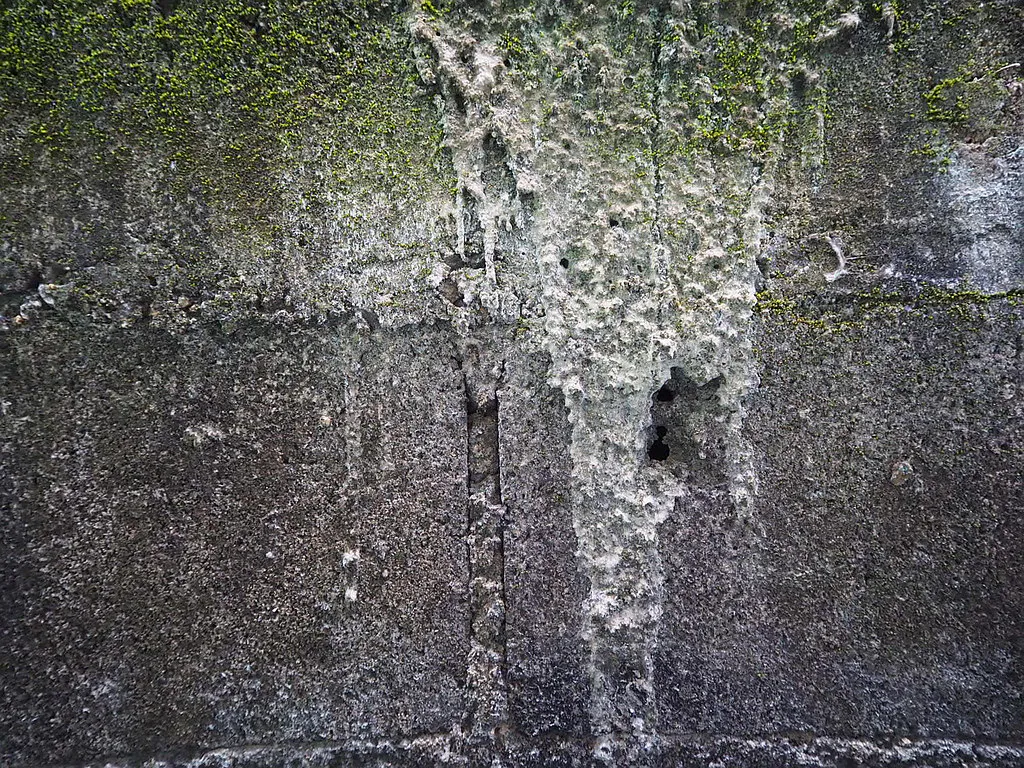
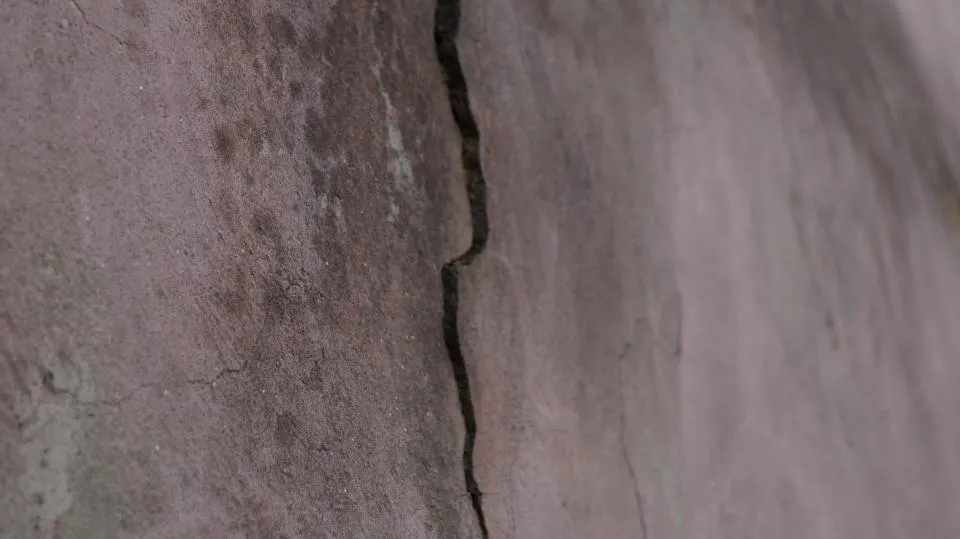
Older brick and stone walls absorb moisture, and mortar joints open with age. Water pushes through those joints when the ground is wet. The signs are damp patches, white mineral deposits, peeling paint, a musty smell and puddles along the wall after a storm.
Not every wet basement has the same source. Finding out whether the water comes through the wall, up through the floor or back up the drain decides which fix will work.
Which Waterproofing Method Fits a Wingate Basement?
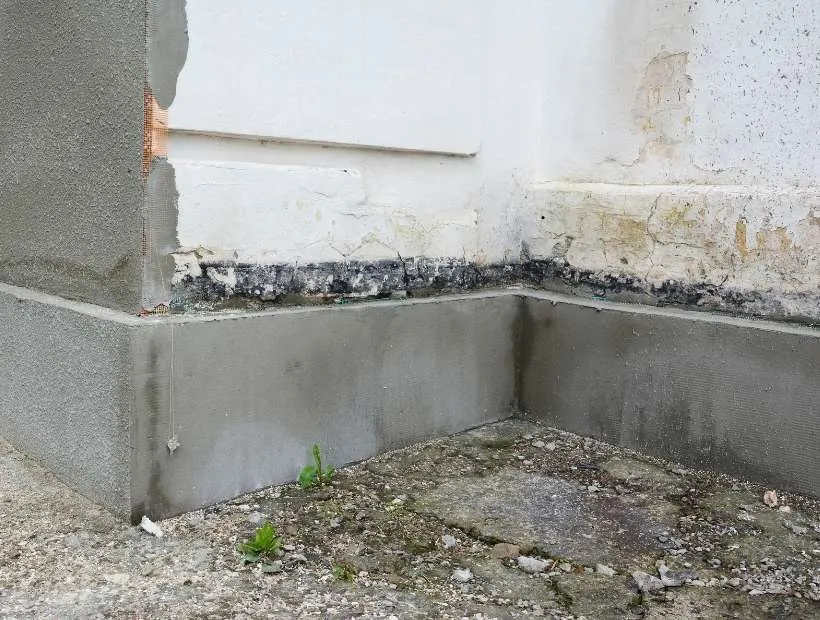
Interior drainage with a sump pump manages water that reaches the basement. Crack injection and wall coatings stop specific leaks. Exterior membranes and grading fixes keep water away from the wall. The right choice depends on where the water enters and how the building is built.
| Problem | Method | Notes |
|---|---|---|
| Water at the wall and floor joint | Interior drainage and sump pump | Collects water and moves it out |
| Single crack that leaks | Crack injection | Seals a defined leak |
| Damp, porous masonry | Wall coating and repair | Works with sound walls |
| Water reaches wall from outside | Grading, gutters, exterior membrane | Needs excavation for membranes |
| Water from the floor drain | Backwater check and drain work | Related to sewer backups |
We explain what each method does and does not do. No system removes the need to manage roof and yard water, so we look at gutters and grading too.

What Does Interior Drainage Involve?
A channel is cut along the base of the basement wall, a drainage system is set in it, and water is directed to a sump pit where a pump sends it out of the building. The floor is patched over. The system catches water before it spreads across the basement.
In a Wingate row house, the job is usually along one or two walls, depending on where the water enters. An apartment building basement is a longer run and may include a larger pump or a backup unit.
The work is done from inside, so you do not need to dig up the yard. The trade off is that the wall itself still gets wet, which is why we also look at exterior water sources.
Water on Your Basement Floor After Rain?
Tell us where it shows up. We will look at the wall, floor and drainage and explain the options.
Can Sewer Backups Flood a Wingate Basement?
Yes. In heavy rain, sewers in many Brooklyn neighborhoods can back up through floor drains and low fixtures. That is different from groundwater seeping through walls, and it needs a different fix. Check the source before you choose a waterproofing system.
Wingate has no special flood exposure beyond heavy rain sewer backups. If water rises from a floor drain or a basement toilet during a storm, the wall and floor may be fine. The problem is the line.
We look at the floor drain, the backwater situation and what your plumber says. We can coordinate with a licensed plumber where the fix is in the plumbing. Waterproofing cannot replace a needed sewer repair.
What Affects Basement Waterproofing Cost in Wingate?
Cost depends on the size of the basement, whether the fix is inside or outside, how much of the wall is affected, the pump and drainage requirements, excavation needs and access. We write the price after a free visit, never from a phone call.
An interior system along one wall is smaller than a full perimeter. Exterior work on a row house is often limited by the tight side yard or the neighbor line. That can change which approach is practical.
Finished basements affect scope too. If walls and floors are covered, we plan how to open and restore them. We talk through these details before you sign anything.
What Can I Do Outside to Keep Water Out of My Basement?
Direct downspouts away from the wall, keep gutters clear, slope the yard away from the house and repair cracked slabs and walkways that let water run toward the foundation. These low cost steps reduce the water your basement has to handle.
On Wingate row house lots, yards are small, so it is easy for water to end up against the back wall. A slab that pitches toward the house sends every rain to the same spot.
We can repair the concrete or extend downspouts as part of the same job, or we can just point them out. Either way, you leave the visit knowing where your water comes from.
How Should Apartment Building Owners in Wingate Approach Basement Water?
Start with a record of where and when water appears, then have the walls, floor drains and roof drainage inspected together. Building basements hold boilers, meters and storage, so a fix should protect equipment first and keep the building running during the work.
Larger buildings often have long foundation walls and older sumps. Pumps wear out, and a backup pump or alarm can prevent a small leak from becoming a flooded boiler room. We can advise on what suits your layout.
We plan work in phases and coordinate with your superintendent. A written scope gives your board or management company a clear basis for approval.
Is a Musty Smell or Peeling Paint a Sign of a Bigger Problem?
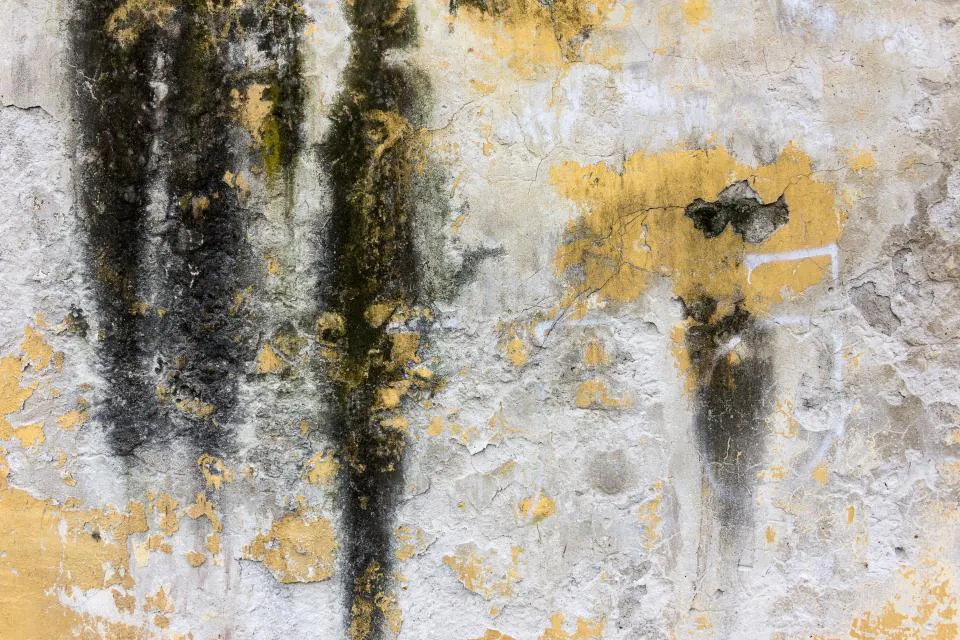
It can be. A musty smell, peeling paint and white powder on masonry all mean moisture is present. They may be minor, but repeated dampness can lead to mold, weakened mortar and damaged stored items, so it is worth finding the source.
A dehumidifier can help with comfort, but it does not stop water coming in. If dampness returns after every storm, treat the cause instead of the symptom.
Steps
A Wingate Waterproofing Job From Start to Dry Basement
Find the source
We check walls, floor, drains, gutters and grading.
Recommend a method
You get a written scope and price for the best fit.
Prepare
We protect the space and open the floor or wall where needed.
Install
Drainage, pump, coating or sealing goes in.
Test and explain
We show you how the system works and what to maintain.
Nearby
Basement Waterproofing Near Wingate
We also dry out basements in the neighborhoods around Wingate.
FAQ
Wingate Basement Waterproofing Questions
Note when it appears. Water only after rain often points to walls, grading or drainage. Water rising from a drain points to the sewer line. We check both.
If water collects on the floor, a sump pump moves it out. We tell you if your basement needs one and what size makes sense.
Often yes. Interior drainage does not need yard excavation. It manages water after it enters, so exterior fixes may still help.
Some work can. Structural or exterior excavation may need DOB permits. Confirm current rules with the city.
No. Backups come through drains and need a plumbing or backwater solution. We can help identify the source.
Yes. We visit and give a written price at no cost. Call (718) 468-8803.
Contact
Request Your Wingate Waterproofing Quote
Tell us where the water shows up and when. Photos of the basement walls and floor help.
- Call us(718) 468-8803
- HoursMon to Sat, 9:00 AM to 6:00 PM
- Free on site estimate with a written price
- Licensed and insured, 25+ years in business
- We handle DOT sidewalk permits
- Serving Manhattan, Brooklyn, Queens and the Bronx
Get Your Free Estimate
Takes about a minute. No cost and no obligation.