
Glendale Wet Basement Repair
Basement Waterproofing in Glendale, Queens
Leaking walls, damp floors and rain that finds its way in, stopped at the cause for Glendale brick and frame homes.
- Interior and exterior methods
- Drainage, cracks and sump pumps
- Written price after a free visit
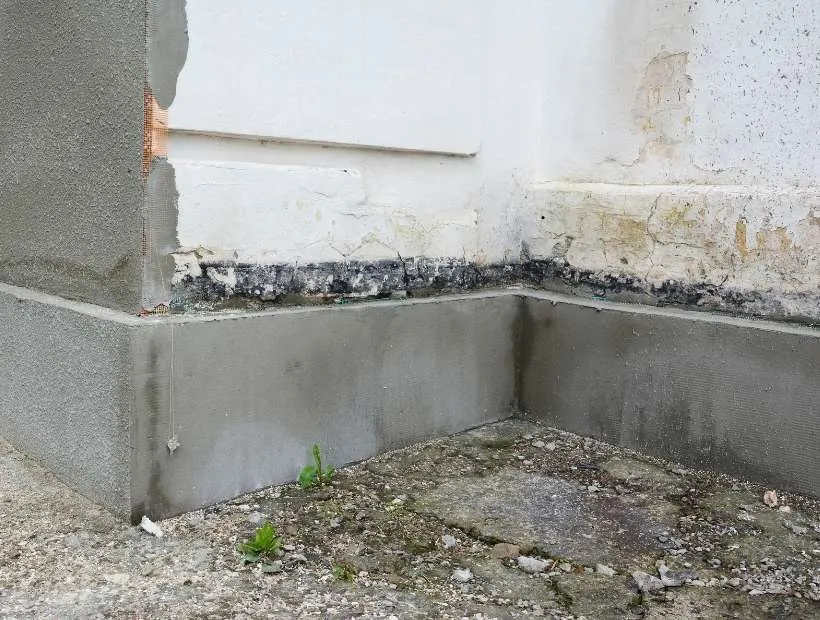
Why Do Glendale Basements Get Wet?
Water gets in through cracks in the walls and floor, through the joint where the wall meets the floor, around old pipe openings and through window wells. Heavy rain, poor grading and downspouts that dump next to the house push water against the foundation.
Glendale is inland and has no particular flood exposure beyond heavy rain and sewer backups, so most basement water here is a drainage and wall problem and not a coastal flood problem. That is good news, because those can be fixed.
The house stock is mostly attached and semi detached brick and frame homes, many with finished or partly finished basements. People use that space for laundry, storage or a second apartment, so moisture matters.
Many of these houses have driveways running along a basement wall. If the driveway slopes toward the house, rain runs straight to the foundation.
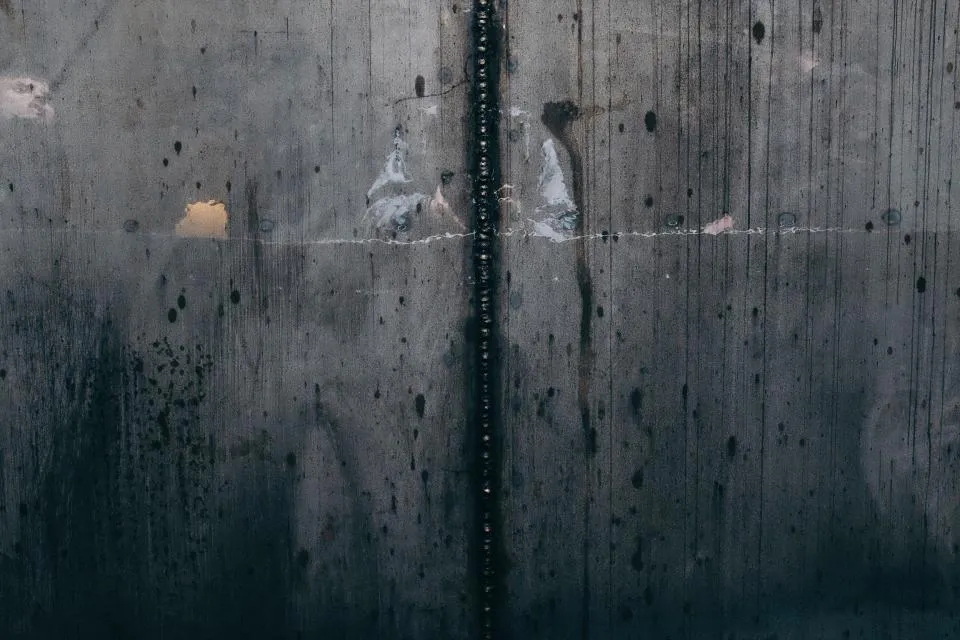
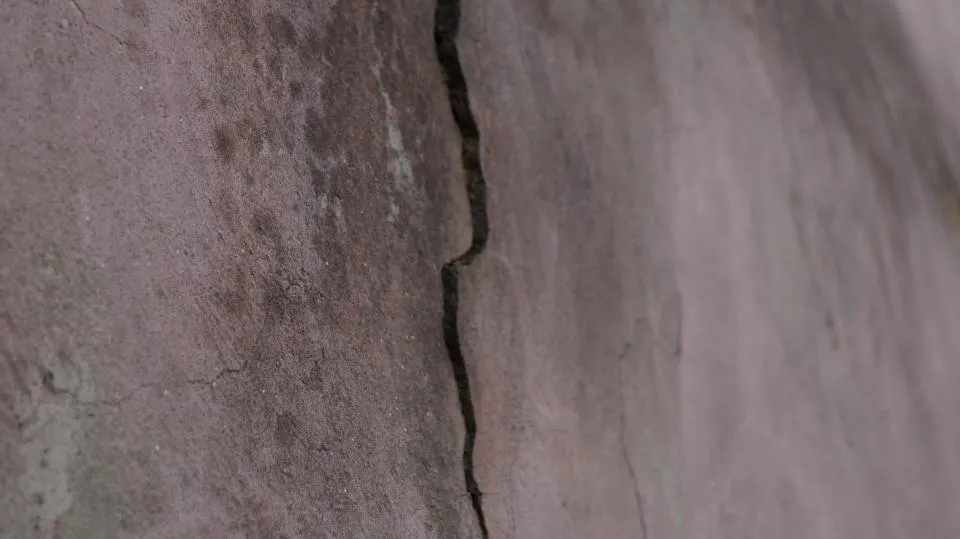
Find the Source
How Can You Tell Where the Water Comes From?
Look at the pattern. Water at one crack after rain suggests a wall leak. A damp line around the floor edge points to groundwater pressure. Water from a floor drain or toilet area can mean a sewer backup. Each cause needs a different fix.
Tape a square of plastic wrap to a wall and check it in a day or two. Moisture on the wall side of the plastic comes from outside, and moisture on the room side is condensation.
Note when it happens. Leaks only after heavy rain point to surface water and grading. Leaks that linger for days point to groundwater.
Which Waterproofing Method Fits a Glendale Basement?
The right method follows the source. Cracks can be injected or sealed, interior drainage and a sump pump handle groundwater, wall coatings help with dampness, and exterior membranes and grading fixes stop water before it reaches the wall. Often a combination works best.
| Problem | Method |
|---|---|
| Single crack leaking | Crack injection or sealing |
| Water at the wall and floor joint | Interior drainage to a sump |
| Damp, chalky walls | Surface repair and wall coating |
| Rain pouring in at one side | Exterior membrane or regrading |
| Water at a window well | Repair the well and its drain |
| Standing water after storms | Sump pump and backup plan |
Interior systems are the least disruptive and keep the yard intact. Exterior work means digging along the wall, which is harder on a narrow lot but treats the water before it reaches the foundation.
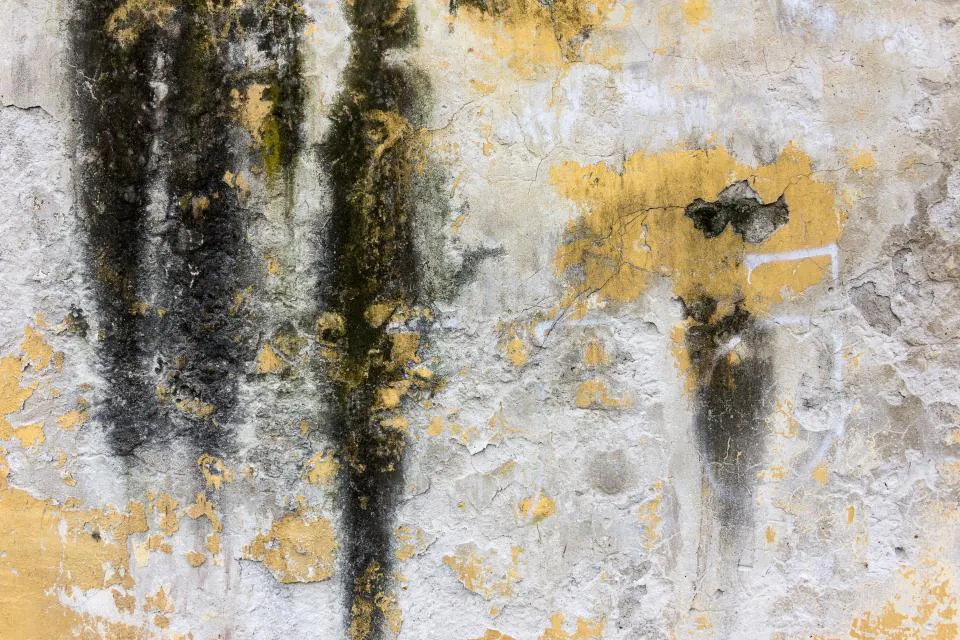
Do Waterproofing Jobs Need Permits?
Interior sealing, coatings and many drainage jobs often do not, while exterior excavation, structural wall repair and plumbing connections can involve the Department of Buildings. Work that touches the public sidewalk follows the DOT process. Confirm the current rules with the city for your project.
Sump pump discharge also needs thought. Water should be sent to a place that does not cause trouble for the neighbor or the sidewalk, and city rules apply to where it may drain.
If your problem is a sewer backup, the fix may be plumbing work and not waterproofing. We tell you when a plumber is the right call.
Water in the Basement After Every Storm?
Send a photo of the wet spot and tell us when it shows up. We will schedule a visit.
What Should You Do While the Basement Is Wet?
Move stored items off the floor, run a dehumidifier, point downspouts away from the house and check that the ground slopes away from the walls. Keep electrical equipment out of standing water. These steps limit damage while you wait for a proper repair.
Check your gutters first. A clogged gutter spills water down the wall, and that alone can fill a basement in a storm.
Basements in two family houses are often rented or finished, so a leak affects a tenant as well as the owner. If that is your situation, mention it when you call so we can plan around the space.
Take photos each time water appears and note the date and the weather. That record helps us diagnose the cause quickly.
Mold grows in damp spaces within days. If you see it spreading, treat the water source first, since cleaning without fixing the leak does not last.
The Plan
A Glendale Waterproofing Job from Start to Dry
Find the source
We check walls, floor, drains and grading outside.
Written price
You get the method and the scope in writing.
Prepare
Floors and belongings are covered and the work zone is marked off.
Install
Cracks are treated and drainage or pumps go in.
Test and finish
We check the system and restore the surfaces.
Nearby
Waterproofing Near Glendale
We waterproof basements in the neighborhoods around Glendale too.
FAQ
Glendale Basement Questions
If water collects under the floor or rises after heavy rain, a sump pump moves it out. We tell you whether your basement needs one after we see how the water behaves.
Often yes. Interior drainage and crack repair work for many basements. If the water is coming from a specific outside source, exterior work may help more.
Not quite. Dampness can be vapor or condensation, while a leak is liquid water entering. We check which one you have before suggesting work.
That points to plumbing, not wall leaks. We tell you when a plumber is the right call and look at the rest of the basement separately.
Yes. Call (718) 468-8803. We visit, look at the basement and write up a free estimate.
Contact
Request Your Glendale Waterproofing Quote
Describe where the water appears and when. A photo of the wall and floor helps.
- Call us(718) 468-8803
- HoursMon to Sat, 9:00 AM to 6:00 PM
- Free on site estimate with a written price
- Licensed and insured, 25+ years in business
- We handle DOT sidewalk permits
- Serving Manhattan, Brooklyn, Queens and the Bronx
Get Your Free Estimate
Takes about a minute. No cost and no obligation.