
Cobble Hill Steps Repair
Steps Repair in Cobble Hill, Brooklyn
Cracked treads, open joints and loose iron rails repaired on Cobble Hill stoops, from Clinton Street to Henry Street.
- Stone, brick and concrete steps
- Rail posts reset and secured
- Free visit with a written price

Why Do Cobble Hill Stoops Crack and Loosen?
Water and time. Rain and snow get into open joints, freeze, and pry stone and brick apart. Iron railing posts rust inside their sockets and split the tread around them. Winter salt adds to the wear, and a century of feet does the rest.
Cobble Hill has many 19th century brownstone and brick row houses, and their stoops are original or close to it. Stone treads wear into a slight dish and hold water. Mortar between risers washes out. Iron fences and railings run beside the steps and add stress where they are anchored.
Areaways below the stoops stay damp, so the underside of the stairs is often wetter than the top. You may see staining or flaking stone under the steps long before the surface looks bad.
Mature trees on most blocks drop leaves that clog drainage at the base of the stoop, keeping the bottom steps wet in autumn and winter.
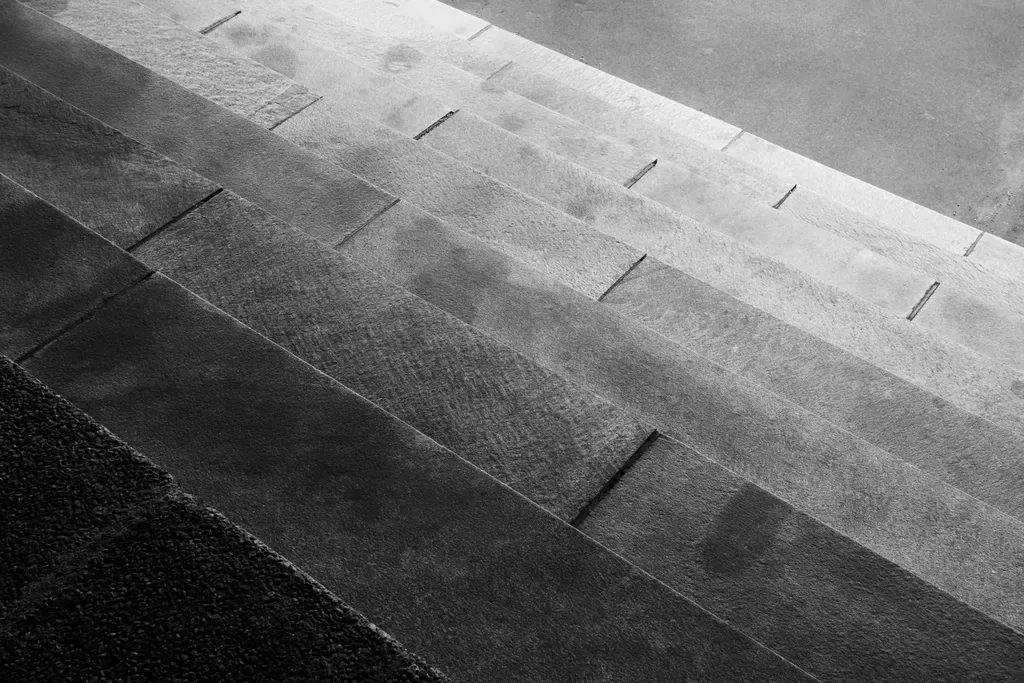
Can a Damaged Brownstone Stoop Be Repaired Instead of Replaced?
Often it can. Open joints are repointed, cracked treads are repaired or replaced individually, and loose rails are reset. A full rebuild is needed only when the base has failed, the stoop walls are pulling away or the steps have sunk. An inspection separates those cases.
Keeping original stone in place is usually better, both for looks and for the historic district. Replacement means new material that may not weather to match the neighbors.
We check joints, tap treads, test the rail posts and look at the underside from the areaway. The written scope lists what needs work and what can wait.
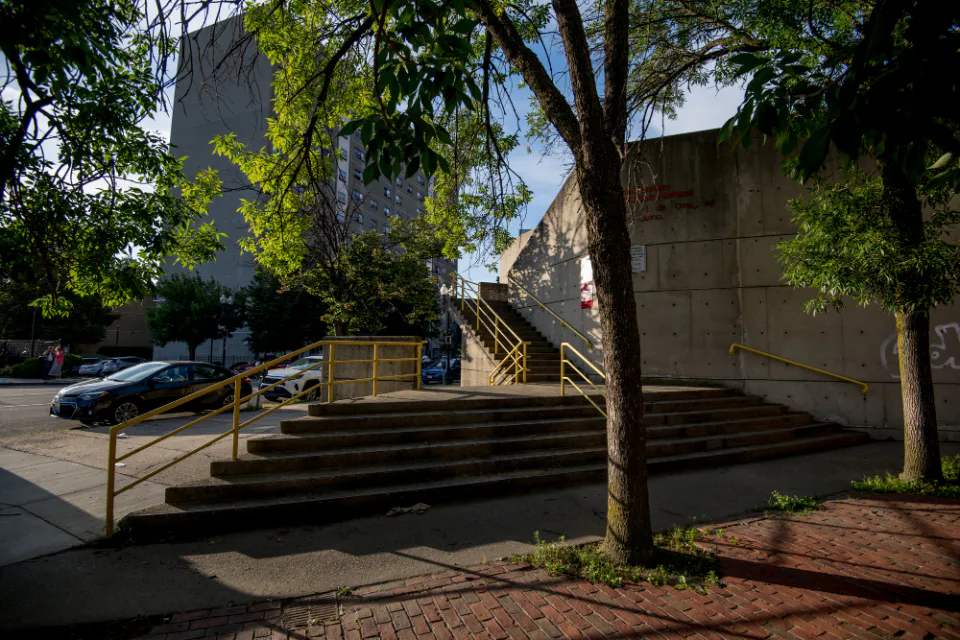
Wobbling Rail or Rocking Tread in Cobble Hill?
Have someone look at it before winter. Send a photo or book a visit.
What Repairs Do Cobble Hill Steps Usually Need?
The common repairs are repointing joints, resetting or replacing treads, repairing stoop walls and re anchoring railings. The right one depends on what the step is made of and how deep the damage goes. We match each problem with the smallest repair that will last.
| Problem | What We Do |
|---|---|
| Open mortar joints between risers | Cut out old mortar and repoint with a matching mix |
| Cracked or dished stone treads | Repair the tread or replace it on a sound base |
| Rusted iron rail posts | Reset the post in fresh material so the rail is firm |
| Stoop walls bulging or separating | Take down the failed section and rebuild it in matching masonry |
| Water staining under the stoop | Find the leak, repair the joints above and improve drainage |
Brick steps need the same care with mortar as a brick wall. Concrete steps are patched or rebuilt depending on the base.
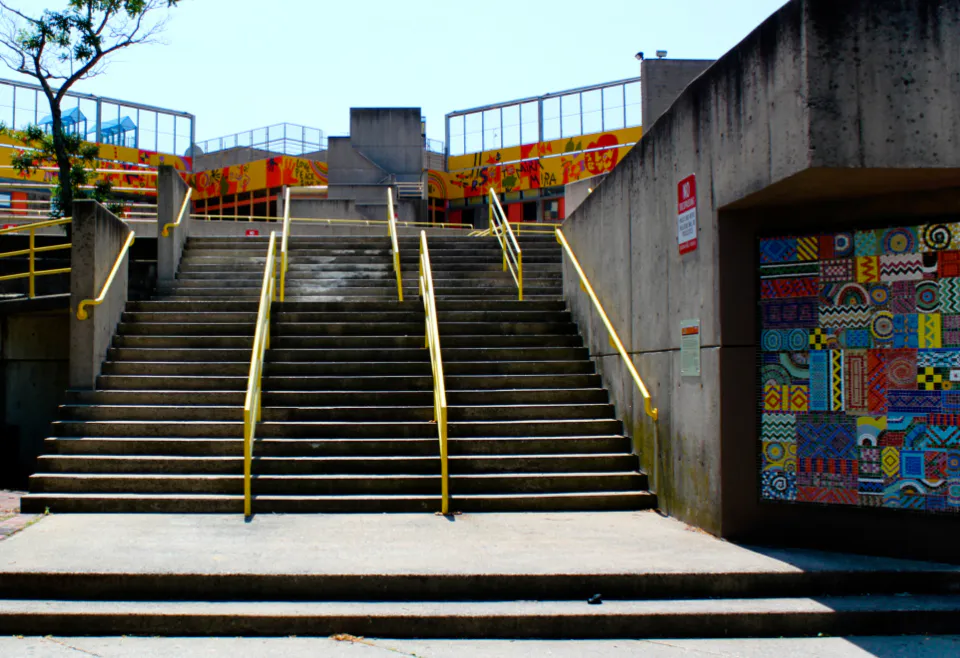
Do Cobble Hill Stoop Repairs Require Landmark Approval?
They can. Cobble Hill Historic District, with its extension, covers many of the older blocks, and work on stoops, facades and areaways can require Landmarks Preservation Commission approval. Repairs in kind are treated more lightly than replacement with new material. Check with the city on the current rules.
Tell us at the first visit if your building is in the district. We will describe the work in terms the Commission understands, such as resetting a tread or repointing to match.
We do not decide what the city approves and we do not promise approval. The goal is a repair that keeps the stoop looking like it belongs on the block.
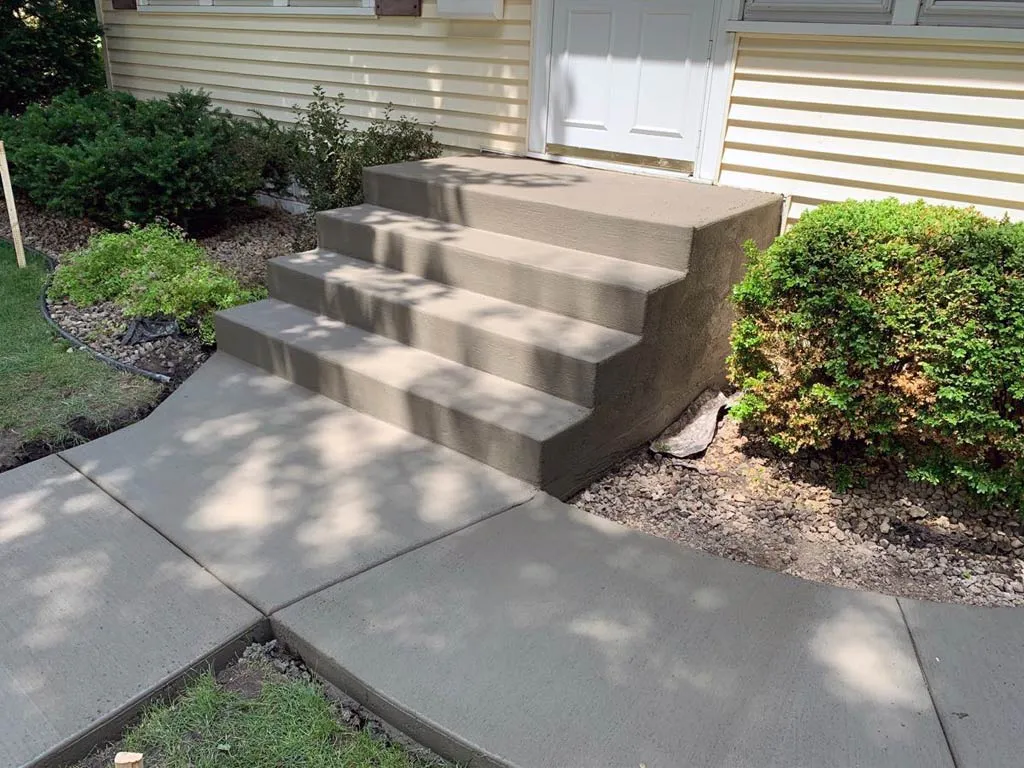
What Affects the Cost of Stoop Repair in Cobble Hill?
Price follows the count of steps, the material, the amount of railing work, the state of the base and any approvals. Brownstone treads cost more to replace than concrete. Your written price comes after a free visit, so you know the scope first.
A short stoop with joint work is a modest job. A full rebuild with new stone treads is a much bigger one. Landmark review can add time even when it does not add cost.
Timeline
How Long Is a Cobble Hill Stoop Out of Use During Repair?
Joint and rail work is quick and often leaves the door usable. A rebuild closes the steps until the material sets. We plan around your schedule and tell you in advance when the front entry will be blocked, and whether the garden level door can serve.
Free visit
We check treads, risers, joints and rails.
Written price
A scope, with any approval needs.
Open up
Failed material is removed with care.
Repair or rebuild
Joints repointed, steps set, rails secured.
Cure
The stoop stays closed while material sets.
Nearby
Stoop Repair Near Cobble Hill
We also repair steps in the neighborhoods around Cobble Hill.
FAQ
Cobble Hill Stoop Questions
Not necessarily. The post has likely rusted at its base. We reset it in fresh material without rebuilding the steps.
Often yes, if the base beneath is sound. We check the base before recommending it.
Water is getting through open joints above. Repointing and better drainage usually stop it.
We match mortar color and joint style as closely as we can. New work looks fresher until it weathers.
It can be required in the historic district for visible changes. Confirm with the city before starting.
They are often done together, since scaffold or access for one helps the other. We look at both at the visit.
Yes. You get a free inspection of the steps and a written scope before any work is planned. Give us a call at (718) 468-8803 to set up a visit.
Contact
Request Your Cobble Hill Stoop Quote
Tell us what looks loose, cracked or worn. A photo of the steps and rail helps.
- Call us(718) 468-8803
- HoursMon to Sat, 9:00 AM to 6:00 PM
- Free on site estimate with a written price
- Licensed and insured, 25+ years in business
- We handle DOT sidewalk permits
- Serving Manhattan, Brooklyn, Queens and the Bronx
Get Your Free Estimate
Takes about a minute. No cost and no obligation.