
Bayswater Stoops and Steps
Steps Repair in Bayswater, Queens
Salt air, wet weather and old construction wear out entry steps quickly on the bay side of the Rockaways. We repair treads, landings and railing posts so the way in stays safe.
- Concrete, brick and stone steps
- Rail posts anchored in sound concrete
- Free visit and written price
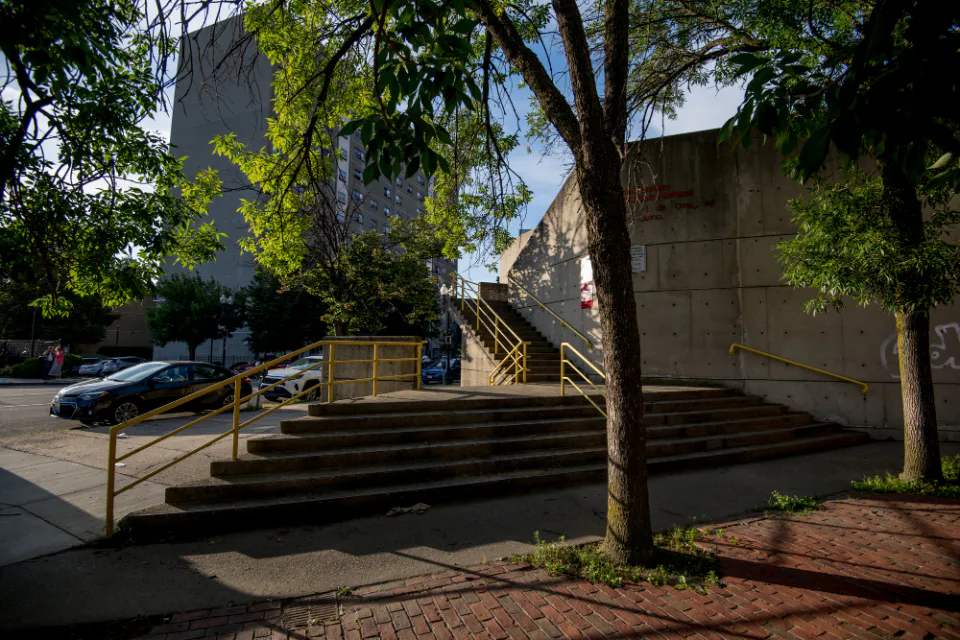
Why Do Front Steps Deteriorate So Quickly in Bayswater?
Steps sit outside in every kind of weather, and in Bayswater that weather includes salt air and frequent damp. Salt pits concrete and corrodes the steel in railings and reinforcement. Water enters cracks, freezes in winter and pushes pieces apart, so small flaws become loose treads and crumbling edges.
The area has detached one and two family houses, including some large older homes near the bay, plus attached homes and apartment buildings toward Far Rockaway. Many of these have several steps up to the front door or a small stoop.
Flooding in past storms adds another problem. Steps that sat in floodwater may have lost soil beneath them, so the bottom tread drops while the top stays put and a gap opens beside the house.
Salt from the air and from winter treatments settles on every step. It works into the surface and, over time, into the steel of a railing or the rebar inside the concrete. Rust swells, cracks the concrete around it and leaves the familiar brown stain that shows where trouble is starting.
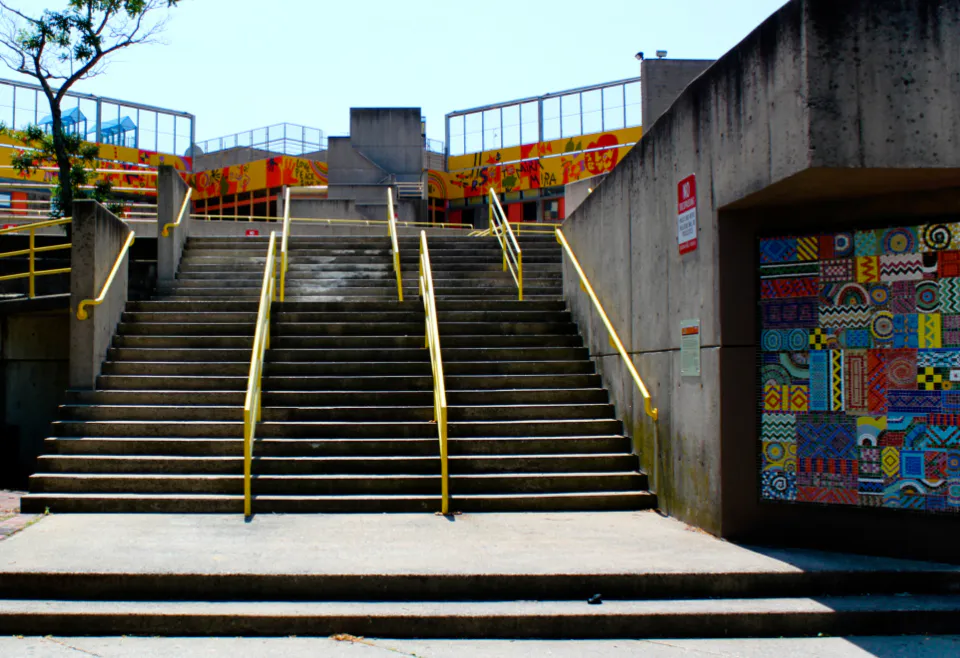
Which Step Problems Need a Repair and Which Need a Rebuild?
Surface chips, small cracks and worn edges are often repaired in place. A tread that has split through, dropped or pulled from the house should be rebuilt. If the landing has settled and water runs toward the door, it should be reset. We judge the whole run of steps before we quote.
| Problem | Likely cause | Our fix |
|---|---|---|
| Chipped nose on a tread | Impact and freeze damage | Patch with bonding material |
| Tread split across | Settlement or trapped water | Break out and pour a new tread |
| Gap at the house wall | Soil washed from under the steps | Rebuild the base and reset the steps |
| Wobbly railing post | Rust and cracked concrete | Repair the concrete and reset the post |
| Scaled, flaky surface | Salt and repeated wetting | Resurface or replace the tread |
Brick and stone steps, where they exist, have their own repair path. Loose bricks are reset and open joints are repointed, and treads that are cracked are replaced with a matching material when possible.
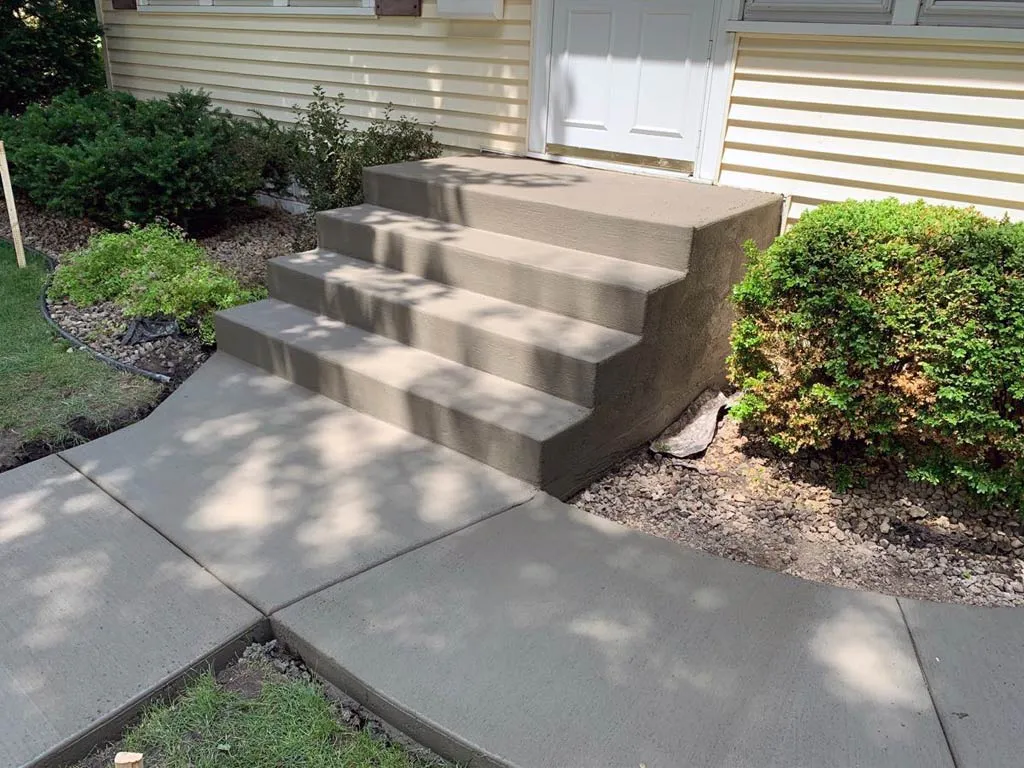
Can a Bayswater Stoop Be Made Safe Without Full Replacement?
Often it can. If the base is sound and the damage is local, replacing one tread or rebuilding one edge is enough. A stoop that has shifted, undermined or split needs a rebuild. We tell you which case you have and show you the damage so the decision is clear.
Safety hinges on details that are easy to overlook. Riser heights should be even, treads should not tilt toward the house, and the rail should be firm when you lean on it. Uneven risers are a fall risk, especially in wet or icy weather.
The DOT sidewalk permit generally is not needed for steps that sit wholly on your lot. If a landing or step reaches into the public sidewalk, that part does need one. Structural work can also involve the Department of Buildings, so confirm current rules with the city. We take care of permits for the work we do.
Older houses near the bay sometimes have steps that were added or altered over the years, with mismatched concrete and metal railings of different ages. We treat the whole entrance as one project so the result looks and works as a unit.
Owners of apartment buildings and attached homes should think about who uses the steps. Deliveries, strollers, older residents and visitors all rely on even risers and a solid rail. A step that is only slightly off can still cause a fall, so we treat small differences in height seriously.
We can also talk about surface texture. A light broom finish gives wet shoes more grip than a smooth trowel finish, and it is a simple choice to make while the concrete is fresh.
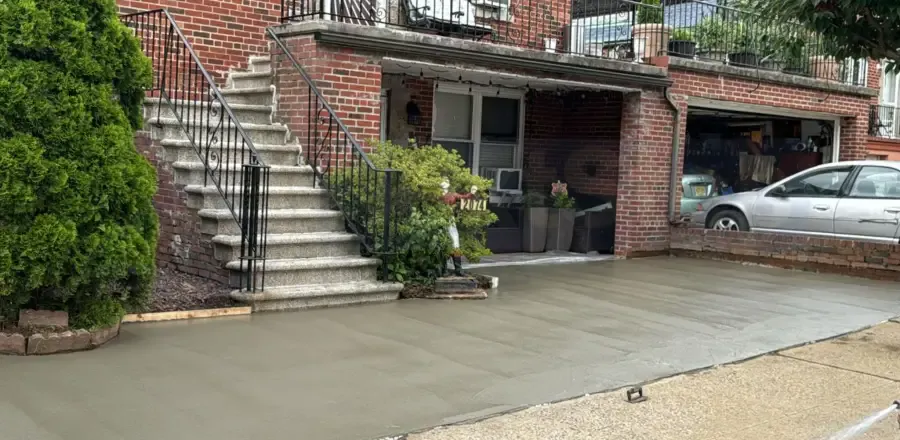
Loose Tread or Shaky Rail at Your Door?
Arrange a visit and we will look at the steps, the landing and the railing.
Timeline
How a Bayswater Step Repair Unfolds
Look and measure
We inspect each tread, the landing and the rail, and we check what is under the steps.
Scope in writing
You receive a clear list of what is repaired, rebuilt or replaced.
Demolition
Failed concrete or brick is removed, and the base is corrected.
Rebuild
New treads and landings are formed, poured or set, and rail posts are anchored.
Cure and finish
We keep the steps closed while they set and tell you when they are ready.
Nearby
Steps Repair Near Bayswater
We also repair steps across the neighboring parts of the peninsula.
FAQ
Bayswater Step Repair Questions
Yes. Salt air pits concrete and rusts steel, and moisture speeds every other kind of damage. Good concrete, a proper finish and a sloped surface that drains help steps last.
Yes, if the rest of the steps are sound. We check the base first, since a bottom tread often drops because the soil beneath has moved.
Small repairs take a few days. Rebuilds fit within one to two weeks when a permit is involved, and curing time is included.
Yes. We repair the concrete around the post and reset it. If the rail itself is rusted through, we discuss replacement.
When steps sit wholly on your own lot the sidewalk permit generally is not required. Structural jobs may still need Buildings approval, so ask the city.
Call (718) 468-8803. We visit Bayswater properties and give a written price after the free visit.
Contact
Request a Bayswater Steps Estimate
Share the address and a photo of the steps, and we will call you back to book a visit.
- Call us(718) 468-8803
- HoursMon to Sat, 9:00 AM to 6:00 PM
- Free on site estimate with a written price
- Licensed and insured, 25+ years in business
- We handle DOT sidewalk permits
- Serving Manhattan, Brooklyn, Queens and the Bronx
Get Your Free Estimate
Takes about a minute. No cost and no obligation.