Lydig Avenue Basement Waterproofing
Basement Waterproofing on Lydig Avenue, Bronx
Damp walls, floor seepage and heavy rain water treated in basements of apartment buildings and attached houses near Pelham Parkway.
- Leak sources traced first
- Interior and exterior options explained
- Written price after a free visit
Why Do Basements Get Wet Around Lydig Avenue?
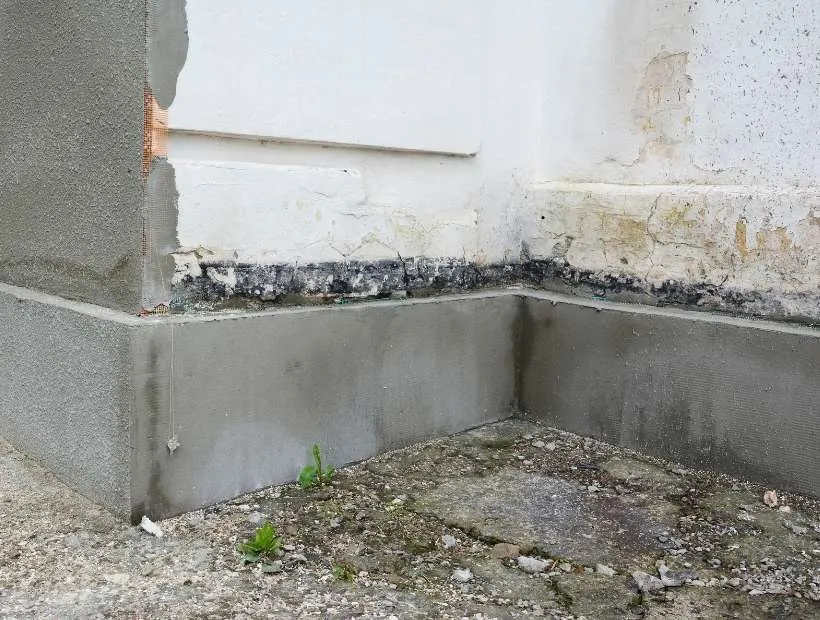
The area is inland, with no special flood exposure beyond heavy rain sewer backups. Basements get wet because older foundation walls let in moisture, gutters dump water at the base and floor drains can back up during heavy rain. Age plays a big part.
Pre war and postwar apartment buildings often have large basements with boilers, laundry and storage. Attached brick houses have smaller cellars, sometimes finished as living space. Each has its own risks.
Boiler rooms deserve special mention. Damp air and standing water shorten the life of burners, pumps and electrical panels. A wet floor next to heating equipment is a safety matter as well as a repair one, so tell your super or a licensed tradesperson right away.
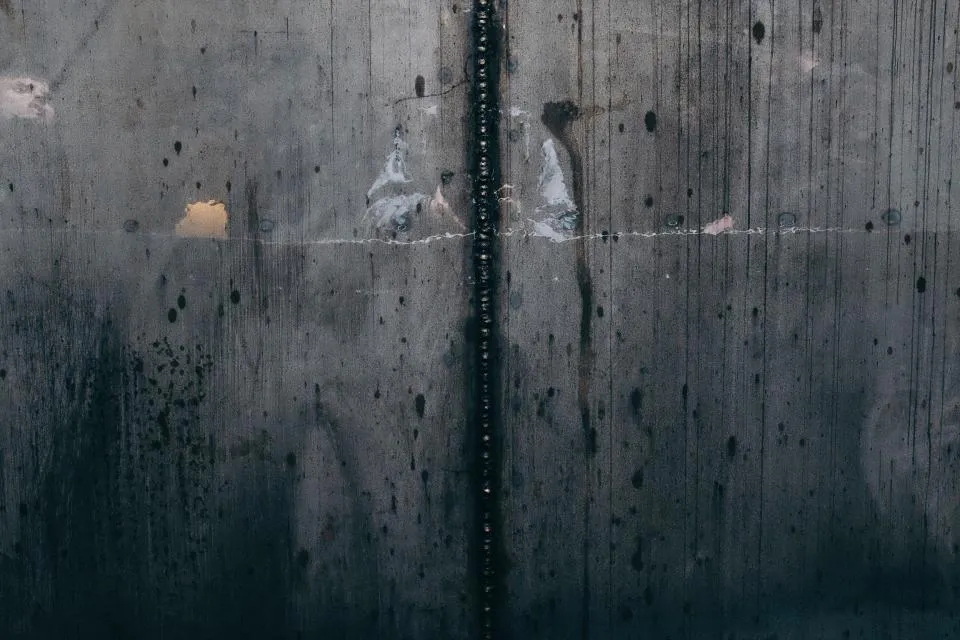
Moisture shows up as stains, flaking paint, white mineral crust and a musty smell. Those are early signs worth acting on.
How Can You Tell a Leak From Condensation or a Backup?
Three different problems look alike. A leak brings groundwater through walls or floors. Condensation forms on cold surfaces in humid air. A backup pushes sewage up through floor drains. Each needs a different fix, so identify the cause first.
| Problem | How to tell | Who fixes it |
|---|---|---|
| Groundwater leak | Wet patches after rain, seepage at wall base | Waterproofing contractor |
| Condensation | Beads on pipes and cold walls in humid weather | Ventilation or dehumidifier |
| Sewer backup | Dirty water at floor drains | Licensed plumber, backwater valve |
| Roof or gutter runoff | Damp where downspouts discharge | Gutter and grading fixes |
Heavy storms can overload sewers all across the east Bronx. When the main line backs up, water rises through the lowest drain it finds, which is usually in the basement. That is why a backwater valve is a common recommendation on lower levels.
If the water is dirty or smells of sewage, call a licensed plumber. A backup is a plumbing problem, not a waterproofing one.
Water Showed Up After the Last Hard Rain?
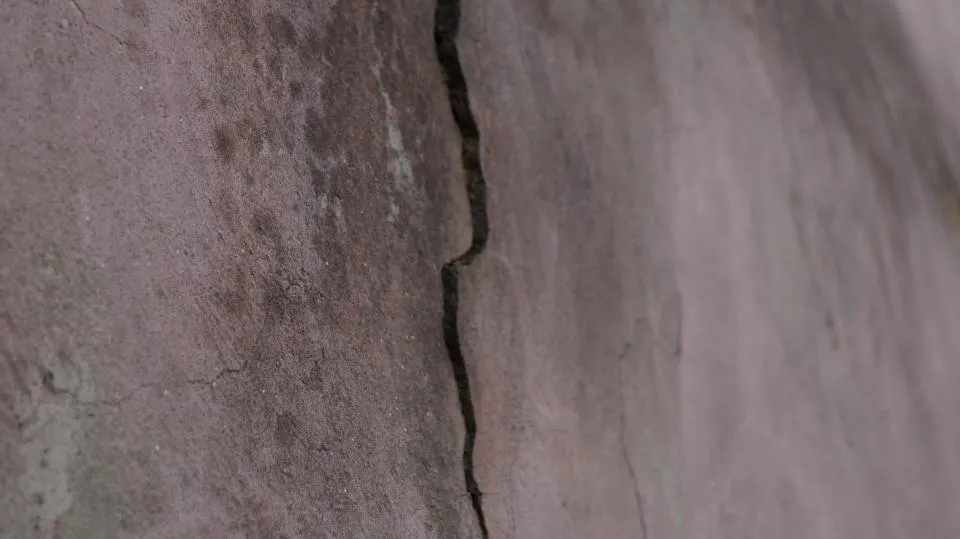
Tell us where it appeared. We will trace the source and explain the options.
What Rules Apply to Waterproofing Work Here?
Interior sealing and drain work often needs fewer approvals than structural repair, but plumbing, sump discharge and excavation can involve the city. Wall repair may need Department of Buildings permits. Any digging that reaches the public walk generally needs DOT approval. Check current rules with the city.
Shared walls between attached houses complicate waterproofing. A neighbor's drainage can affect your wall, and exterior work may need access from next door. We bring up these points early so there are no surprises.
A licensed plumber must handle sewer line and backwater valve work. We coordinate and tell you when one is needed.
Lydig Avenue is not a historic district we know of. Apartment building owners should still check for any rules tied to their building.
If trenching disturbs the sidewalk, the owner must keep it in repair under Admin Code 19-152. We restore what we open. The sidewalk violations guide covers what to do if the city sends a notice.
Where does a sump pump discharge?
It needs a proper outlet. We plan the discharge so water does not run onto a neighbor or back toward the building.
How Does a Waterproofing Job Proceed?
We inspect, find the entry points and propose a plan. Typical work includes sealing cracks, an interior drain with a sump pump, gutter and grading corrections and sometimes exterior wall treatment. Timing depends on the system and the access.
Inspect
We trace where water enters.
Plan
We explain the options and likely results.
Estimate
Scope and price come in writing.
Install
Drains, seals or pumps go in as planned.
Test
We check the system and walk you through it.
Nearby
Basement Waterproofing Near Lydig Avenue
We also waterproof basements in the neighborhoods around the avenue.
FAQ
Lydig Avenue Waterproofing Questions
We promise no outcomes. A proper system reduces water a great deal, but results vary with the building and the weather.
Often yes. Larger basements may need longer drains, more than one pump and a plan for tenants and equipment.
It lets sewage flow out but blocks it from flowing back in. A licensed plumber installs it.
Often. Interior drains and crack sealing avoid excavation, though some walls need outside work.
We do. Call (718) 468-8803 to book a visit.
Contact
Book Your Lydig Avenue Waterproofing Visit
Tell us where and when water appears. Photos of walls and floors help.
- Call us(718) 468-8803
- HoursMon to Sat, 9:00 AM to 6:00 PM
- Free on site estimate with a written price
- Licensed and insured, 25+ years in business
- We handle DOT sidewalk permits
- Serving Manhattan, Brooklyn, Queens and the Bronx
Get Your Free Estimate
Takes about a minute. No cost and no obligation.