
Wet Basement Solutions
Basement Waterproofing in East New York, Brooklyn
Leaking walls, damp floors and rain flooding stopped at the source in older frame and brick houses across the neighborhood.
- Cause found before any method is chosen
- Interior and exterior options
- Free visit and a written price
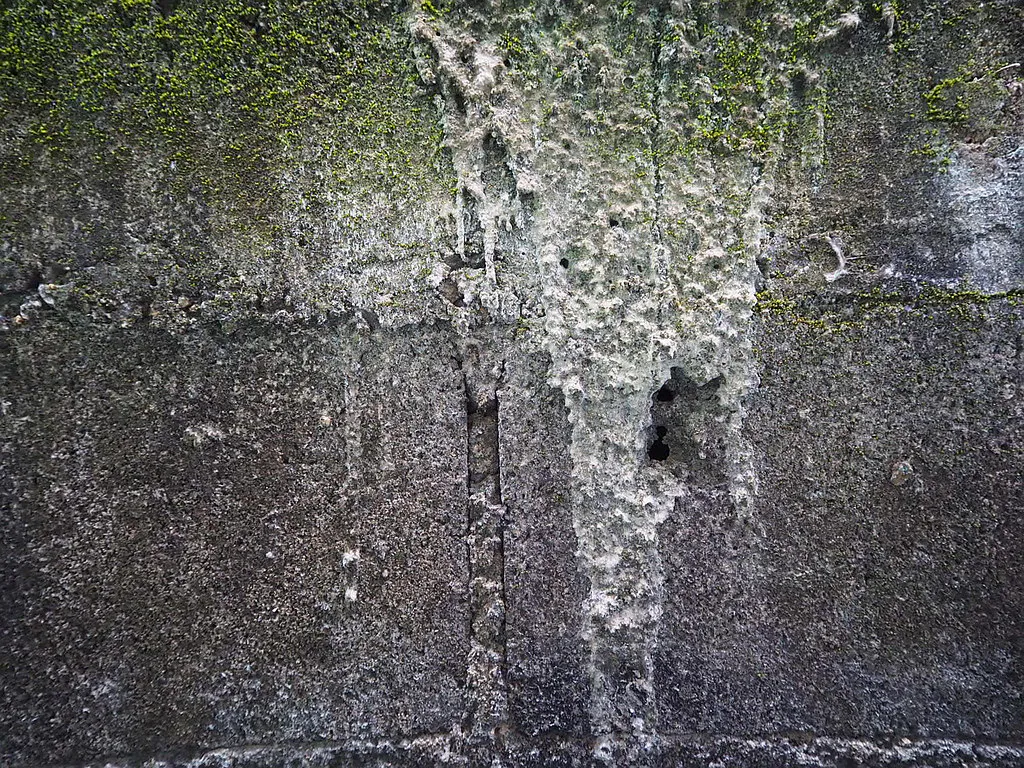
Why Do Basements in East New York Get Wet?
Water finds its way in through cracks in walls and floors, failed mortar joints, poor grading around the house, downspouts that empty by the wall, and sewer backups during heavy rain. The southern end of the neighborhood is low lying, which adds to the risk.
Older frame and brick houses in East New York often have basements that were never sealed to modern standards. Walls of old brick or stone let damp through, and floors of thin concrete crack. After years of rain, the joints open and the water follows.
The area is mostly inland, but the southern end near Spring Creek and Jamaica Bay sits low. Blocks like that are more likely to see groundwater rise. Many inland blocks also see sewer backups when the system is overwhelmed by heavy rain. Sewer backup is a different problem from a leaking wall, and the fix is different too.
Tell us when the water shows up. If it arrives only during storms, the cause is likely surface water or sewers. If the wall stays damp, groundwater or a failed wall is more likely.
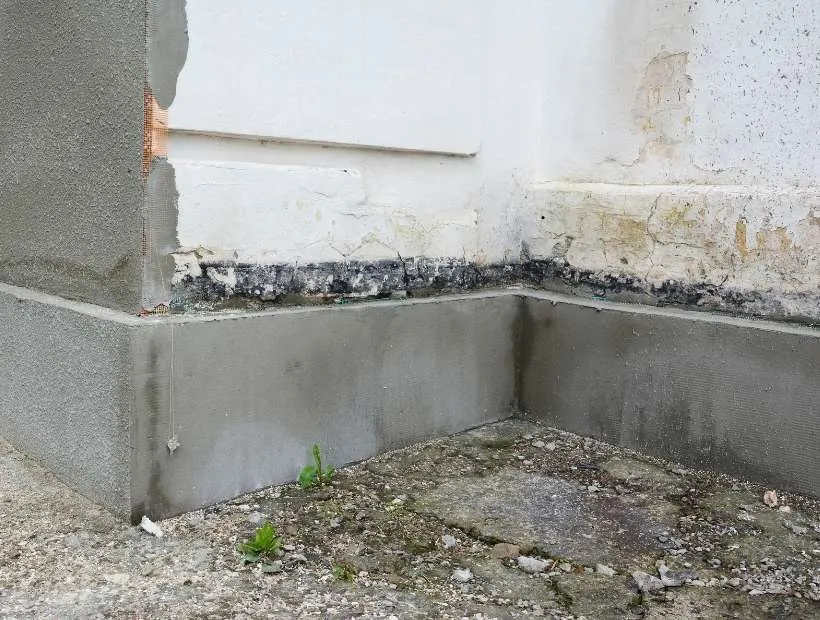
What Waterproofing Methods Are Available?
The main methods are interior drainage with a sump pump, crack injection, wall coatings, exterior membranes and grading or downspout fixes. The right one depends on where the water comes from. We find the source first and then recommend a method.
| Cause | Common fix |
|---|---|
| Crack in a poured wall | Inject and seal the crack |
| Damp brick or stone wall | Repoint failed joints and coat or drain as needed |
| Rising groundwater | Interior drain and sump pump |
| Water pouring at the wall outside | Fix grading and downspouts, add an exterior membrane where digging is practical |
| Sewer backup | Backwater prevention, assessed with a plumber |
Interior drainage is often practical on attached houses, where the sides are shared and digging outside is limited. Exterior work gets to the outside of the wall but needs access and excavation. We explain both and tell you what we would choose.
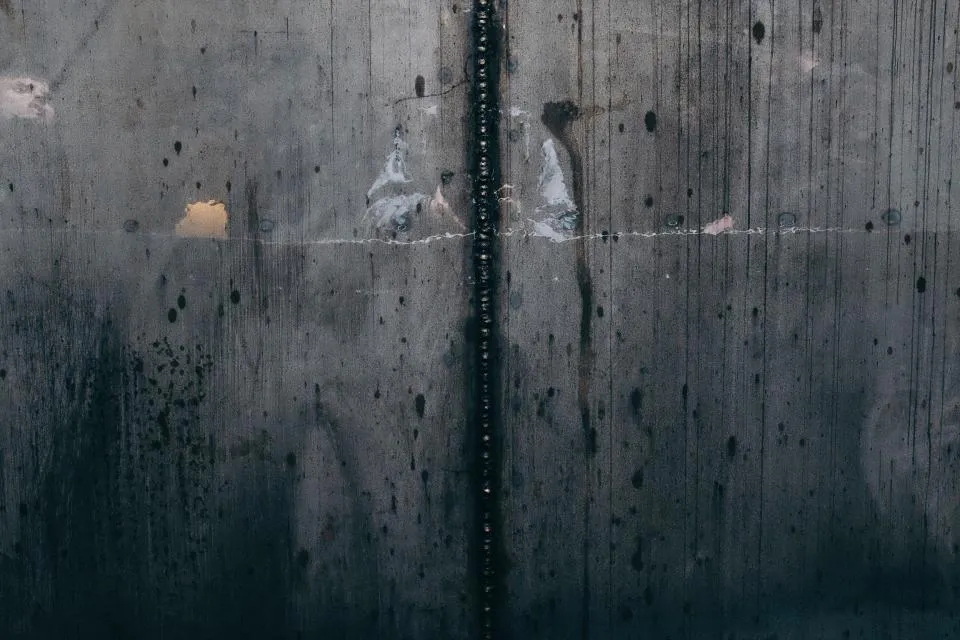
Water in the Basement After Rain?
Call us and describe what you see. We will come find the source.
Is Interior or Exterior Waterproofing Better for a Row House?
On an attached row house, interior methods are often the practical choice, since you cannot dig along shared walls. Exterior work suits detached houses with open sides. The best option depends on the wall, the water source and access. We assess before choosing.
Interior drainage catches water that has entered and directs it to a sump pump that sends it out. It does not stop water from touching the wall, but it keeps the basement floor dry. It is often the cleaner path on a narrow lot in East New York.
Exterior membranes and drains protect the wall from the outside, which is ideal when you can reach it. Detached homes and homes with side yards have more options. The cost and the disruption to your yard rise with the depth of the excavation.
Finishing a basement over a wet floor is a common mistake. Carpet and drywall trap moisture and grow mold. Fix the water first.
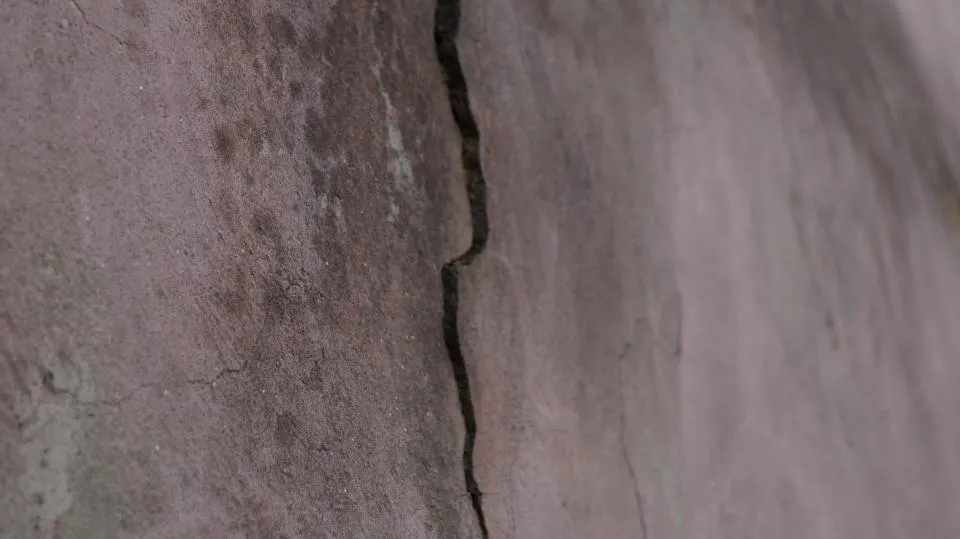
What Can I Do Outside to Keep Water Away?
Point downspouts away from the house, keep the ground sloping away from the walls, clear gutters and fix cracked yard concrete that tilts toward the building. These low cost steps reduce the water your basement has to handle, and they help any waterproofing last longer.
Many yards here are covered by old concrete that slopes back toward the house. Water runs across it, collects at the wall and works in. Replacing a tilted slab with a properly pitched one can cut basement leaks noticeably. Our concrete replacement in East New York work covers that.
Window wells need attention too. Debris and standing water in a well can push water through the window. A cover and a drain help.
Pipes matter as well. A cracked drain line or a leaking supply pipe can look like groundwater. A plumber can rule that out, and we suggest it when the pattern fits.
Does Basement Waterproofing Need a Permit?
Most interior waterproofing does not, but excavation, structural repairs and any plumbing connection for a sump pump can involve the city. Digging that reaches the sidewalk may need a DOT permit. Confirm current rules with the city. We handle permits for the jobs we do.
A sump pump needs somewhere to send the water and electric power to run it. We plan the discharge so it does not flood your neighbor or the sidewalk, and we tell you if a plumber or electrician needs to be part of the job.
We are a private contractor and we do not claim to be part of any city program. If flood insurance or lender rules affect your property, check with your insurer.
How Can I Tell Groundwater From a Sewer Backup?
Groundwater seeps through walls and floor cracks, and the water is usually clear. A sewer backup rises out of a floor drain or toilet, smells foul and carries waste. Backups need a plumber and sometimes a backwater valve. Groundwater is our kind of work.
Both can show up after heavy rain, so people mix them up. Look at where the water enters. Water that comes through a wall or crack is a building problem. Water rising from a drain is a sewer issue that no wall coating will fix.
If the basement floods once during a big storm and then stays dry for months, the cause is probably surface water or the sewer. If the walls are always damp and you smell mustiness, look for groundwater or leaking joints.
Tell us what you have seen and photograph it. We can usually narrow the cause quickly once we are on site.
Job Steps
How a Waterproofing Job Goes
Find the source
We inspect the basement, the walls and the outside grade.
Plan
You get a written scope, with permits filed if the work needs one.
Install
Cracks are sealed, drains and pumps installed or exterior work done.
Test and hand over
We check the system and explain how to maintain it.
Nearby
Basement Waterproofing Near East New York
We also waterproof basements in the neighborhoods that surround East New York.
FAQ
East New York Waterproofing Questions
It may be surface water or a sewer backup. We look at grading, gutters and drains to find out, and we may suggest a plumber for a backup.
Not always. A sump pump helps where groundwater rises. If the problem is a crack or a downspout, a simpler fix may do.
Yes. We look at the joints and the wall, then choose repointing, coatings or drainage to suit.
Interior work can be quick. Excavation and permits take longer, so you get a schedule with the estimate.
Yes. Call (718) 468-8803 and we will visit your basement and write up the work.
Contact
Dry Out Your East New York Basement
Tell us when the water appears and where. Photos of the walls and floor help us prepare.
- Call us(718) 468-8803
- HoursMon to Sat, 9:00 AM to 6:00 PM
- Free on site estimate with a written price
- Licensed and insured, 25+ years in business
- We handle DOT sidewalk permits
- Serving Manhattan, Brooklyn, Queens and the Bronx
Get Your Free Estimate
Takes about a minute. No cost and no obligation.