
Cypress Hills Wet Basements
Basement Waterproofing in Cypress Hills, Brooklyn
Seepage, cracks and standing water handled in the basements of Cypress Hills homes, especially on the sloped blocks near Highland Park.
- Interior drainage and sump pumps
- Crack injection and wall coatings
- Written price after a free visit
Why Do Cypress Hills Basements Take On Water?
Cypress Hills is inland, so the causes are runoff and groundwater pressing on old walls, cracks and open joints in the foundation, downspouts that empty against the house, and sewer backups in heavy rain. On the hilly blocks, water arriving from uphill makes the problem more common.
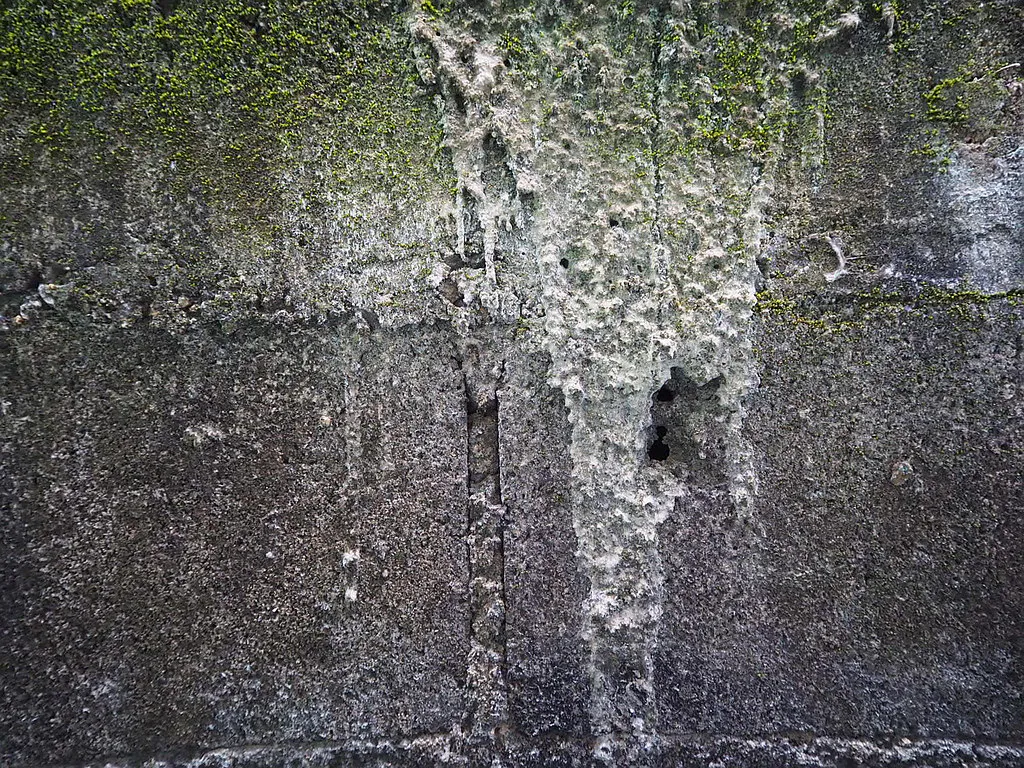
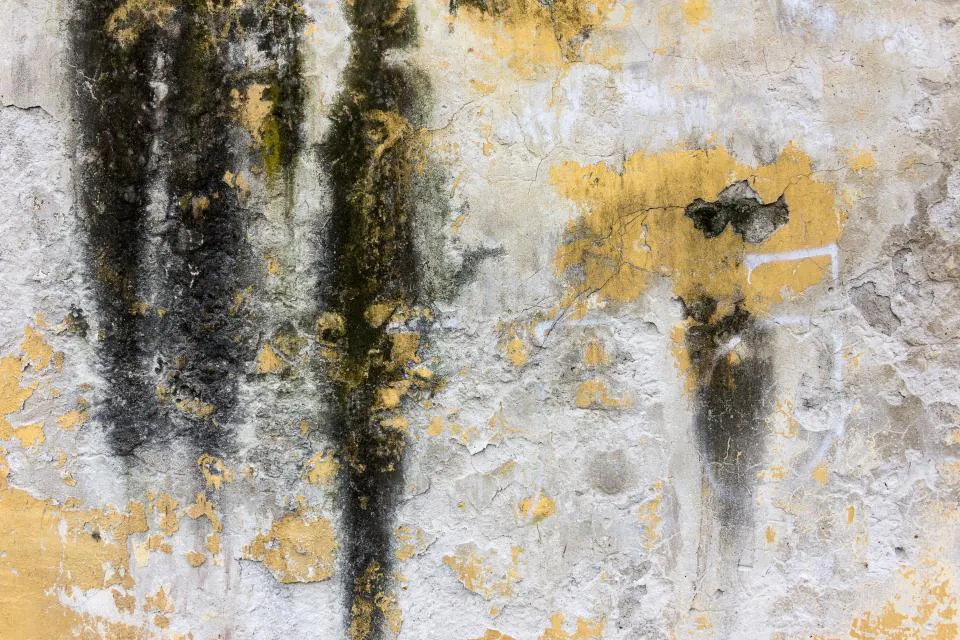
Many homes here are older frame and brick houses, and their foundation walls are aging. Stone and brick walls with soft mortar let moisture through, and any crack becomes a path. Water shows up as damp patches, white crust, peeling paint or a wet floor after rain.
Two family homes often use the basement as living or storage space. A wet floor there ruins stored belongings, invites mold and lowers what the space is worth.
Does Living on a Hill Mean a Wetter Basement?
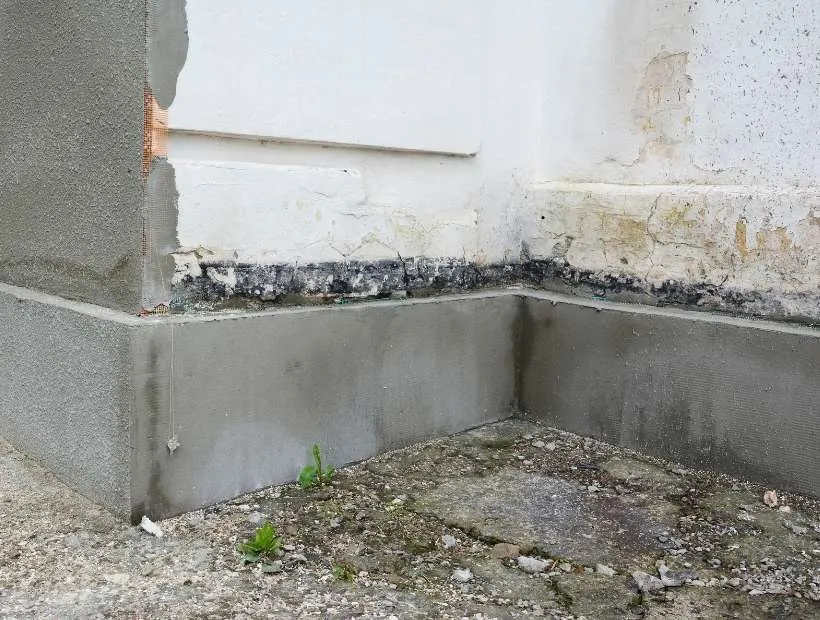
Often, yes. Rain that hits uphill lots and streets moves downhill, and homes below receive that flow. If the yard slopes toward your basement wall, water collects there and presses in. Correcting grade, gutters and downspouts is frequently the first and cheapest step.
Sloped streets also send stormwater toward low points. In heavy storms the sewer can back up in many inland areas, and floor drains in the basement become the outlet. This is different from a wet wall and calls for a different fix.
Wall seepage or sewer backup?
If the water comes through walls and along the floor edge, it is seepage. If it rises from a floor drain and smells like sewage, it is likely a backup. Tell us which one you see when you call.
What Happens if You Leave a Wet Basement Alone?
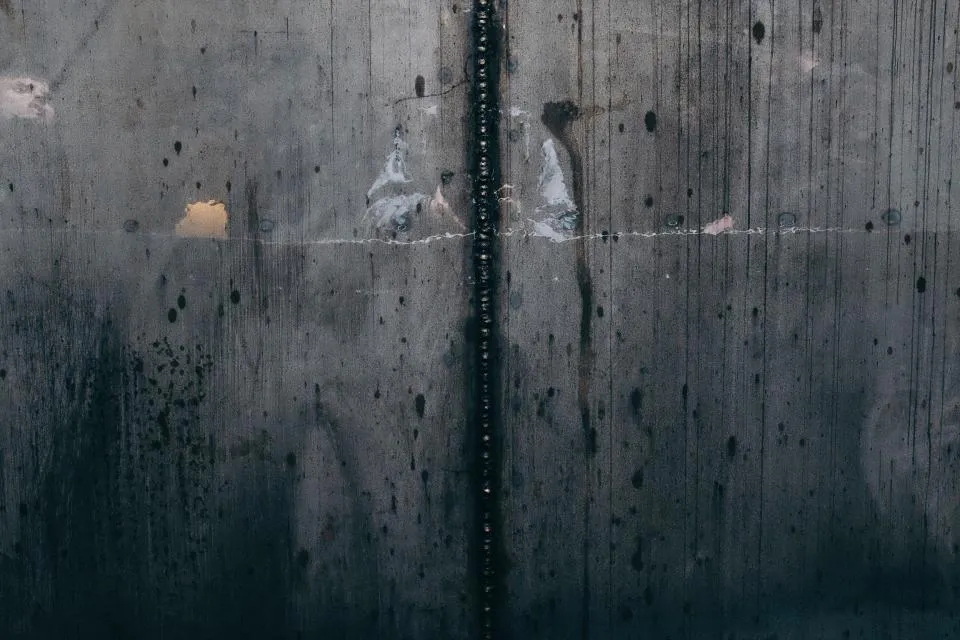
Problems grow. Moisture rots wood framing, rusts metal and feeds mold. Constant water can widen cracks and wear away mortar, so a small seep can turn into structural damage. Stored belongings are lost, and a damp basement can lower what a buyer is willing to pay.
Mold is the concern most people raise. It needs moisture and organic material, and a wet basement supplies both. Drying the space and stopping the source is the durable approach, and cleaning alone will not keep it from returning.
A wet basement also hides other issues. Water can mask a cracked wall or a failing pipe. Getting the source identified early helps you decide what else may need attention.
Which Waterproofing Method Fits Which Cypress Hills Problem?
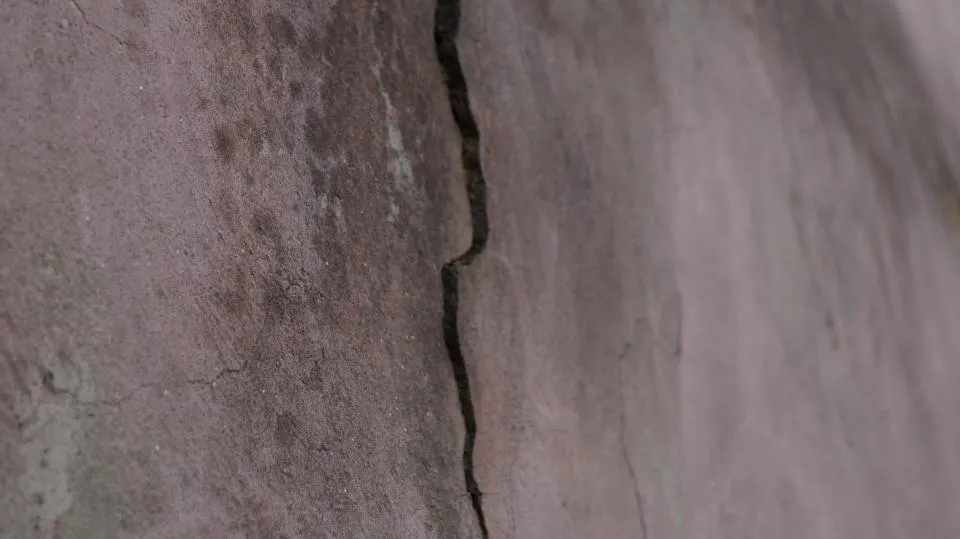
Interior drains and sump pumps deal with water that gets in. Crack injection seals leaking cracks, and coatings slow moisture through walls. Exterior membranes stop water outside the wall. Grading and gutters send water away first. The table shows how we usually match method to problem.
| Problem | What we do |
|---|---|
| Water at the wall and floor joint | Install interior drainage to a sump pump |
| Active leaking crack | Inject and seal the crack |
| Damp, chalky walls | Fix drainage first, then coat the wall |
| Downspout emptying at the wall | Extend or redirect it away from the house |
| Window well filling up | Improve the drain and cover or raise the well |
Exterior waterproofing means digging out around the foundation. That can be possible on a lot with open side yards, and impractical on an attached row house. We say which one your building allows.
Is Waterproofing Different for a Two Family House Than for a Row House?
The methods are the same, but access and layout change the plan. A detached or semi detached house may have a side yard for exterior work. An attached row house usually relies on interior drainage. Two family homes also mean two households using the space above.
We plan the job to limit disruption for everyone in the building. Sump pumps need an outlet and power, and we choose locations that make sense for both the machinery and the layout of the basement.
Water on the Floor After Every Big Rain?
Send a photo and tell us when it happens. We will help you find out where the water enters.
What Do Permits and Costs Look Like for Waterproofing in Cypress Hills?
Interior systems and coatings often need no permit. Excavation, structural repair and some plumbing work can involve the Department of Buildings. We could not confirm a landmark district in Cypress Hills. Verify current rules with the Department of Buildings or 311. Cost depends on basement size, method, access and equipment, and we price after a visit.
Interior work is often faster and causes less disruption than exterior work. It also works when the house is attached and there is no way to dig outside. Exterior membranes protect the wall itself, and they cost more because of the excavation.
Finished basements add to the effort. Removing walls or flooring to reach the problem is part of the job, and we discuss this at the visit.
What Can You Do About a Wet Basement Before the Visit?
Lift stored items off the floor, clear gutters, extend downspouts away from the wall and clear window wells and drains. These steps do not fix the cause, but they limit damage. Note when water appears, since timing tells us a great deal about the source.
Avoid painting over damp walls. Ordinary paint traps moisture, peels and hides the marks we use to find the source. Take photos of stains and watermarks now, since they may be cleaned up before we arrive.
The Process
How a Cypress Hills Waterproofing Job Goes
Inspect the basement
We check walls, floor, cracks, drains, gutters and grade.
Find the source
We work out whether it is seepage, groundwater or a backup.
Written price
You get the method, scope and price in writing.
Install
Drains, pumps, injection or coatings go in as planned.
Test and review
We check the system and walk through it with you.
Nearby
Basement Waterproofing Near Cypress Hills
We waterproof basements in the surrounding neighborhoods too.
FAQ
Cypress Hills Waterproofing Questions
A sump pump moves water out once it collects, and it works best with interior drainage that channels water to it. It does not stop water entering, so we look at the whole system.
Yes. Interior drainage is the standard choice when outside access is limited. It collects water at the wall and pumps it away.
It could be groundwater pressure or a sewer backup. Tell us where the water enters, and we can help sort out which.
Yes. Roof water dumped beside a wall is one of the easiest ways to get water inside. Redirecting it can solve or reduce many basement problems.
Interior systems are usually quicker than exterior excavation. We give a timeline with the written price.
Call (718) 468-8803 for a free on site estimate.
Contact
Request Your Cypress Hills Waterproofing Quote
Tell us when and where water shows up. Photos of the walls, floor and drains give us a head start.
- Call us(718) 468-8803
- HoursMon to Sat, 9:00 AM to 6:00 PM
- Free on site estimate with a written price
- Licensed and insured, 25+ years in business
- We handle DOT sidewalk permits
- Serving Manhattan, Brooklyn, Queens and the Bronx
Get Your Free Estimate
Takes about a minute. No cost and no obligation.