
Cypress Hills Foundations
Foundation Repair in Cypress Hills, Brooklyn
Cracks, settling and bowing walls assessed and repaired at the older frame and brick houses on the hills of Cypress Hills.
- Crack repair and patching
- Engineer input for structural problems
- Written price after a free visit
What Foundation Trouble Shows Up in Cypress Hills Houses?
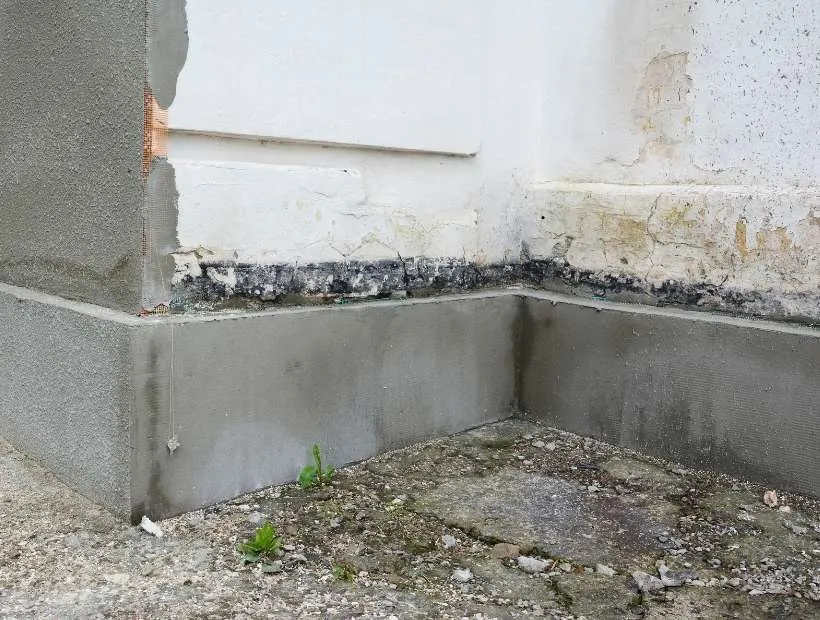
Older houses here show cracks in basement walls, floors that slope, doors and windows that stick, and gaps where steps or porches pull away. Age, water and hillside soil movement are the usual causes. A crack is only a symptom, so the first job is working out why it formed.
Cypress Hills has many older wood frame houses, brick row houses and two family homes. Their foundations were built long ago, often from stone or brick set in lime mortar. That material handles time poorly when water keeps pushing against it.
Several blocks climb toward Highland Park. Houses on a slope carry soil pressure from the uphill side and are more exposed to running water, so the downhill wall of a basement can take more strain than the others.
How Do Old Frame Houses on Hills Settle?
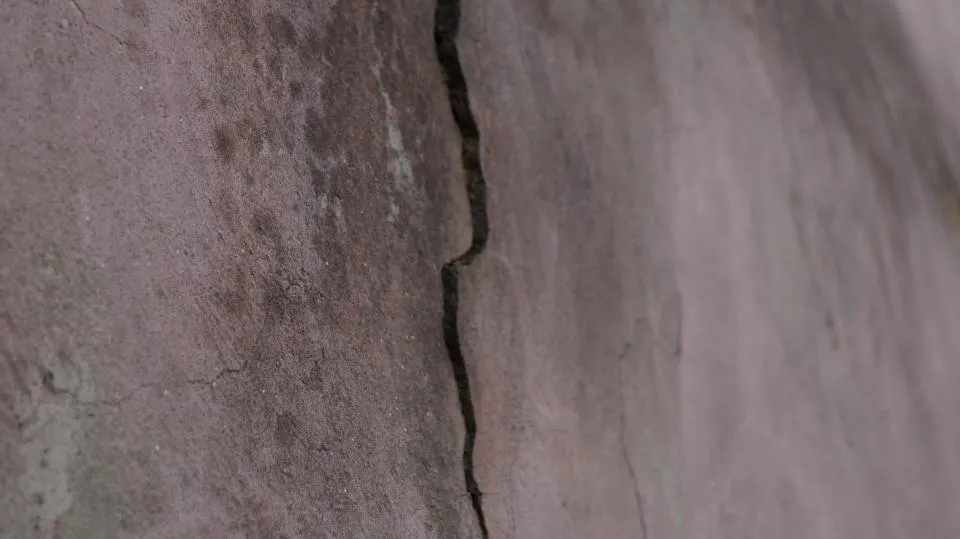
Settling happens when soil under part of a house compresses, washes out or shifts, and the foundation follows it. On a hillside lot, water moving through the soil can carry material away and leave voids. The house then tilts slightly, and cracks open where the movement concentrates.
Wood frame houses flex more than brick, so settling often shows first in the finish: sticking doors, cracked plaster, and gaps at trim. Brick houses tend to crack more visibly along mortar lines in a stair step pattern.
Watch for change over time
A crack that stays the same for years is often stable. One that widens, or a new crack that appears after heavy rain or nearby digging, should be looked at. Mark the ends with a pencil and a date.
Which Signs Inside the House Point to a Foundation Problem?
Doors that no longer latch, windows that stick, diagonal cracks running from the corners of openings, floors that roll or slope, and gaps between the wall and the ceiling can all point to movement. None proves a foundation problem alone, but several together deserve a professional look.
Rolling a marble across a floor is an old and easy test. If it picks up speed toward one wall, the floor has moved. Old houses are never perfectly level, so we look for change over time and not for a perfect floor.
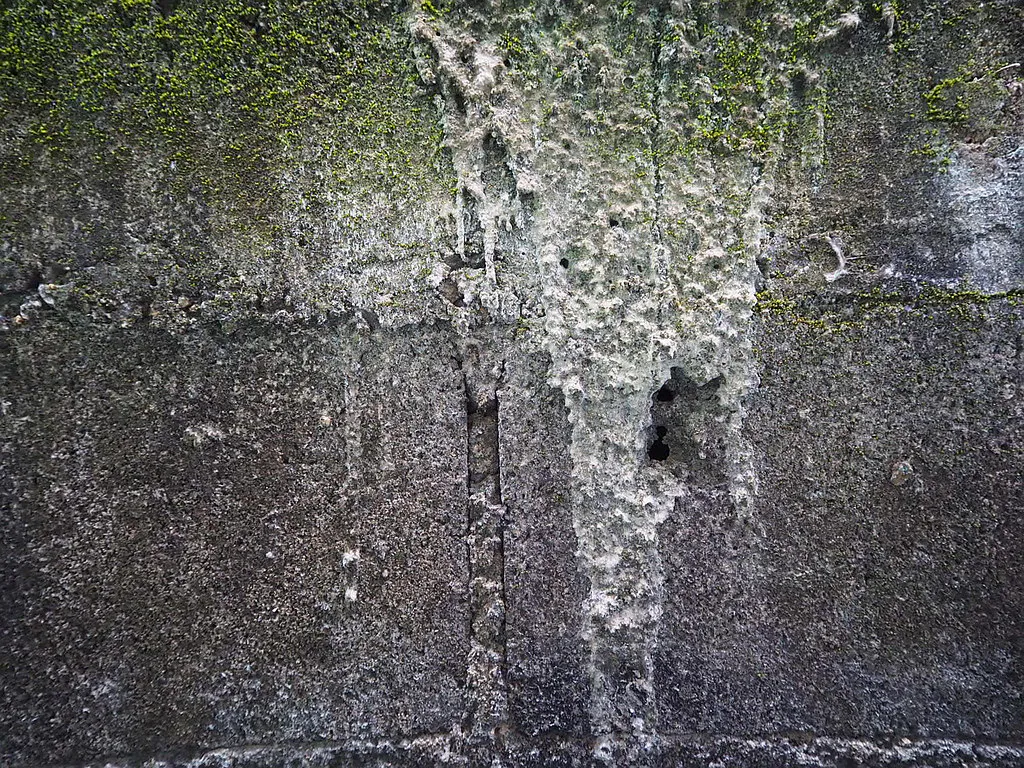
Dampness at the base of walls, mineral crust on masonry and a musty smell also matter, since they show that water is reaching the foundation.
What Is the Repair for Each Type of Foundation Problem?
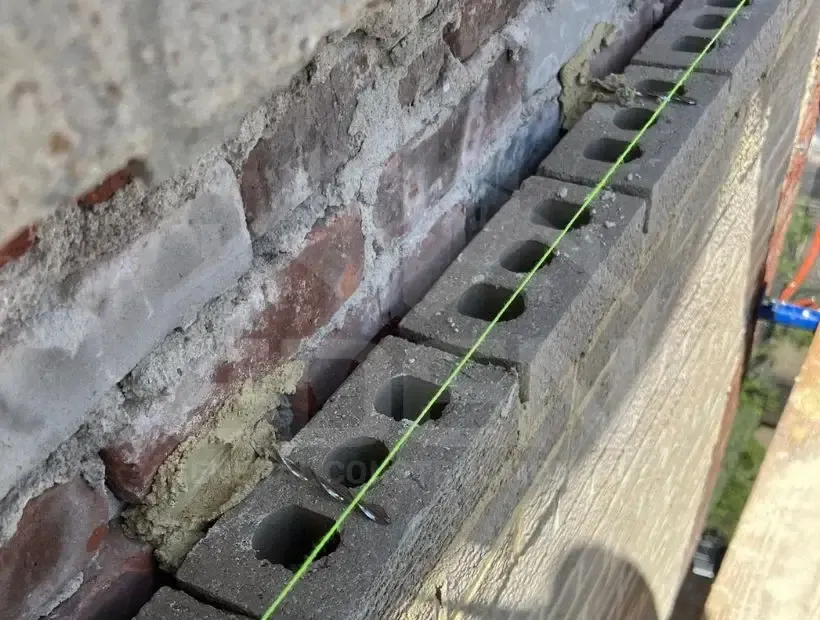
Small cracks are sealed and patched, open joints repointed, and water sources corrected. Bowing, leaning or settling walls may need structural work designed by a licensed engineer and done under permit. The table shows how we usually match problems to repairs after an inspection.
| Problem | What we do |
|---|---|
| Hairline crack in a stable wall | Seal it and monitor |
| Open mortar joints in a stone wall | Repoint and address moisture |
| Growing or wide crack | Investigate the cause, involve an engineer if needed |
| Bowing basement wall | Refer to structural assessment before any repair |
| Steps or porch pulling away | Repair the footing and reattach the structure |
We do not promise results on structural work before the cause is clear. Foundation problems are easy to make worse with the wrong fix, and we would rather say a job needs an engineer than guess.
When Should You Call an Engineer Before a Contractor?
Call an engineer first when walls bow or lean, cracks keep growing, or the house has visibly settled. The engineer finds the cause and specifies the fix, which protects you from paying for the wrong repair. For sealing and patching, a contractor visit is often enough.
We are glad to work with your engineer and to build to the plan. If you have not hired one, we can tell you when it is time to, and we will not push a repair that a professional assessment should come before.
Keep every report and permit record. They matter when you sell or refinance, since buyers and lenders ask about known structural issues.
Crack Getting Wider in Your Basement Wall?
Send a photo with a coin or ruler beside it. We will explain what it may mean and what to do next.
What Permits and Costs Apply to Foundation Work in Cypress Hills?
Structural foundation work generally needs Department of Buildings permits and often an engineer's drawings. Crack sealing usually does not. Cost depends on access, wall type, excavation, severity and the engineer's role. We give a written price after seeing the problem in person. Ask the city for the current permit rules before work starts.
We could not confirm a landmark district in Cypress Hills, so exterior work rarely faces landmark review. Digging beside a house that shares a wall with a neighbor still needs planning, since it can affect the adjoining building.
The biggest cost driver is usually access. A wall reached only through a narrow side passage or a cellar door takes more labor than one that can be dug from an open yard. We plan for that before pricing.
How Does Water Contribute to Foundation Damage Here?
Water is the main driver. Downspouts that empty against the wall, soil that slopes toward the house and clogged drains all add moisture and pressure. Freeze and thaw then cracks wet masonry. Correcting drainage is often part of a foundation repair, and it protects the work.
On sloped lots, uphill runoff can arrive in sheets during a heavy rain. A house below a driveway or a sloped yard takes that flow directly, so grading and gutters matter as much as the crack repair.
If the basement also gets wet, we look at waterproofing together with the wall repair, since one without the other tends to fail.
The Process
How a Cypress Hills Foundation Job Proceeds
Inspection
We examine the cracks, walls, floors and drainage around the house.
Diagnosis
We explain what we see and whether an engineer should be involved.
Written price
You receive a clear scope and price.
Permits
Structural work is filed with the Department of Buildings as required.
Repair
The work is carried out to the plan, and we review it with you.
Nearby
Foundation Repair Near Cypress Hills
We assess foundations in the neighborhoods around Cypress Hills.
FAQ
Cypress Hills Foundation Questions
Not always. Hairline cracks in old walls are common. Wide, diagonal or growing cracks deserve attention, and we can help you tell the difference on a visit.
It depends on the cause. If water is washing out soil, fixing drainage may stop it. Ongoing movement needs an engineer to determine the cause and plan the fix.
Underpinning is specialized structural work. We can discuss it and help you find the right professionals, but we do not promise outcomes before the cause is understood.
Sometimes. Interior crack repair and patching need no excavation. Walls that need exterior work do, and we explain what that involves.
Crack sealing is quick. Structural work takes longer and depends on permits and the plan. We give you a schedule with the estimate.
Call (718) 468-8803 for a free on site visit and written estimate.
Contact
Book a Cypress Hills Foundation Visit
Give us the address and describe the cracks or movement you see. Photos with a coin or ruler for scale are ideal.
- Call us(718) 468-8803
- HoursMon to Sat, 9:00 AM to 6:00 PM
- Free on site estimate with a written price
- Licensed and insured, 25+ years in business
- We handle DOT sidewalk permits
- Serving Manhattan, Brooklyn, Queens and the Bronx
Get Your Free Estimate
Takes about a minute. No cost and no obligation.