
Farragut Wet Basement Help
Basement Waterproofing in Farragut, Brooklyn
Damp walls, seeping cracks and water after heavy rain fixed in the basements of brick homes around Farragut Road and Flatbush Avenue.
- Interior and exterior methods
- Sump pumps and drainage
- Free visit and a written price
Local Conditions
Why Do Basements Get Wet in Farragut?
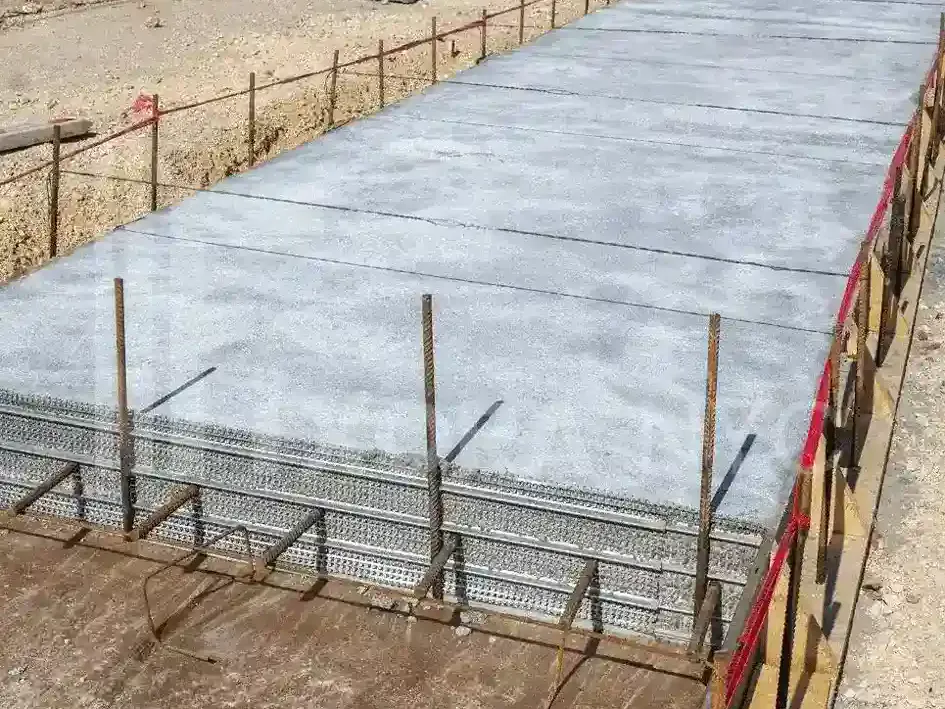
In Farragut the usual causes are heavy rain, gutters and downspouts that dump water at the wall, driveways and yards that slope toward the house and cracks in the foundation wall. Sewer backups during storms can also put water in a basement even when the walls are dry.
The neighborhood is inland, so there is no particular flood zone exposure to report. Even so, storms that overload the street sewers can push water into a basement drain. Homes here are mostly attached and semi detached brick houses, many with a driveway running along the side.
Driveways matter. A slab that pitches toward the house sends runoff straight to the wall, and a cracked one lets water sink in beside the foundation.
How Do I Tell Where the Water Is Coming From?
Look at when and where it appears. Water that shows up along the base of a wall after rain usually comes through the wall or floor joint. Water from a floor drain suggests a sewer backup. Dampness in a single spot may come from a crack, a window well or a pipe.
Watch the weather. If the basement only floods during severe storms, sewer backup or overloaded drains are more likely. If it seeps after any steady rain, groundwater pressure on the wall is the better guess.
Walls that stay damp
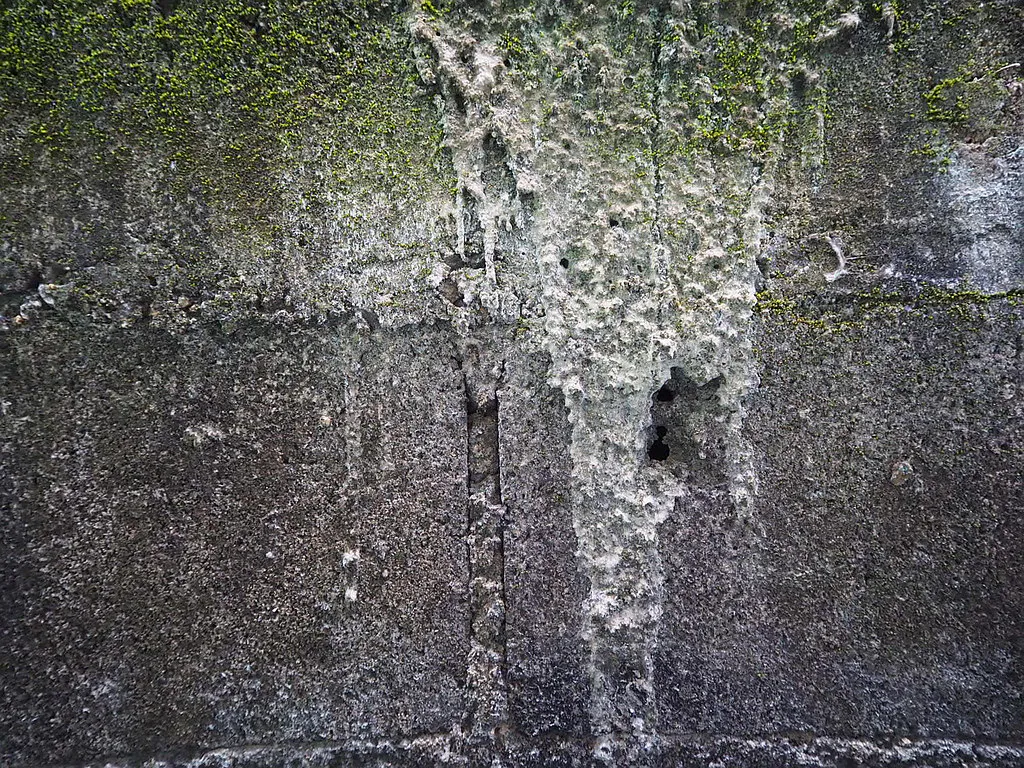
Chalky white deposits and peeling paint are signs of moisture moving through masonry. They may not mean visible water, but they show that the wall is taking it in.
Water at the floor edge
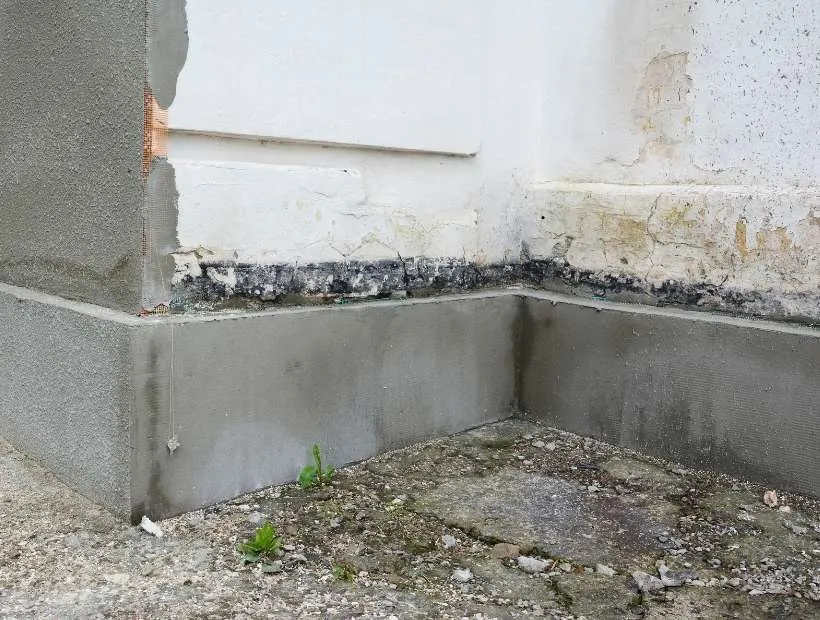
Water rising along the floor and wall joint is a hint that pressure is building outside. Interior drainage and a sump pump are the standard answer for this pattern.
Water in your Farragut basement after the last storm? Book an inspection before the next one arrives.
Book an Inspection Call NowWhich Waterproofing Method Fits a Brick Home Here?
Interior drainage with a sump pump handles groundwater that reaches the wall and floor edge. Crack injection seals individual leaks. Exterior membranes and regrading stop water before it hits the wall, but they need excavation. Most homes use a mix, chosen after we see how the water behaves.
Exterior work is the strongest choice in principle, because it keeps water off the wall. It is also the most disruptive, especially on narrow lots with a driveway on one side and a neighbor's wall on the other. Interior systems are less intrusive and often the practical choice for attached houses.
Coatings on the interior face can help with dampness but are not a cure for water under pressure. We tell you when a coating is enough and when it is not.
What Can I Fix Outside Before Spending on the Basement?
Start with gutters, downspouts and grading. Extend downspouts away from the wall, keep gutters clear and make sure soil and paving slope away from the house. These simple steps reduce the water reaching your foundation and sometimes solve a minor leak on their own.
Farragut driveways deserve a look. Check where the slab sends water and whether cracks along the wall are open. A driveway repair that restores the slope can help your basement as much as any work inside.
Sump pumps are only as good as their power and their discharge. A pump needs a dedicated discharge line that carries water away, and many owners add a backup for outages during storms.
What Should a Farragut Owner Do After a Basement Floods?
Stay safe first: keep away from standing water near electrical outlets and panels. Then document the damage with photos, remove wet items, dry the space and find the source. Mold can start in a couple of days, so quick drying matters. Call for an inspection once the water is out.
Write down when it happened, how high the water rose and what the weather was like. Those notes help us tell a sewer backup from groundwater or a leaking pipe, and they help if you file an insurance claim.
Storage habits help as well. Keep valuables on shelves and off the floor, and leave a gap between stored boxes and the wall so you can see dampness early. A finished basement wall can hide moisture for a long time, so check behind panels and carpet edges when you can.
Pricing
What Goes Into a Waterproofing Estimate?
The size of the basement, whether the fix is inside or outside, the amount of digging, any pump and how the crew reaches the work decide the price. Interior systems and exterior membranes are very different jobs. We inspect first and give you a written scope.
Basement size
The length of wall and floor edge to be treated drives the scope.
Interior or exterior
Excavating outside is a larger project than drainage inside.
Pumps and discharge
A sump pump needs a pit, power and a proper discharge line.
Access
Finished walls, narrow side yards and neighbor walls affect the work.
Process
How a Waterproofing Job Runs
Inspection
We check walls, floor, cracks, drains and the yard outside.
Diagnosis
We explain where the water comes from and what fits.
Written price
One scope covering the method, pump and finish.
Install
Drainage, injection, coating or pump work is completed.
Test
We check the system and explain how to maintain it.
Nearby
Basement Waterproofing Near Farragut
We waterproof basements in the neighborhoods around Farragut.
FAQ
Farragut Waterproofing Questions
A sump pump handles water that collects in the pit, and it works best with interior drainage. It does not stop a sewer backup. We explain which one you are dealing with.
Yes, in many homes. Interior drainage and crack injection manage water that reaches the wall. Exterior work is stronger but requires digging.
Big storms can overload sewers and street drains, pushing water up through floor drains. That is a different problem from groundwater and needs a different answer.
Interior drainage and sealing often do not. Excavation, plumbing changes and structural work can involve city permits. Confirm current rules with the city.
It can. A driveway that slopes away from the wall and has sealed cracks sends less water toward the foundation.
Yes. We inspect the basement and give you a written price at no cost. Call (718) 468-8803 to set a time.
Contact
Request a Farragut Waterproofing Quote
Tell us where the water shows up and when. Photos of the wall and the outside grade help.
- Call us(718) 468-8803
- HoursMon to Sat, 9:00 AM to 6:00 PM
- Free on site estimate with a written price
- Licensed and insured, 25+ years in business
- We handle DOT sidewalk permits
- Serving Manhattan, Brooklyn, Queens and the Bronx
Get Your Free Estimate
Takes about a minute. No cost and no obligation.