
Cambria Heights Wet Basements
Basement Waterproofing in Cambria Heights, Queens
Damp walls, puddles after storms and musty smells in the basements of detached homes across southeast Queens, fixed at the source.
- Interior drains, sump pumps and crack sealing
- Downspout and grading fixes
- Free visit with a written price
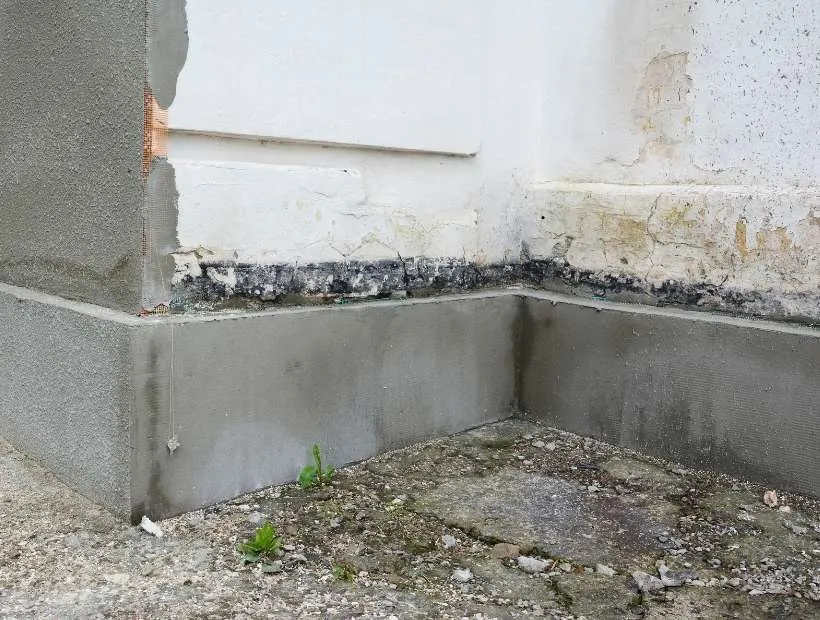
Why Do Basements in Cambria Heights Get Wet?
Southeast Queens has a known history of street flooding in heavy rain and high groundwater. When the soil around a house is saturated, water presses on basement walls and floors and finds cracks, joints and window wells. Poor grading and short downspouts make it worse.
Cambria Heights is inland, so the problem is not tidal flooding. It is groundwater and rain runoff. Homes here are detached and mostly have full basements, often finished or used for laundry, storage or a second unit. A wet basement takes those spaces out of use and can damage what is stored there.
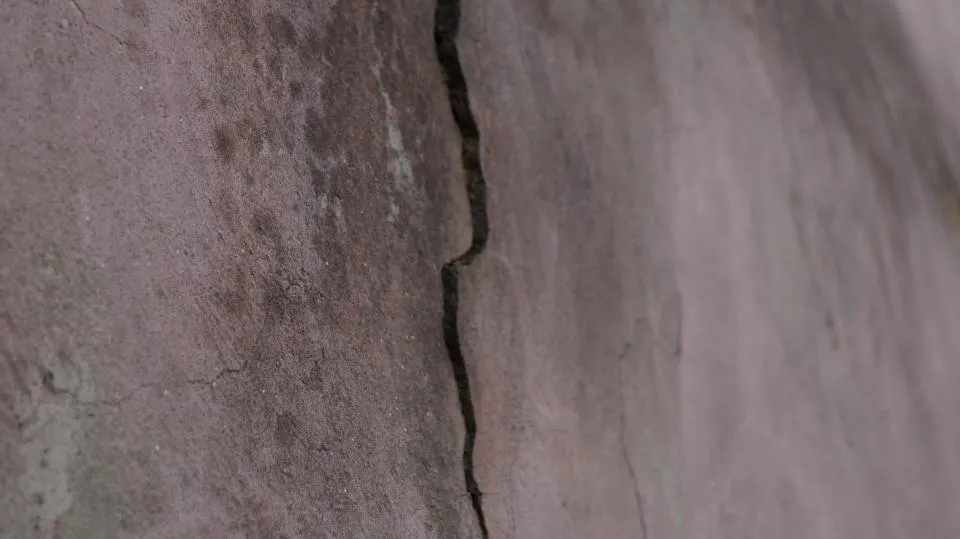
Water usually enters in a few predictable places. The joint where the floor meets the wall is the most common. Cracks in the wall, gaps around pipes and basement window wells are next. Driveways that pitch toward the house can also deliver water right to the foundation wall.
Sewer backups are a separate issue. If water rises out of a floor drain after heavy rain, the cause is the sewer line rather than the walls, and the fix is different. We help you tell which one you have.
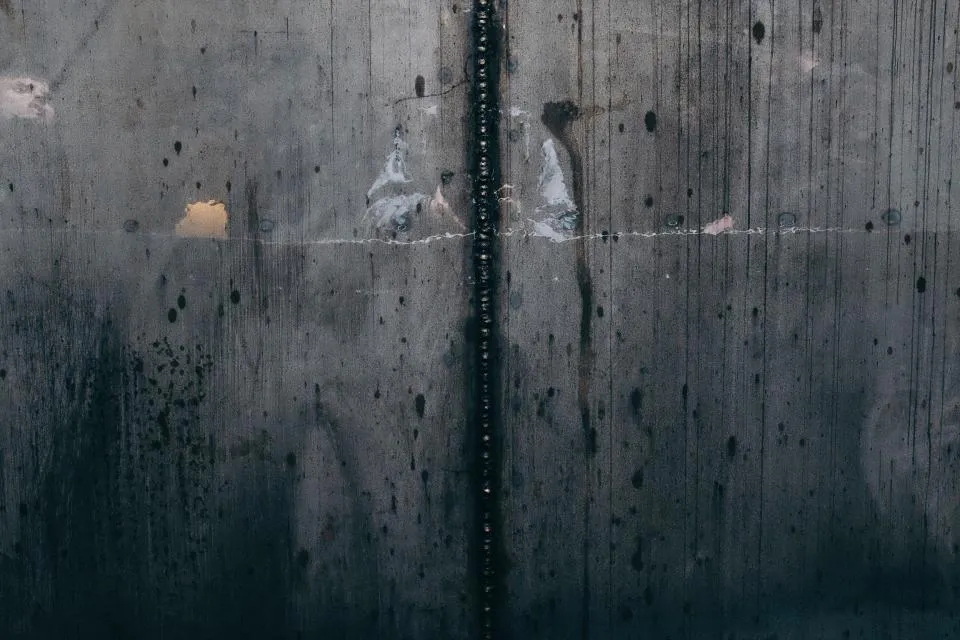
Which Waterproofing Method Fits Which Problem?
Interior drainage with a sump pump handles groundwater that rises under the floor. Crack injection stops leaks through a single wall crack. Exterior work such as membranes and better grading keeps water from reaching the wall at all. We choose based on where the water comes from.
| Problem | Usual solution |
|---|---|
| Water seeping at the floor and wall joint | Interior drain channel and sump pump |
| Single leaking wall crack | Crack injection or sealing |
| Damp block walls | Wall coating or exterior membrane |
| Water at window wells | Well drainage and better covers |
| Roof water pooling by the wall | Longer downspouts and regrading |
Interior systems are less disruptive than digging up a yard, and they work even when the outside of the house is hard to reach. Exterior work stops water at the wall, but it needs excavation and, in some cases, permits.
Can Gutters and Grading Fix a Wet Basement?
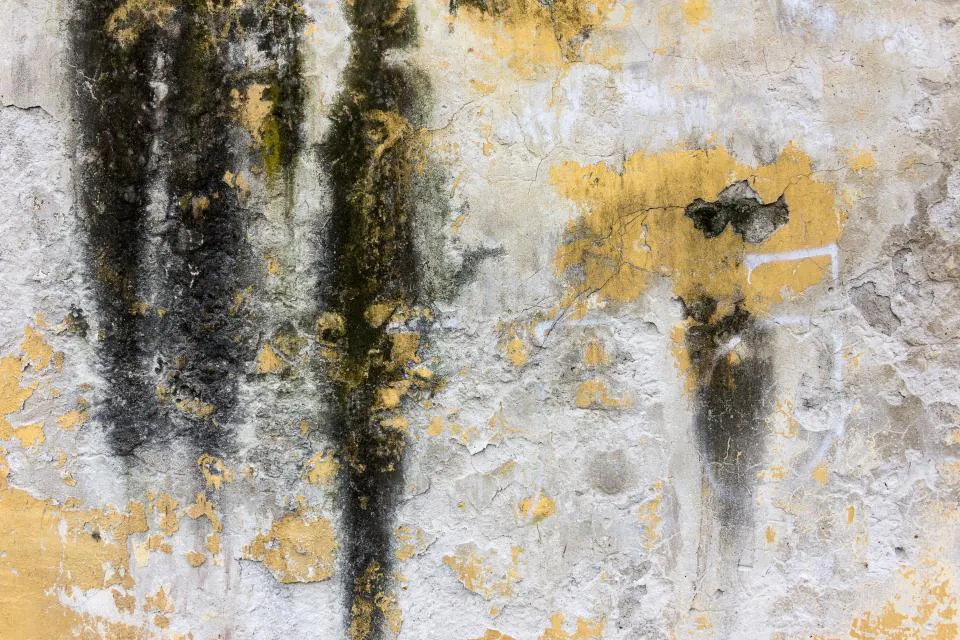
Sometimes they solve it, and often they help. Downspouts that dump water beside the wall and soil that slopes toward the house send water straight to the basement. Extending downspouts and regrading are inexpensive first steps, though they will not stop rising groundwater alone.
Walk the outside of your house after a storm. Notice where the water goes. If it collects along the foundation, the wall is doing the work the yard should do. A driveway sloped toward the garage or basement door is a frequent cause on these lots.
We check the roof drainage and yard slope during the visit and tell you how much of the problem they explain. Then we price interior or exterior work only for what remains.
What Does Basement Waterproofing Cost in Cambria Heights?
The price depends on basement size, whether the method is interior or exterior, the need for excavation, the number of pumps and how easy access is. A crack injection is small. A full perimeter drain with a sump pump is larger. We put the scope in writing after a free visit.
A finished basement raises the cost because walls or flooring may need to be opened. An unfinished one is easier to work in. We explain what has to be moved, so you can plan around it.
Pumps also need power and an outlet, and many owners want a backup for outages during storms. We can discuss that at the visit. Local rules on discharge and permits can apply to some jobs, so confirm current requirements with the city.
Dry Out Your Cambria Heights Basement for Good
We will trace the water to its source and quote the right fix.
How Do You Protect a Basement During Heavy Rain?
Keep gutters clear, point downspouts away from the wall, and keep window wells and floor drains open. Move valuables off the floor, and test a sump pump before storm season. These habits do not fix a leak, but they reduce the water reaching the wall.
Clean the gutters in spring and fall, especially under trees. A clogged gutter overflows right down the wall. Splash blocks or extensions should carry water several feet from the foundation, and the ground beside the house should slope away.
Window wells collect leaves and debris and can fill like a bucket. A cover helps, and a drain at the bottom helps more. If your basement has a floor drain, pour a little water into it now and then to keep the trap sealed.
If you own a sump pump, lift the float and confirm the motor runs. Check the discharge hose too. A pump that fails during a storm is a common cause of a flooded floor. A battery backup gives you more time when power drops.
What Should You Do Right After a Basement Floods?
Stay safe first. Turn off electricity to the wet area if you can do so without standing in water, and call a professional if not. Then remove water, move belongings, dry the space and document damage with photos. Fix the source afterward, since drying alone will not stop the next flood.
Photographs help with insurance and with our visit. Take pictures of the water line on the walls, wet items and any visible cracks or entry points. Keep notes on the storm and the time water arrived.
Dry the space quickly with fans and a dehumidifier. Wet drywall and carpet trap moisture and grow mold if left. Remove anything that cannot be dried in a day or two. Once things are dry, call us for an inspection so the cause can be found and treated before the next heavy rain.
Is Waterproofing Worth It for an Unfinished Basement?
Often yes, because even storage space suffers from dampness, and a dry basement keeps your options open. Waterproofing before you finish the space is much easier than after, and it protects any walls, floors or furnishings you add later.
Damp air raises humidity through the whole house. Boxes, tools and furnace parts rust or rot. Finishing a wet basement locks moisture behind new walls, where mold can hide.
If you plan a finished space later, tell us. We can plan drains and pumps around your layout, so the work does not have to be redone.
How Long Does Waterproofing Take?
Interior drain and pump installs commonly take a few days. Exterior membranes and larger excavations take longer. Any needed permit adds lead time, and we give you a schedule with the written estimate.
Trace
We inspect walls, floor joints, window wells and the yard outside.
Plan
You get a written scope that separates drainage from repairs.
Permit
Where one applies, expect around two to three business days for the permit step.
Install
Drains, pumps, crack repairs or membranes go in.
Test
We check that the system moves water away and clean up.
Nearby
Basement Waterproofing Near Cambria Heights
We waterproof basements in these nearby neighborhoods too.
FAQ
Cambria Heights Basement Questions
Water that shows up at the floor edge after long rain usually comes from groundwater. Water at a single crack or pipe is a local leak. We test both.
Not always. A pump helps when groundwater rises under the floor. It is a good fit where the water table stays high.
It stops the water that feeds mold, but existing mold needs separate cleaning. We focus on stopping the water first.
Yes, though some wall or floor finishes may have to be opened for the work. We explain what is involved before we start.
Yes. We visit for free and give a written price. Call (718) 468-8803 to set a time.
That points to a sewer backup, not wall leakage. We can explain how it differs and where to seek plumbing help.
Contact
Request a Cambria Heights Basement Estimate
Tell us where water shows up and when. A photo of the wet spot helps.
- Call us(718) 468-8803
- HoursMon to Sat, 9:00 AM to 6:00 PM
- Free on site estimate with a written price
- Licensed and insured, 25+ years in business
- We handle DOT sidewalk permits
- Serving Manhattan, Brooklyn, Queens and the Bronx
Get Your Free Estimate
Takes about a minute. No cost and no obligation.