
Cambria Heights Foundations
Foundation Repair in Cambria Heights, Queens
Cracked basement walls, sticking doors and settling corners in detached homes along Linden Boulevard, Francis Lewis Boulevard and the streets between.
- Cracks and settling assessed on site
- Engineer and permits when the job needs them
- Free visit with a written price
What Foundation Problems Affect Cambria Heights Homes?
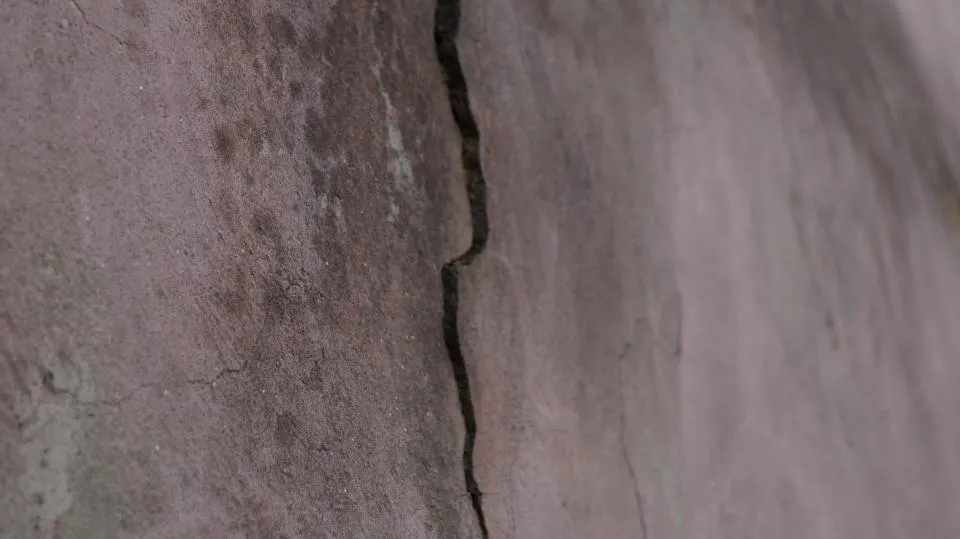
The common issues are cracks in basement or garage walls, corners that settle, and walls pushed inward by wet soil. Southeast Queens has a known history of high groundwater and street flooding, so many foundation problems here come back to water pressing on or washing under the walls.
Cambria Heights is a neighborhood of detached one and two family homes with driveways and basements. Many houses are decades old, built when Queens was filling in with Tudor and colonial style homes. Foundations of that era are usually poured concrete or concrete block, and they have had a long time to shift and crack.
Not every crack is a threat. Thin vertical cracks from normal curing are common and often stay stable. The ones that deserve attention are wider at one end, run in a stair step through block, or show a wall bowing inward.
Water and foundations are closely tied. Soil that stays saturated after rain gets heavy and pushes on the wall. When it later dries, it shrinks and lets the footing settle. That cycle repeats every year and wears on the structure.
Which Cracks Are Cosmetic and Which Need Repair?
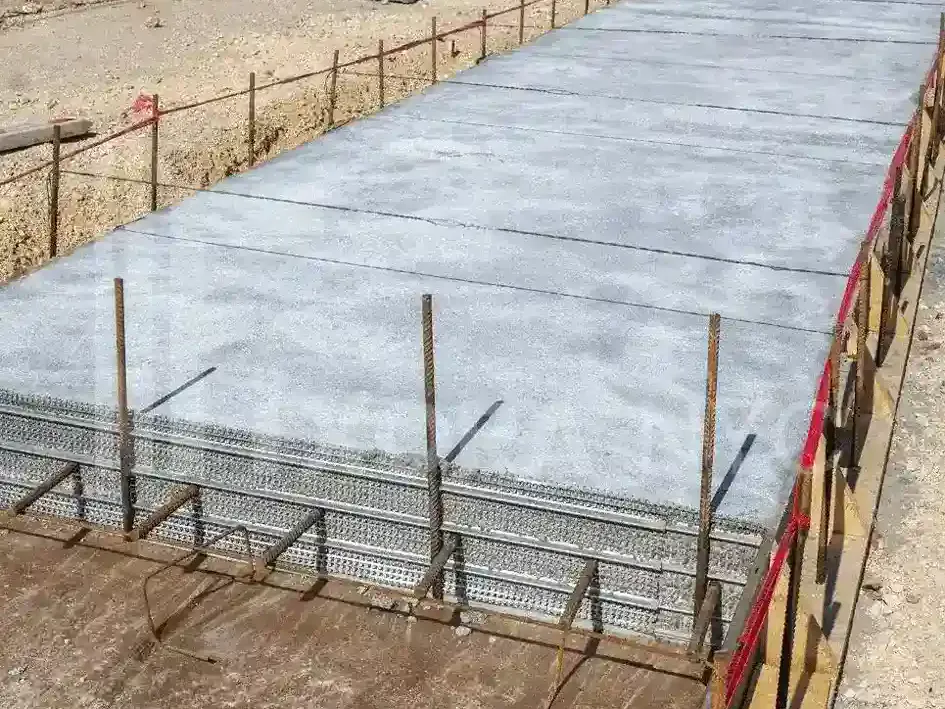
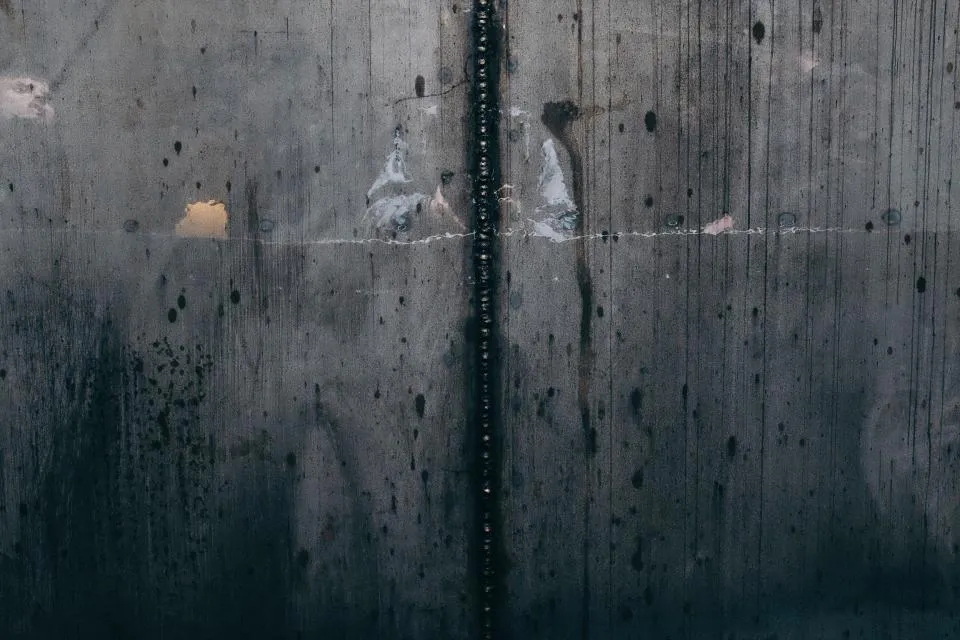
Hairline vertical cracks that have not changed are usually cosmetic. Cracks that widen, run diagonally or in stair steps, leak water, or come with a bowing wall point to real movement. Photograph and date any crack, then have it checked before deciding.
| What you notice | What may be going on |
|---|---|
| Thin vertical crack, dry | Curing shrinkage, often stable |
| Stair step crack in block | Uneven settlement of the footing |
| Horizontal crack with inward bulge | Soil and water pressure on the wall |
| Doors and windows sticking upstairs | Part of the house settling |
| Water seeping through a crack | Wall crack plus a drainage or groundwater issue |
Sticking doors are a hint from the house itself. When the frame shifts, doors rub and gaps open at corners. That does not prove the foundation is at fault, but together with basement cracks it is worth having someone look.
How Is a Foundation Wall Repaired?
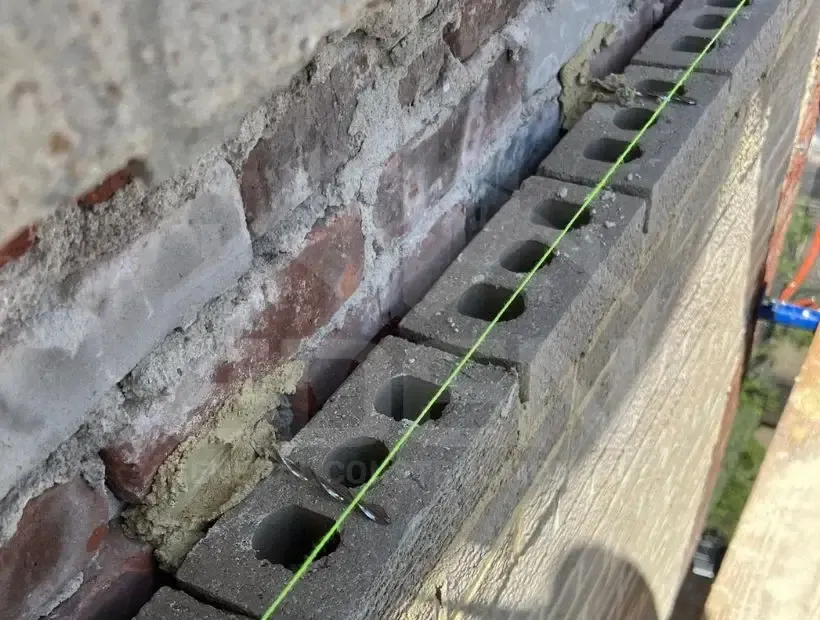
The method depends on the cause. Stable cracks can be sealed or injected. Walls that have bowed may need bracing or partial rebuilding. Settled footings can call for underpinning, which needs an engineer. We find the cause first, because fixing a crack without stopping the cause does not last.
For minor cracks, we clean out the opening and seal it so water cannot pass through. For larger repairs, we open the ground beside the wall, fix the damage and restore drainage so the same pressure does not return.
Structural problems may need a licensed engineer's assessment and Department of Buildings permits. We tell you early when that applies, and we coordinate the paperwork our jobs require. We do not promise a particular outcome before the wall has been examined.
What Does Foundation Repair Cost in Cambria Heights?
Cost depends on the wall type, the length of the damage, how much excavation is needed, whether an engineer is involved and what permits apply. A single sealed crack is a small job. A bowed wall or settled corner is larger. Free visits lead to written scopes.
Access changes the price. A wall along an open driveway is easy to dig beside. A wall behind a finished basement, or hemmed in by a garage and a fence, takes more labor. We explain each cost driver in the scope so you can compare options.
Drainage is often part of the answer here. Fixing gutters, downspouts and yard grading may cost less than structural work and can reduce the pressure that caused the crack. We look at those first.
Get a Straight Answer on Your Cambria Heights Foundation
We tell you what is cosmetic, what is not and what to do next.
What Signs Inside the House Suggest a Foundation Problem?
Doors and windows that stick, gaps between walls and ceilings, cracked plaster or drywall in a pattern and floors that slope are the usual clues. Basement cracks with staining, bowing or new movement are stronger signs. No single sign proves a problem, but a group of them does.
Start with the doors. If a door that closed fine last year now rubs at the top corner, a frame may have shifted. Check the ceiling corners in the room above for thin, diagonal cracks. Look at the floor along the exterior walls with a marble or a level.
In the basement, look at the top of the wall for a horizontal line, and at the floor for cracks running toward a corner. Damp streaks below a crack tell you water is using it as a path. Photograph each finding with a tape measure beside it, so you can compare over time.
Write down when you first noticed each change and what the weather was. Wet seasons often make cracks worse, and that pattern helps in working out the cause.
How Does Nearby Construction or Tree Growth Affect a House?
Digging next door, heavy equipment and large tree roots can all change how soil supports a house. Roots draw water and dry the ground, and excavation can remove support. If cracks appear after either, mention it, because it helps in finding the cause and who is responsible.
Cambria Heights has good tree cover, which is one of its charms. Roots from large trees spread farther than the branches. Near a foundation, they can dry out clay soil and cause uneven settling. Street trees belong to NYC Parks, so any work near them needs the city.
Neighborhood construction can matter too. When a lot next door is dug for a new house or an addition, the city requires protection of adjoining buildings. If you see new cracks during that work, take dated photos and tell the Department of Buildings or 311.
What Should You Do While Waiting for an Assessment?
Keep water away from the walls, avoid heavy loads near a bowing wall and record changes with dated photos. Do not fill cracks with hardware store patch alone. Careful notes make the assessment faster and help decide whether the movement is active.
Clear gutters and extend downspouts. Move stored items away from a bulging wall. Mark the ends of a crack with a pencil and the date, then check again in a few weeks. If it grows, tell us when you call.
If you see a wall moving, water rushing in or the floor above sagging, treat it as urgent and call promptly.
How Long Does Foundation Work Take?
Sealing cracks can be done in a day. Excavation, bracing or wall repair takes longer, and any engineer review or Department of Buildings permit adds lead time. We set a schedule with you after the assessment.
Examine
We measure cracks, check for bowing and look at drainage around the house.
Advise
You get a written scope, and we say if an engineer is needed.
Permit
Where a filing applies, expect about two to three business days for the permit step.
Repair
Cracks are sealed or walls are repaired, braced or rebuilt.
Restore
Soil, drainage and finishes are put back and the site is cleaned.
Nearby
Foundation Repair Near Cambria Heights
We assess foundations in these neighboring areas too.
FAQ
Cambria Heights Foundation Questions
Not always. Thin, dry, stable cracks are often harmless. Wide, growing or leaking cracks and bowing walls should be checked soon.
For structural problems, often yes. A licensed engineer can assess the cause and specify the repair, and the city may ask for that report with permit filings.
It can add pressure to walls and wash soil from under footings. Good drainage around the house reduces that risk.
It can help when the leak is through a crack. Some leaks come from the floor joint or from groundwater, which need drainage work.
Yes. We visit for free, inspect the walls and put our findings and the price in writing. Call (718) 468-8803 to book.
A surface patch can hide a moving crack and delay a proper fix. Photograph it and have us look before sealing it.
Contact
Book a Cambria Heights Foundation Visit
Tell us where the crack is and how long you have seen it. Photos help.
- Call us(718) 468-8803
- HoursMon to Sat, 9:00 AM to 6:00 PM
- Free on site estimate with a written price
- Licensed and insured, 25+ years in business
- We handle DOT sidewalk permits
- Serving Manhattan, Brooklyn, Queens and the Bronx
Get Your Free Estimate
Takes about a minute. No cost and no obligation.