Park Slope Repointing
Brick Pointing in Park Slope, Brooklyn
Failing mortar cut out and replaced on Park Slope row house facades, parapets and chimneys, with joints matched to the age of the brick.
- Facades, parapets and chimneys
- Mortar matched to the original
- Free visit and a written price
Local Facades
Why Do Park Slope Facades Need Repointing?
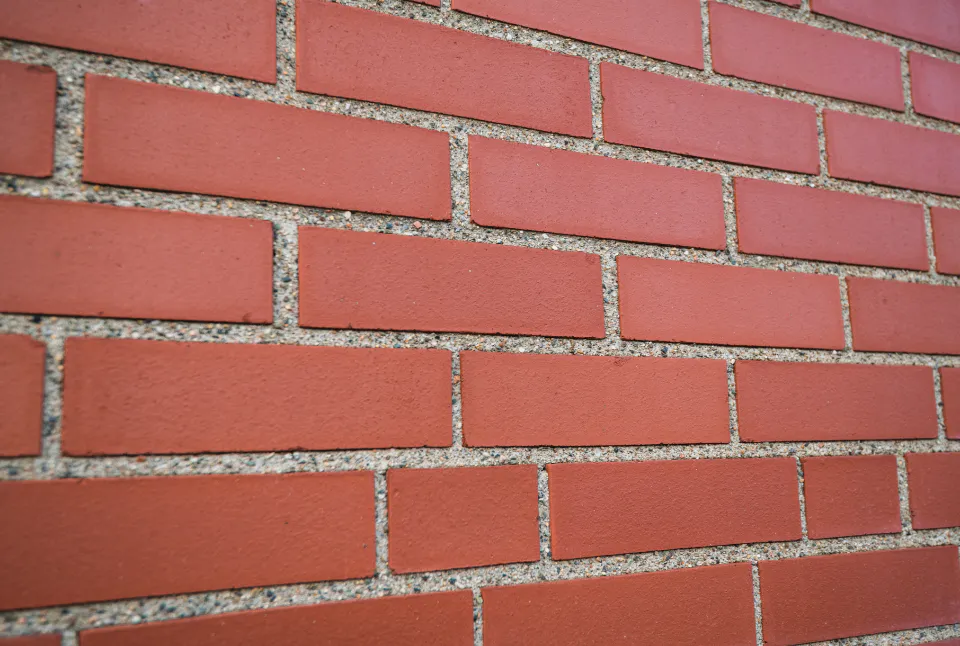
Mortar is the sacrificial part of a brick wall. It erodes so the brick does not. On a Park Slope facade that has stood for a century or more, joints have often eroded back, cracked or crumbled, letting rain into the wall and speeding up damage to bricks, lintels and interior finishes.
The neighborhood is famous for brownstone and limestone fronts, but many buildings mix materials. A brick side wall, a brick rear facade, a parapet at the roofline and chimney stacks all use mortar joints that need periodic attention. You can often see the problem from the street: sand falling out of the joint, gaps you can slide a coin into, or dark staining under the cornice.
Pre war apartment buildings along 7th Avenue and near Prospect Park West have large brick areas. Newer condo buildings on 4th Avenue have their own facade details. Row houses on the side streets tend to share party walls, so a leaking joint next door can cause damage to your side too.
Parapets and chimneys take the worst of the weather. They stand above the roof, wet on all sides, and freeze and thaw more than the wall below.
What Mortar Should Be Used on an Old Park Slope Building?
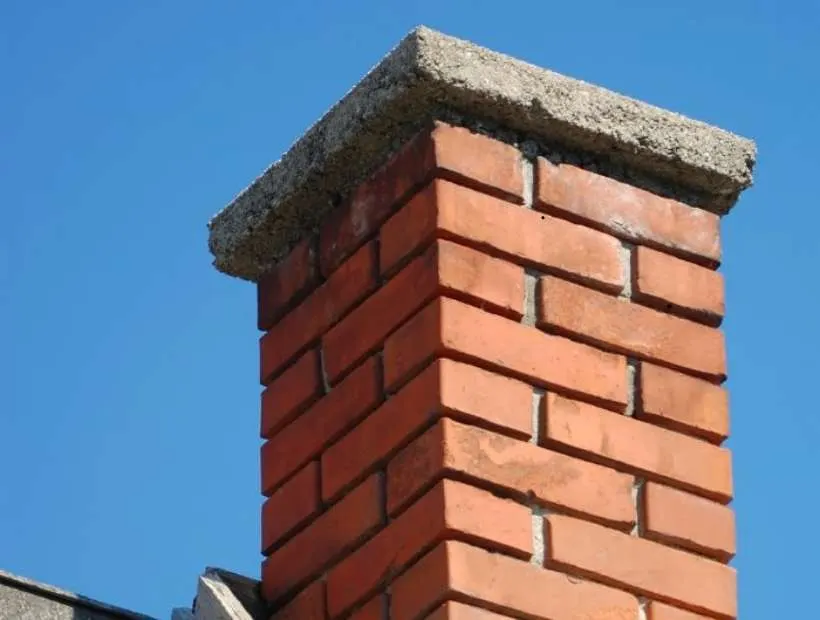
The mortar must be softer and more breathable than the brick. Many older row houses were laid in lime mortar. Hard modern cement mortar packed into those joints traps water in the brick, which then freezes and flakes. A mix matched to the original protects the wall.
Color and joint shape matter too. On a facade that people see every day, an obvious patchwork of light and dark mortar is ugly and can draw attention from neighbors and reviewers. We suggest a small test area so you can see the match on your own brick before the whole wall is done.
If earlier repairs used hard cement, we point that out. Removing it carefully, without damaging the brick edges, is slow but worthwhile.
How Is Brick Pointing Done on a Row House?
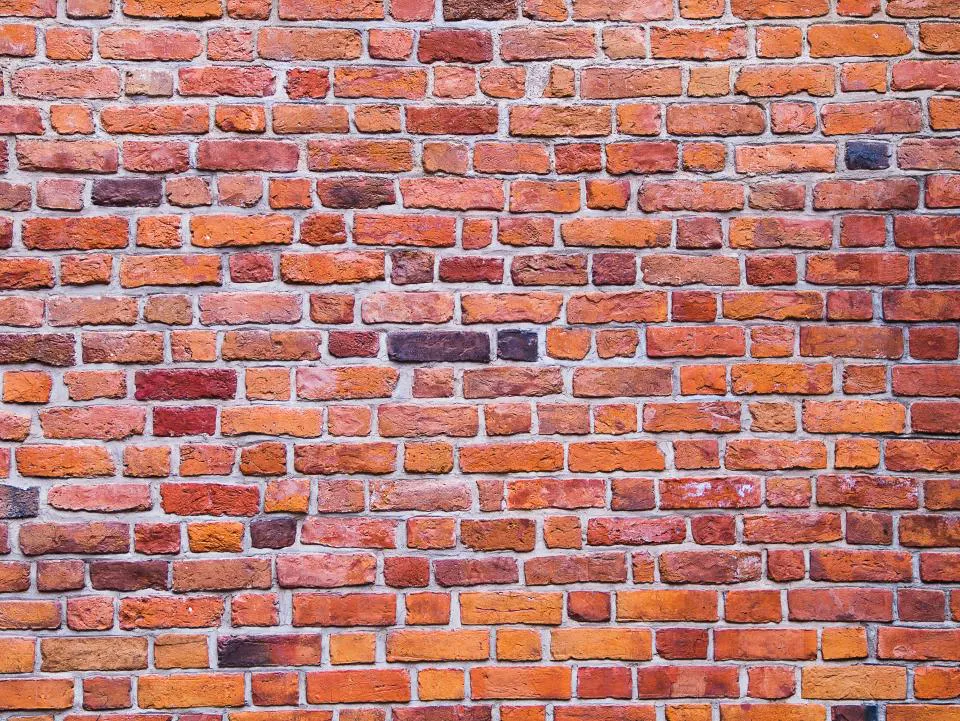
The old mortar is cut out to a set depth, the joints are cleaned of dust, and new mortar is packed in and tooled to a matching profile. Work goes wall section by section, top down, and the brick is cleaned afterward. Only failed joints need to be cut, not the whole wall, if the rest is sound.
Cutting is precise work. Grinders that are too aggressive chip the brick edges, so many masons prefer hand tools on soft brick. Depth matters, because shallow repointing pops out in a few winters.
Access is the next question. A two or three story facade may be reached from a ladder or a hung stage. Taller buildings use scaffolding or a swing stage. Facade work on the street side may also involve a sidewalk shed or protection for pedestrians.
We tell you at the visit what access the job needs, and we describe where the mortar is failing and where it is fine.
Do Local Law 11 and Landmark Rules Apply in Park Slope?
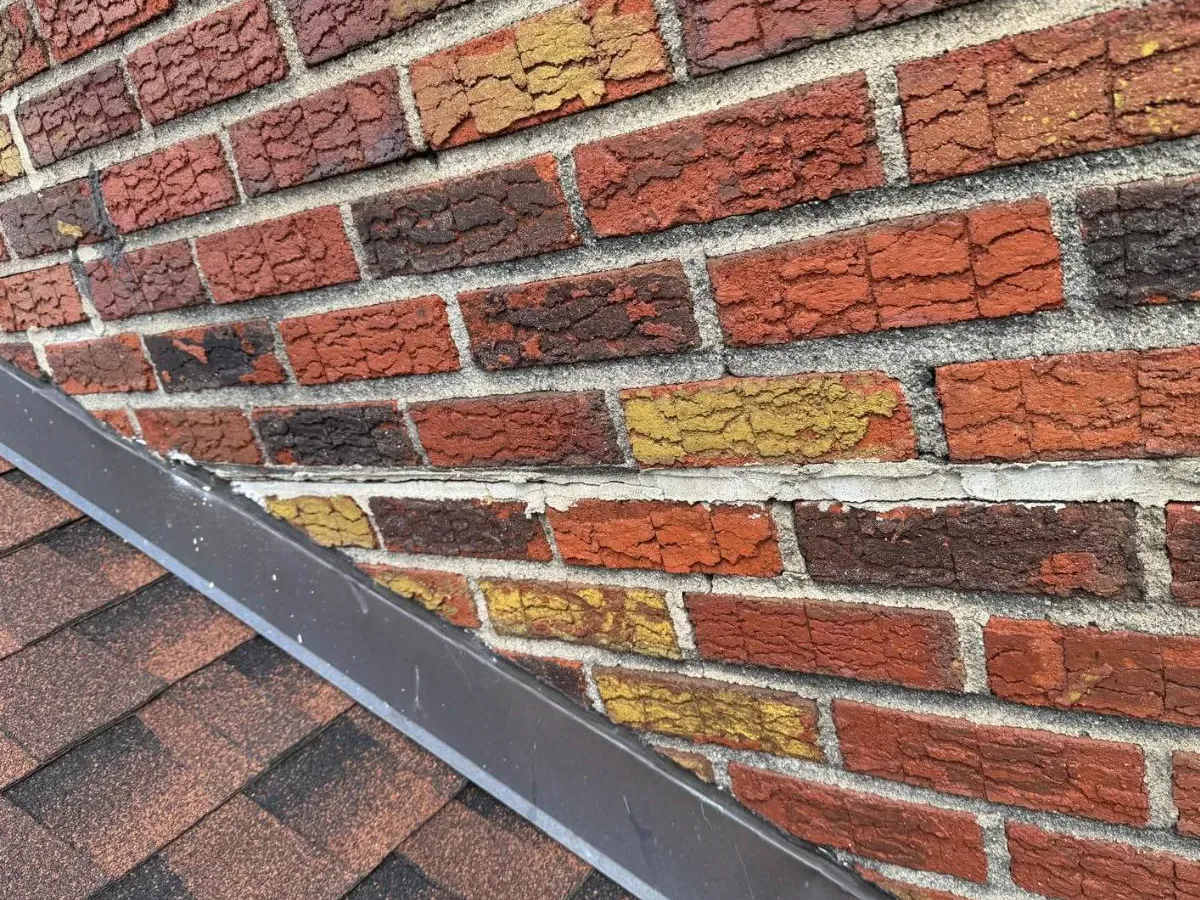
Local Law 11 requires buildings taller than six stories to have their facades inspected every five years. Some Park Slope apartment buildings meet that height. Separately, the Park Slope Historic District can require Landmarks Preservation Commission approval for some facade work. Confirm both with the city.
Most row houses are lower than six stories and are not covered by the facade inspection program, but they still deserve regular care. Taller buildings often need a filed inspection report before repairs can be ordered, and owners work with an engineer or architect on that report.
Routine repointing to match the original brick and mortar is generally treated differently from changes to the appearance of a facade. Still, if you are in the historic district, ask the Commission before you begin.
Should You Repoint a Chimney or Parapet First?
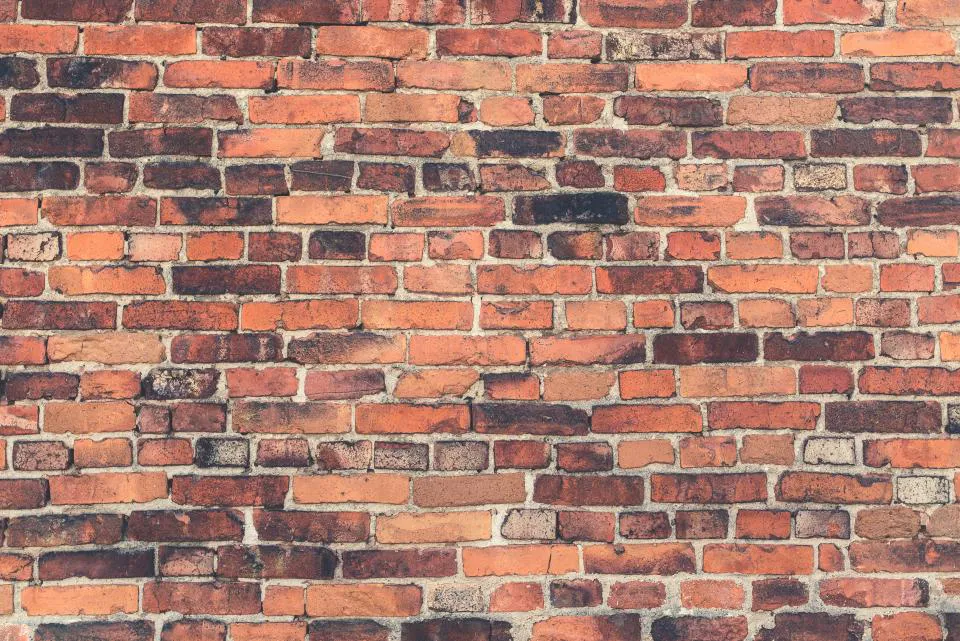
Start with whichever leaks or crumbles worst, and usually that is the chimney or parapet. They sit highest, get the most rain and freeze from every side. Fixing them first protects the walls and ceilings below, and it is often the cheapest place to stop water damage.
On Park Slope row houses the roofline is easy to overlook because you look up from the street at a cornice and never see the chimney top. Ask a mason to look from the roof or with binoculars from across the street. Missing mortar and leaning brick at the top are easy to see once you know what to look for.
Loose brick on a parapet is also a safety issue for anyone on the sidewalk below, so do not leave it for later.
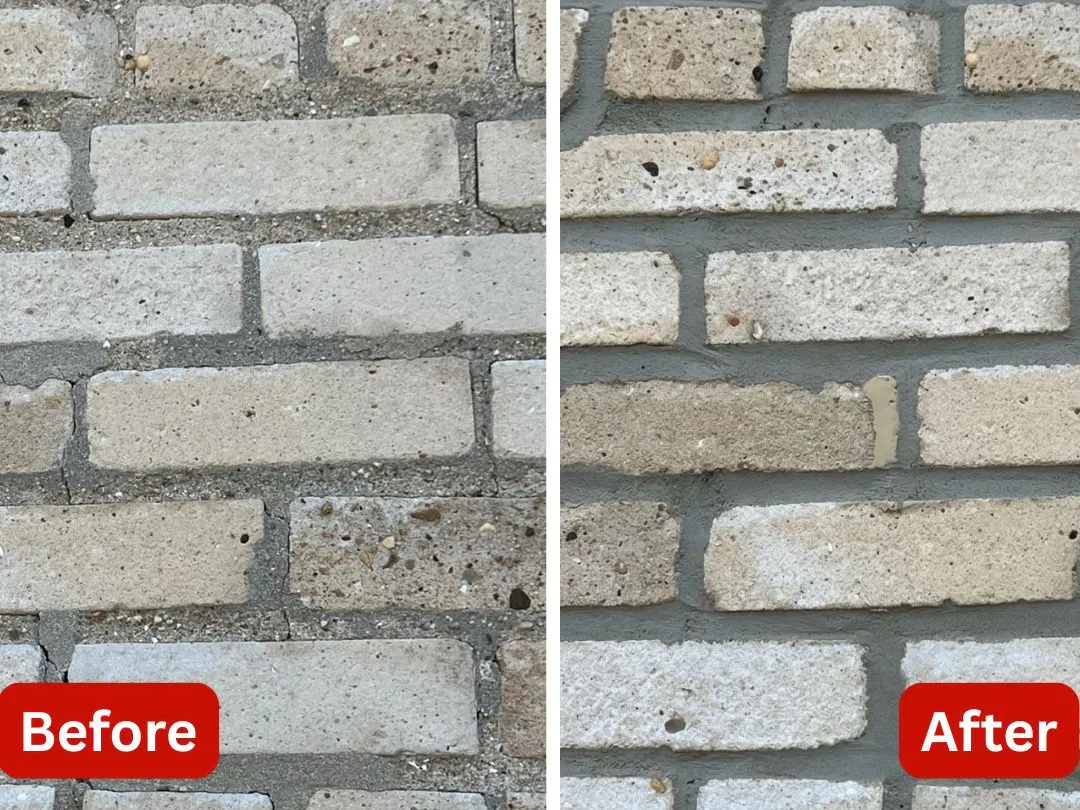
Seeing sand in the joints or water stains under the cornice? Send a photo.
Request Your Quote Call NowEstimate
What Determines Brick Pointing Cost in Park Slope?
The price follows the wall area, the height and how the crew will reach it, how deep the mortar has failed, and how closely the new mortar must match the old. A chimney is a small job. A full facade on a tall building needs scaffolding and is larger. Written prices follow a free visit.
Wall area
More brick means more joints to cut and fill.
Height and access
Scaffolds and lifts add cost and setup time.
Mortar matching
Color and lime mixes take testing and care.
Condition of the wall
Loose brick and old patches add rebuilding work.
Schedule
The Repointing Job Step by Step
Facade survey
We look at joints, parapets, chimneys and any loose brick.
Written price
You receive scope, price and warranty terms in writing.
Permits and approvals
We handle DOB permits when a job needs one. Historic district approvals are checked by the owner.
Cut and point
Failed mortar is removed and new mortar is tooled into each joint.
Clean and review
The brick is cleaned and we walk the wall with you.
Nearby
Brick Pointing Near Park Slope
The same facade work is available in the neighborhoods around Park Slope.
FAQ
Park Slope Brick Pointing Questions
Look for sand or powder at the base of the wall, joints you can push a key into, and cracks that follow the brick lines. Water stains inside on a party wall are another sign.
Yes. The parapet is often the most exposed part, and repointing it and the coping is a common stand alone job.
It depends on wall size and access. We give a time frame in the written estimate. Jobs that involve the sidewalk for a shed or scaffold may need permits.
It can at first, because fresh mortar is lighter. We aim to match color and profile, and a test patch shows you the result first.
Routine repointing to match the original is treated differently from changes, but confirm with the Landmarks Preservation Commission before starting.
Yes. Call (718) 468-8803 for a free visit and a written price.
Contact
Ask for a Park Slope Repointing Quote
Describe the wall or parapet and add a few photos from the street if you can.
- Call us(718) 468-8803
- HoursMon to Sat, 9:00 AM to 6:00 PM
- Free on site estimate with a written price
- Licensed and insured, 25+ years in business
- We handle DOT sidewalk permits
- Serving Manhattan, Brooklyn, Queens and the Bronx
Get Your Free Estimate
Takes about a minute. No cost and no obligation.