
Park Slope Stoop Repair
Steps Repair in Park Slope, Brooklyn
Cracked treads, loose stoop stones and wobbly rail posts repaired on the brownstone and limestone row houses near Prospect Park.
- Stoops, front steps and rail posts
- Landmark rules explained before work starts
- Free visit and a written price
Stoops Here
Why Do Park Slope Stoops Wear Out?
Water is the culprit. Rain and snowmelt seep into joints between treads and risers, freeze overnight and push the stone apart. Add road salt in winter and rusting iron rail posts that swell inside the stone, and a stoop that looked fine in fall can be cracked by spring.
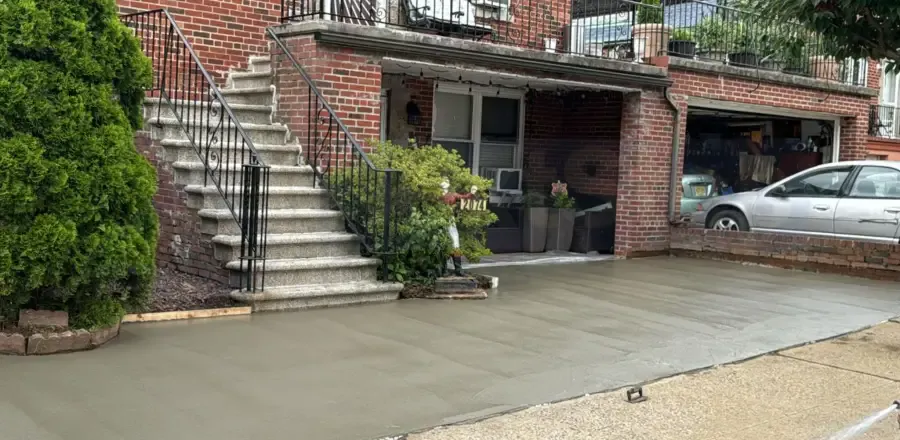
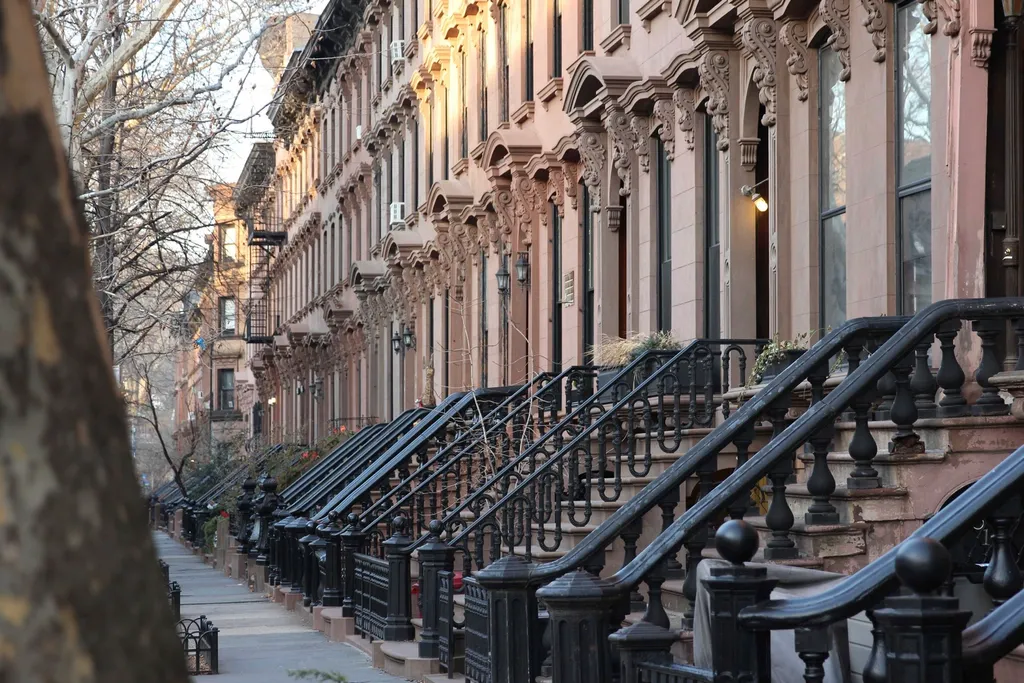
Park Slope is known for its rows of brownstone and limestone houses. Each one has a stoop that climbs from the sidewalk to the parlor floor. These stoops are heavy, old and exposed to weather on every side, and many were built well over a hundred years ago.
The blocks near Prospect Park West and along 5th and 7th Avenues have many of the larger houses, but the same story plays out on the side streets. Look at your stoop after a hard freeze. Hairline cracks, flaking faces and a hollow sound when you tap a step all point to moisture behind the surface.
Rail posts are another common failure. A post set in lead or cement rusts, expands and cracks the tread around it. A loose rail is a safety issue for anyone using the stoop every day.
What Repairs Can a Park Slope Stoop Get?
Repairs range from patching small chips and sealing joints to resetting loose treads, rebuilding cracked steps and re-anchoring rails. Which one fits depends on how far the damage has gone and on the material. A clear look at the stoop, usually from both sides, tells us where to start.
- Hairline cracks and open joints
- Flaking or spalling stone faces
- Loose or shifting treads
- Rusting or wobbly rail posts
- Crumbling cheek walls beside the steps
- Stoop meeting the sidewalk at an uneven edge
Small problems are worth fixing early. A sealed joint costs far less than a rebuilt step, and it keeps water out of the stoop core. Once water reaches the fill behind the stone, repairs get larger.
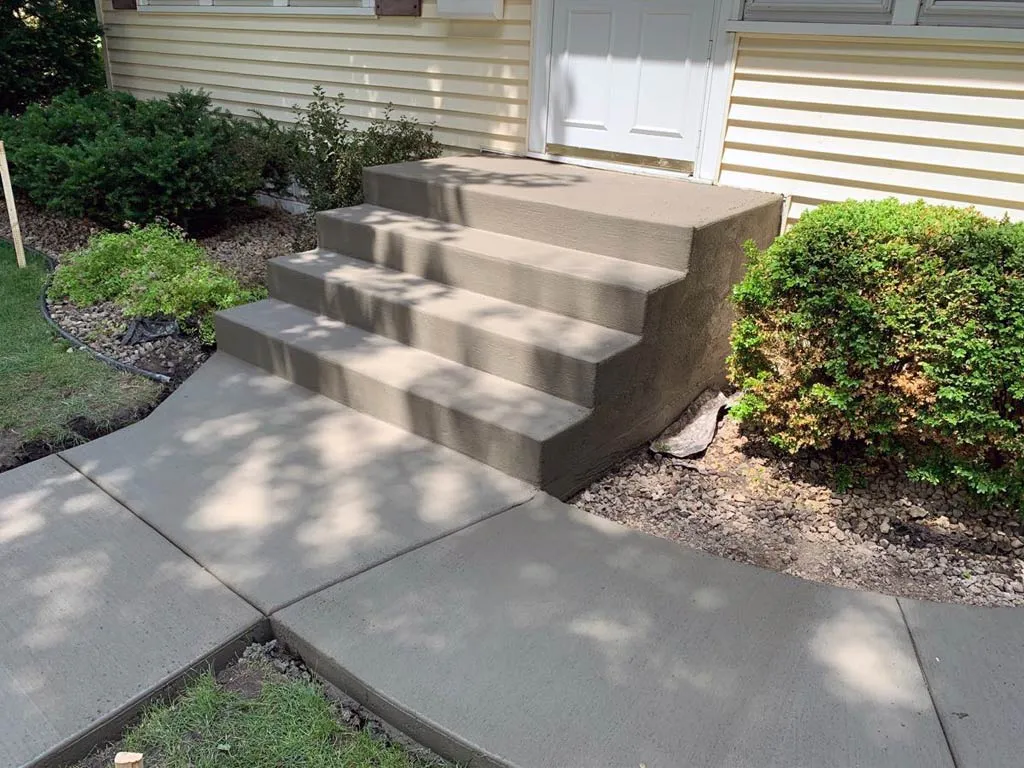
For stoops that are concrete or have been resurfaced with cement, the fix may be different from stone. We look at what is there before proposing a repair.
Can You Change a Historic Stoop in the Park Slope Historic District?
Park Slope is inside the Park Slope Historic District, so work on a stoop that changes its look can need Landmarks Preservation Commission approval. Repairs that match existing materials are treated differently from replacements. Check with the Commission before you start, and let us know what it says.
The stoop is a defining part of a brownstone facade. That is why the Commission pays attention to it. Replacing brownstone treads with plain concrete, for example, changes the look of the whole frontage and is the sort of change that draws review.
We will not guess at what is approved. At the visit we describe the repair we recommend, and you can confirm with the Commission or your architect if the work is more than routine maintenance.
Where the repair keeps the same material and appearance, the path is usually simpler. Where materials change, plan for extra time.
How Do We Repair a Damaged Stoop Step?
We open the damaged area, remove loose or crumbling material, check what lies behind it, rebuild or patch the step in a matching material and seal the joints. Rail posts are re-set in fresh anchoring so they stop rocking. The result is a stoop that sheds water instead of soaking it up.
The work depends on the material. Brownstone is soft and layered. Limestone is harder but weathers. Concrete steps fail differently again. Each has its own patching products and methods, and the wrong one can make things worse.
Stoops connect to the sidewalk and often to areaway walls. If those are in poor shape, we mention it so you can decide whether to include them.
When Is It Time to Repair the Stoop Instead of Waiting?
Repair once you see moving treads, open joints, flaking faces or a rail that shifts under your hand. Waiting lets water reach the fill behind the stone, and then a small repair becomes a rebuild. Winter freeze makes every crack wider, so fall is a smart time to act.
Owners in Park Slope often find out about stoop damage from a neighbor, a mail carrier or a delivery driver who nearly slipped. Do a walk of your own each season. Check every step for rocking, listen for hollow sounds and grip the rail firmly.
Keep salt off natural stone where you can, and sweep snow instead. Rock salt speeds up the damage that freeze and thaw already causes.
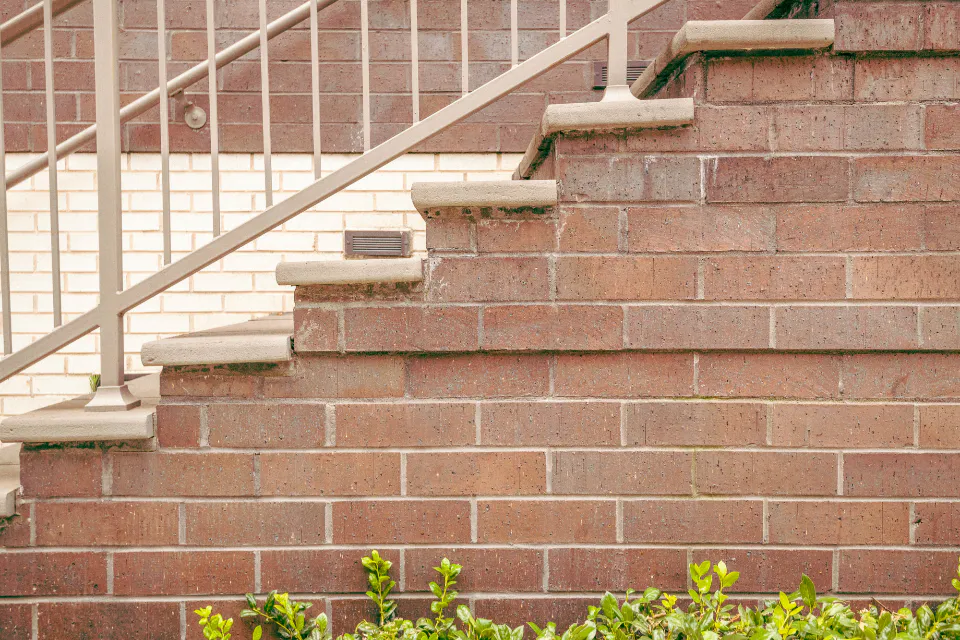
Wobbly rail or a cracked tread on your stoop? Send a photo and your address.
Get a Free Estimate Call NowEstimate
What Affects the Cost of Steps Repair in Park Slope?
The main factors are how many steps are damaged, what material they are made of, whether railings need re-anchoring and whether landmark approval is involved. A single tread repair is small. A full stoop rebuild is larger. We give a written price after a free visit.
Number of steps
A few damaged treads are quicker than a full flight.
Stone or concrete
Brownstone and limestone need matching methods and materials.
Railings
Setting posts properly can mean cutting into the tread.
Landmark review
Approvals add time and can limit material choices.
Schedule
How the Stoop Job Runs
Inspection
We check each step, the joints, the rail posts and the cheek walls.
Written price
Scope, price and warranty terms arrive in writing.
Approvals
If the stoop is in the historic district, the owner checks with the Landmarks Preservation Commission.
Repair
Damaged material comes out, new material goes in and joints are sealed.
Cure and finish
The stoop stays closed until the new work has set.
Nearby
Steps Repair Near Park Slope
We also repair stoops in nearby neighborhoods.
FAQ
Park Slope Steps Questions
Hairline cracks that have not grown are often cosmetic, but they let water in. If a crack is wide, if a tread moves or if the face flakes, get it checked before winter.
Yes. Loose posts are common. We remove the rust, re-anchor the post in the tread and seal around it so water does not get back in.
In the Park Slope Historic District, work that changes materials or appearance can need Landmarks Preservation Commission approval. Confirm with the Commission before starting.
Small repairs can be finished quickly. Larger rebuilds need time to cure. If the stoop meets a public sidewalk and needs a DOT permit, plan on the usual one to two weeks.
We try to match color and texture as closely as the material allows. We can talk through the options at the visit.
Call (718) 468-8803 for a free visit and a written price.
Contact
Request Your Park Slope Stoop Quote
Tell us which steps or rails concern you. A few photos help us plan the visit.
- Call us(718) 468-8803
- HoursMon to Sat, 9:00 AM to 6:00 PM
- Free on site estimate with a written price
- Licensed and insured, 25+ years in business
- We handle DOT sidewalk permits
- Serving Manhattan, Brooklyn, Queens and the Bronx
Get Your Free Estimate
Takes about a minute. No cost and no obligation.