
Hamilton Heights Concrete Contractor
Concrete Replacement in Hamilton Heights, Manhattan
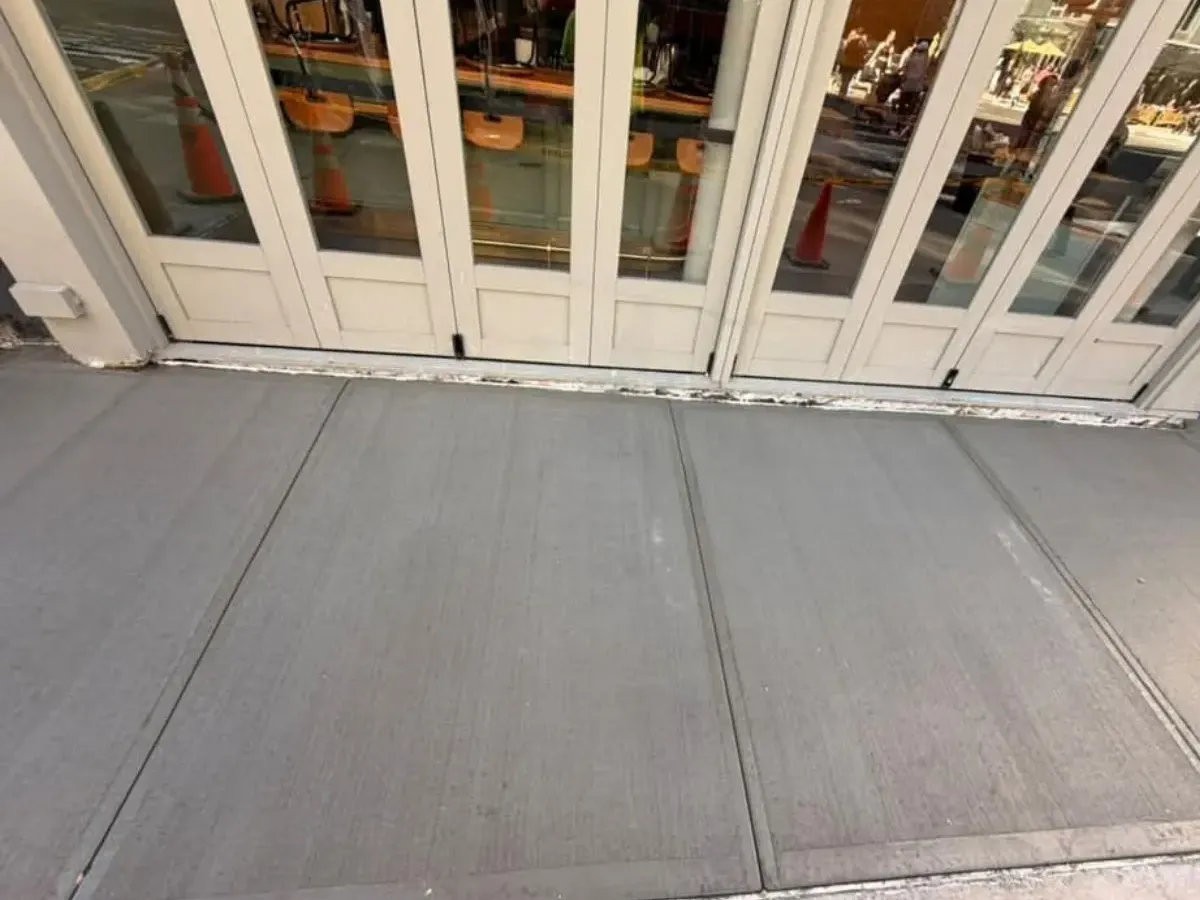
Cracked areaway floors, sunken rear yard slabs and broken walkways replaced on the row house blocks and apartment buildings of Hamilton Heights.
- Old concrete broken out and hauled away
- New slabs poured at the right pitch
- Written price after a free visit
Local Conditions
Where Does Concrete Fail in Hamilton Heights?
Most of the failures we see are in small, tight spaces. Areaways in front of row houses, narrow rear yards and the walkways beside apartment buildings take water, salt and heavy use. When the slab cracks or tilts, water runs toward the foundation instead of away from it.
Brownstone and limestone row houses on Convent Avenue, Hamilton Terrace and the nearby streets usually have an areaway under or beside the stoop. The slab in that space often dates back decades. Hairline cracks open into gaps, and the surface pitches toward the basement door.
Rear yards on these blocks are small, and many drain poorly. A sunken slab holds a pond after every storm. New concrete poured with a clear pitch sends that water to a drain or out to the lot edge.
Larger apartment buildings along Riverside Drive, Broadway and Edgecombe Avenue have courtyards, service walks and entrance paving. Those areas see constant foot traffic and delivery carts, so worn and broken slabs need replacing, not patching.
Is Replacement Better Than Patching Concrete?
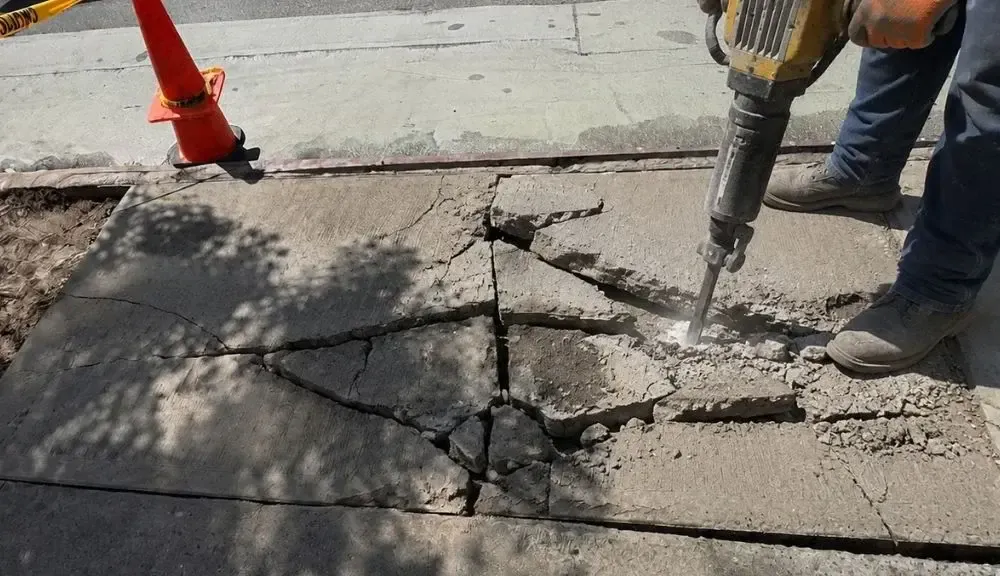
Patching suits a small chip or one shallow crack in an otherwise solid slab. Replacement is the better choice when the slab has sunk, when cracks run across it, or when water pools on it. We look at the base beneath the concrete and tell you which one fits.
Concrete only lasts as long as the ground under it. On sloped Hamilton Heights lots, water can wash fine material out from below a slab and leave a hollow. A patch on top will not fix that, so we remove the slab and rebuild the base first.
What about work near a historic row house?
Parts of the neighborhood fall in the Hamilton Heights Historic District and the Hamilton Heights and Sugar Hill Historic District. Landmarks approval may apply to changes visible from the street, such as areaway paving or stoop surrounds. Check with the city before you start, since landmark rules can change.
Is the concrete on the public sidewalk included?
Work on the public sidewalk generally needs a DOT permit, which we file when needed. Work entirely on your own lot does not need the DOT sidewalk permit, but structural work and retaining walls can need DOB permits, so we check before we start.
Cost Factors
What Drives Concrete Replacement Cost on Hamilton Heights Lots?
Price tracks how much slab you have, how thick it must be, how the crew reaches it and which finish you want. A narrow areaway reached only through a basement or side passage takes more labor than an open yard. We measure the space and give you an itemized written estimate before any work starts.
Size of the area
We measure in square feet and note any steps, curbs or edges that need forms.
Access for the crew
Tight Manhattan lots often mean hand carrying material, which adds labor.
Base and drainage
If the ground below has washed out, we rebuild the base and set the pitch before pouring.
Finish and edges
A broom finish gives grip. Edges next to stoops or walls are shaped to match what is there.
For a brownstone rear yard or an apartment house courtyard, one written price covers removal, base, pour and cleanup.
Get a Free EstimateProcess
How Does a Concrete Replacement Job Run?
The crew breaks out the old slab, hauls it off, prepares the base, forms the edges and pours new concrete. Most jobs finish in one to two weeks, depending on size and weather. Curing time comes after the pour, and we tell you when the surface can take foot traffic.
Site visit
We measure your areaway or yard, look at where water drains and plan the route in from the street.
Written estimate
You receive the scope and materials on paper, which lets you compare bids on equal terms.
Breakout
The cracked slab is broken up and carried out past your stoop and railings with care.
Base and forms
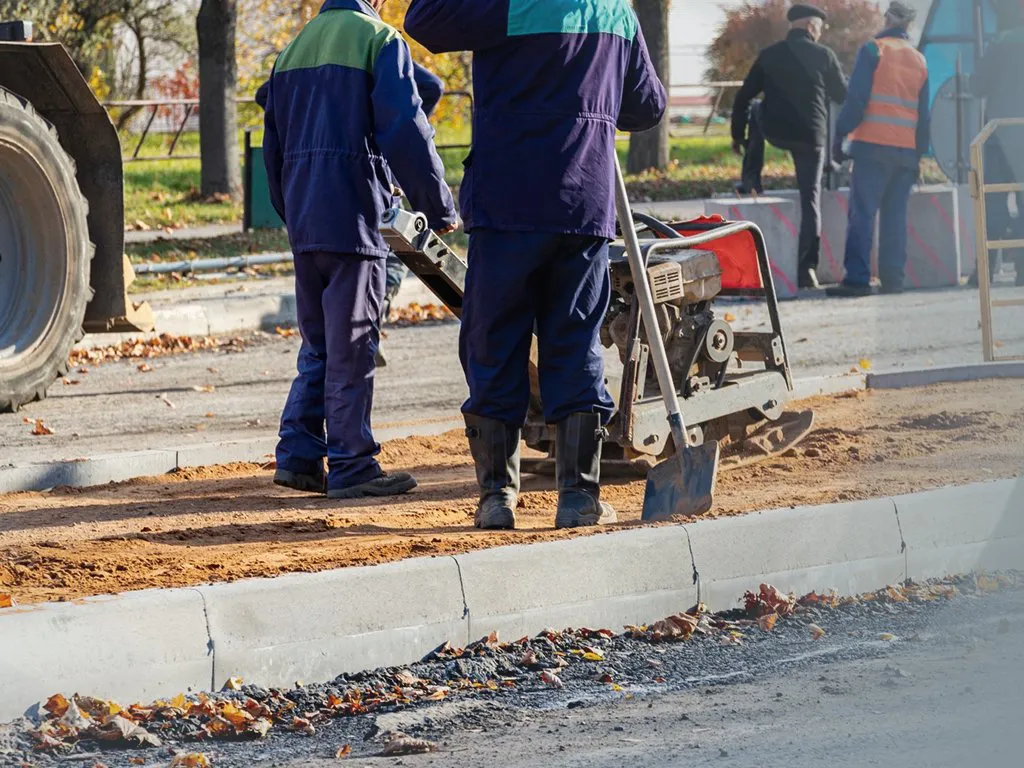
Fresh base goes down and the forms are set with a slope away from the house wall.
Pour and finish
New concrete goes in, gets its finish and is protected while it cures.
Did DOT Cite Your Hamilton Heights Sidewalk Concrete?
When a Hamilton Heights notice names broken flags, new concrete is the usual cure. Once the work is done, an owner can ask DOT to dismiss the violation. Read our guide on sidewalk violation help.
Nearby
Concrete Replacement Near Hamilton Heights
The same crews work in these neighboring areas.
FAQ
Hamilton Heights Concrete Questions
Yes. We remove the old slab, rebuild the base, set the pitch away from the building and pour new concrete. If your block is in a historic district, check on Landmarks approval first.
Look for pooling water, slabs that rock when you step on them, and cracks wide enough to catch a pencil. We will check the base at the visit.
We shape edges and finish to blend with the surfaces around the new work. Color will differ at first and weather closer over time.
Yes. Removal and haul away are part of the estimate.
We do. Call (718) 468-8803 and we will set up a visit.
Contact
Request Your Hamilton Heights Concrete Estimate
Tell us where the damaged concrete is and how large it is. Photos help us price it faster.
- Call us(718) 468-8803
- HoursMon to Sat, 9:00 AM to 6:00 PM
- Free on site estimate with a written price
- Licensed and insured, 25+ years in business
- We handle DOT sidewalk permits
- Serving Manhattan, Brooklyn, Queens and the Bronx
Get Your Free Estimate
Takes about a minute. No cost and no obligation.